Baking Sheets
Best baking sheets compared for real buyers.
69 posts in this topic
Shopping for a baking sheet? Our baking sheets guides compare material, warp resistance, coating, sizes so you can match the right baking sheet to your kitchen and budget without the guesswork.
Yes, but with caution. Aluminum foil can withstand broiler heat, but it may tear, blow around, or react with acidic foods. Secure it tightly and avoid direct contact with heating elements. Use heavy-duty foil for better durability. Never line the oven bottom with foil.
Yes, aluminum foil is generally safe on a baking sheet for most home baking. It withstands oven heat up to about 500°F without melting. Avoid using it with acidic foods like tomatoes or citrus, which can cause foil to leach aluminum. For high-heat broiling, consider parchment or a silicone mat instead. Always place foil shiny side up or down, it doesn't matter for safety.
No, parchment paper is not strictly necessary on a baking sheet, but it solves common problems. It prevents sticking, simplifies cleanup, and promotes even browning. For delicate items like cookies or meringues, it's highly recommended. For roasting vegetables or baking bread, a bare sheet works fine with proper greasing.
Yes, you can put some baking sheets in the dishwasher, but not all. Aluminum sheets often discolor and warp. Steel sheets with a nonstick coating may degrade. Check the manufacturer's label. Hand washing is safer for most baking sheets.
The best baking sheets for cookies are heavy-gauge aluminum or steel with a light finish. They conduct heat evenly and resist warping. Nonstick coatings help with release but can wear. Choose rimmed sheets for versatility and half-sheet size for standard recipes.
Yes, you can use parchment paper on a baking sheet in the oven. It withstands heat up to 425°F typically, though some brands reach 450°F. Place it flat, avoid overhanging, and never use it under the broiler. It prevents sticking and simplifies cleanup.
Yes, aluminum foil is generally safe on baking sheets for most home ovens. It withstands typical baking temperatures without leaching harmful amounts of aluminum. However, avoid using foil with acidic foods or at broiling temperatures. For best results, place foil shiny side down and avoid covering the entire sheet to prevent heat circulation issues.
Yes, many baking sheets can go in the dishwasher, but it depends on the material. Aluminum and stainless steel sheets are generally dishwasher safe, while nonstick and carbon steel sheets should be hand washed. The dishwasher's heat and detergents can damage coatings and cause warping. Check the manufacturer's instructions before loading your sheet pan.
Non toxic baking sheets are typically made of stainless steel, ceramic, or pure silicone. Avoid sheets with nonstick coatings that may contain PFAS. Look for uncoated stainless steel or explicitly PFAS-free ceramic. Check labels for certifications like FDA compliance. Choose based on your cooking needs and budget.
Yes, most baking sheets are safe at 500°F, but it depends on the material. Aluminum and stainless steel sheets handle high heat well. Nonstick and glass sheets may not. Always check the manufacturer's rating before use.
Season a bare steel or aluminum baking sheet by coating it with a thin layer of high-smoke-point oil, then heating it in the oven. This polymerizes the oil into a nonstick patina. Avoid seasoning nonstick or silicone-coated sheets. Repeat after heavy use or rust spots appear.
Yes, aluminum foil is generally safe on baking sheets at high heat. It withstands temperatures up to 650°F, far above typical home ovens. However, avoid using foil with acidic foods or in microwave ovens. For best results, use heavy-duty foil and avoid crumpling.
Aluminum baking sheets heat faster and more evenly, making them ideal for cookies and pastries. Stainless steel is more durable and resists warping, but it conducts heat less efficiently. For most home bakers, aluminum offers better browning, while stainless steel suits heavy-duty roasting. Choose based on your primary baking needs.
Yes, aluminum foil is generally safe on baking sheets for most home baking. It withstands oven heat up to 450°F without issue. Avoid using it with acidic foods like tomatoes or citrus, which can react and leach aluminum. For high-heat roasting or broiling, parchment paper may be safer. Always check your oven's manual for specific guidance.
Scratched nonstick baking sheets can release particles into food, but most modern coatings are considered safe if not flaking. However, scratches expose the base metal, which may react with acidic foods. For peace of mind, replace heavily scratched sheets, especially if the coating peels.
Yes, you can put a baking sheet in the oven at 500 degrees, provided it is made of heavy-gauge aluminum, stainless steel, or carbon steel. Avoid nonstick sheets with PTFE coatings, as they may release fumes above 500°F. Check the manufacturer's rating, as some sheets are only rated to 450°F. Always use oven mitts, as the sheet will be extremely hot.
Rust on a baking sheet is not safe to use. It can flake into food and cause a metallic taste. The rust is iron oxide, which is not toxic in small amounts, but it signals damaged coating. Throw it away or strip and reseason it if it's bare steel.
Aluminum heats faster and more evenly, making it ideal for cookies and pastries. Steel is heavier, more durable, and resistant to warping at high heat. Choose aluminum for everyday baking; choose steel for heavy-duty use and broiling.
Yes, you can use parchment paper on a baking sheet in the oven. It withstands heat up to 425°F typically, though some brands reach 450°F. Place it flat on the sheet, and avoid broiling. It prevents sticking and simplifies cleanup.
The best baking sheet for cookies is a heavy-gauge aluminum half-sheet pan with a light or medium finish. It heats evenly, browns cookies consistently, and resists warping. Nordic Ware's Natural Aluminum Baker's Half Sheet is a top choice. Avoid dark nonstick sheets for even browning.
Yes, using a rusty baking sheet is generally safe for occasional use, but rust can flake into food and harbor bacteria. The main risk is not toxicity but contamination and uneven heating. Remove loose rust, wash thoroughly, and line the pan. If rust is deep or pitted, replace the sheet.
The best baking sheet for roasting vegetables is a heavy-gauge aluminum half-sheet pan with a wire rack. It promotes even browning and air circulation. Avoid flimsy sheets that warp. Nonstick is convenient but can scratch. Choose one that fits your oven comfortably.
For even browning, choose a heavy-gauge aluminum or aluminized steel sheet with a light finish. These materials conduct heat quickly and evenly, preventing hot spots. Dark or nonstick sheets brown faster and can burn edges. Insulated sheets are gentler but slower. We compared specs and owner reviews to find the best options.
A baking sheet has raised edges on all four sides, while a cookie sheet typically has one or two open sides for easy sliding. The rim prevents drips and makes baking sheets versatile for roasting. Cookie sheets promote even browning and are ideal for cookies. Choose based on your task.
Yes, parchment paper is safe and recommended for baking sheets. It prevents sticking, eases cleanup, and withstands oven heat up to 425°F. Use it for cookies, roasted vegetables, and more. Avoid broiling or temperatures above 450°F. Always check the package for specific limits.
For most home bakers, a heavy-gauge aluminum half-sheet pan with a light finish is the best choice. It heats evenly, resists warping, and produces consistent golden cookies. Avoid dark nonstick sheets, as they brown bottoms too quickly. If you bake frequently, consider a steel pan for durability.
Seasoning a baking sheet creates a natural non-stick coating and prevents rust. Start by washing it with soap and water. Then, apply a thin layer of high-smoke-point oil, like vegetable or grapeseed. Heat the sheet in the oven at 400°F for an hour. Let it cool completely before storing.
Learn how to season bare aluminum or steel baking sheets for a natural nonstick surface. Step-by-step guide, best oils, maintenance tips, and rust prevention.
A complete guide to choosing the best baking sheet for your kitchen. Learn about aluminum, steel, nonstick, and insulated sheets, plus rimmed vs rimless, standard sizes, and key features like silicone coating. Get tips for cookies, roasting, and more.
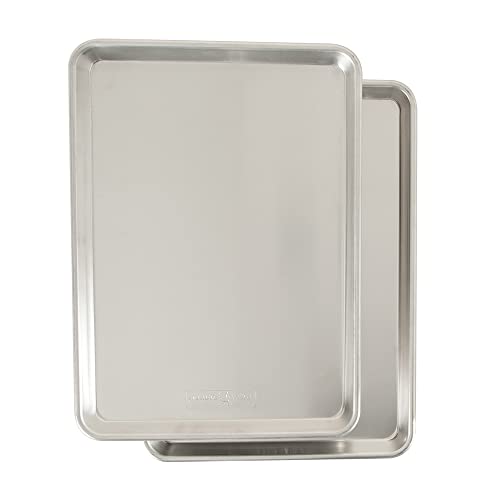
The Nordic Ware half sheet pan is a kitchen workhorse. Its pure aluminum construction delivers even heat, resists rust, and produces perfectly browned cookies and roasted vegetables. We compare it to other aluminum sheets to see if it's worth the hype.

The USA Pan sheet pan features a unique corrugated surface and silicone coating for effortless release and even baking. Our editorial team compared specifications, buyer feedback and key decision factors to bring you this honest review.
A scratched nonstick baking sheet is generally safe for most home baking, but the coating may release small particles into food. Avoid using it if the scratches are deep or expose the metal underneath. Replace it if you see flaking or peeling.
Your baked goods may not brown because the baking sheet is too light or too thin, or the oven temperature is too low. Use a heavy, light-colored sheet for even browning, and check your oven with an thermometer. Preheat fully and position the rack in the center.
Soak the sheet in hot water with dish soap and baking soda for 30 minutes, then scrub with a non-abrasive pad. For stubborn burnt spots, make a paste of baking soda and water, apply it, and let it sit overnight. Rinse and dry thoroughly.
Your cookies bake unevenly because the baking sheet heats unevenly. Thin sheets warp and create hot spots. Dark sheets over-brown bottoms. Crowded sheets block heat. Use a heavy-gauge aluminum sheet, line with parchment, and rotate halfway through baking.
Mix baking soda and hydrogen peroxide into a thick paste. Spread it over the baking sheet and let it sit for 30 minutes. Scrub with a non-abrasive sponge, then rinse. For stubborn spots, add a second application. This lifts burnt-on grease without harsh chemicals.
To fix a baking sheet with burnt-on grease, sprinkle it with baking soda, add hydrogen peroxide to form a paste, let it sit for 30 minutes, then scrub with a non-abrasive pad. For stubborn spots, heat a mixture of vinegar and water on the stove, then repeat the paste treatment.
Your cookies likely aren't spreading because the dough is too cold, the butter was over-creamed, or the leavener is expired. Let the dough warm slightly, check your baking soda or powder, and ensure your sheet is properly greased. Also, avoid chilling the dough too long before baking.
Sprinkle baking soda over the sheet, spray with vinegar, and let it fizz. Scrub with a non-abrasive sponge, then rinse. For stubborn spots, make a paste and soak overnight. This lifts grease without harsh chemicals.
The quickest fix is to grease the sheet with butter or oil, then dust it lightly with flour. This creates a nonstick barrier. For sticky batters, use a silicone baking mat. They are reusable and require no greasing. Always cool the sheet before washing to avoid warping.
Scrub off loose rust with steel wool or a scouring pad. Wash with soap and water, then dry completely. Apply a thin coat of vegetable oil and bake at 350°F for an hour. Repeat if needed. If rust pits the surface deeply, replace the sheet.
Sprinkle a thick layer of baking soda over the burnt areas, add a little water to form a paste, and let it sit for 15 minutes. Then scrub with a non-abrasive sponge or brush. For stubborn spots, add vinegar and watch it fizz. Rinse and dry.
Chilled dough, too much flour, or a nonstick sheet with too little fat are the usual culprits. Let the dough warm slightly, check your flour measurement, and use a light-colored aluminum sheet. If they still don't spread, your baking soda or powder may be old.
The quickest fix is to wash the sheet with hot soapy water and a scrub brush, then dry it completely. Smoke usually comes from leftover grease or food particles. If it still smokes, check for polymerized oil or use parchment paper. Also, lower the oven temperature and avoid broiling.
Rust on baking sheets comes from exposed iron reacting with moisture and air. Strip the rust with vinegar or lemon juice, scrub, rinse, dry completely, then season with a thin oil layer. Prevent recurrence by drying immediately after washing and storing in a dry place.
Sprinkle baking soda over the sheet, add a little water to make a paste, and scrub with a non-abrasive sponge. For stubborn spots, soak in hot water and vinegar first. Avoid steel wool and harsh chemicals. Rinse and dry thoroughly.
Sprinkle baking soda over the burnt areas, then add hydrogen peroxide to form a paste. Let it sit for 30 minutes, scrub with a non-scratch pad, and rinse. For stubborn spots, repeat or use a commercial oven cleaner.
To fix a warped baking sheet, place it upside down on a flat surface, cover with a damp cloth, and press down with a heavy skillet. Heat gently in an oven at 200°F for 5 minutes, then cool. This often restores flatness, but severe warping may require replacement.
Grease the sheet with butter or oil, then dust with flour. Use a silicone mat if you have one. Cool cookies for 5 minutes before lifting. Wash sheets with hot, soapy water to remove residue. Avoid over-browning, which increases sticking.
First, sprinkle the burnt sheet with baking soda and pour white vinegar over it. Let it fizz for 10 minutes. Scrub with a non-abrasive pad. For stubborn spots, make a paste of baking soda and water, apply, and let sit overnight. Rinse and dry thoroughly.
Use parchment paper or a silicone baking mat for a nonstick surface. Also, let cookies cool for a few minutes before removing. For metal pans, ensure they are clean and lightly greased. These steps solve most sticking issues.
Fill the sheet with hot water and add a few tablespoons of baking soda. Let it soak for 15 minutes, then scrub with a non-abrasive pad. For stubborn spots, make a paste of baking soda and hydrogen peroxide. Rinse and dry thoroughly.
Warped baking sheets are usually caused by sudden temperature changes. To fix a mild warp, gently bend the sheet back while it is cool. For stubborn warps, heat the sheet in a warm oven, then press it flat with a heavy object. If the sheet is severely warped, replace it.
Your baking sheets stick because of worn nonstick coating, baked-on grease, or insufficient fat. Wash with hot soapy water and baking soda, then re-season bare metal pans. Always grease or line with parchment. Replace sheets when coating flakes or rust appears.
Dry baking sheets immediately after washing, store them in a dry place, and season them with a light coat of oil. For existing rust, scrub with baking soda or vinegar, rinse, dry, and re-season. Avoid dishwasher use and acidic foods to prevent future rust.
Soak the sheet in hot water with dish soap and baking soda for 15 minutes. Then scrub with a paste of baking soda and water. For tough spots, add hydrogen peroxide or use a plastic scraper. Rinse and dry thoroughly.
Thin sheets warp because rapid temperature changes cause uneven metal expansion. Switch to heavy-gauge aluminum or steel sheets with reinforced rims. Preheat empty, avoid cold water on hot pans, and hand wash to keep them flat.
Make a paste of three parts baking soda and one part water. Spread it over the sheet and let it sit for 15 minutes. Scrub with a non-abrasive sponge. Rinse with warm water. For tough spots, add a little vinegar or soak overnight.
Sprinkle the burnt pan with baking soda, add a little water to make a paste, and let it sit for 15 minutes. Scrub with a non-abrasive pad or ball of foil. For stubborn spots, add vinegar and watch it fizz. Rinse and dry.
Fill the sheet with hot water and add a few tablespoons of baking soda. Let it soak for 15 minutes, then scrub with a non-abrasive pad. For stubborn spots, make a paste of baking soda and water, apply, and let sit before scrubbing.
Your cookies likely aren't spreading because the dough is too cold, the butter was over-creamed, or the leavener is expired. Warm the dough to room temperature, use melted butter, and check your baking soda or powder. Also, ensure the sheet is properly greased or lined.
Uneven spreading usually comes from inconsistent dough temperature or a warped pan. Chill the dough, use a heavy aluminum sheet, and rotate the pan halfway. Also, test your oven's hot spots with an oven thermometer.
A sticky baking sheet usually has baked-on grease or polymerized oil. Remove it with a paste of baking soda and hydrogen peroxide, or use a commercial oven cleaner. Scrub gently, rinse well, and dry. Prevent stickiness by avoiding high heat and washing with mild soap.
Warping happens when a cold pan hits high heat, causing uneven expansion. Use heavy-gauge aluminum or steel sheets, preheat the oven before placing the pan inside, and avoid drastic temperature changes. If warped, gently bend it back while warm, or replace it if too distorted.
Rust forms when the protective coating wears off and moisture hits bare steel. Strip the rust with vinegar or a commercial rust remover, then season the sheet with oil and heat. Prevent future rust by drying immediately and storing in a dry place. Replace if pitting is deep.
Burnt-on residue doesn't have to ruin your baking sheets. Use baking soda paste, hydrogen peroxide, or the dishwasher method to restore them without harsh abrasives. Tips for nonstick, aluminum, and steel.
Warped baking sheets ruin cookies and cause uneven browning. Learn why they warp (thin gauge, thermal shock) and how to prevent it with thicker sheets, proper handling, and storage. Plus, brands that resist warping.