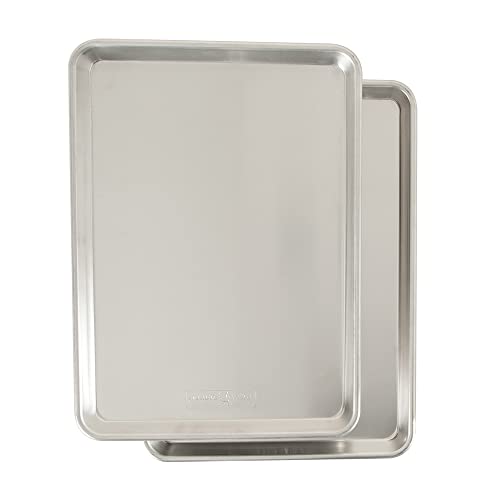
Use heavy-duty foil and secure it tightly to the baking sheet.
- Never let foil touch the heating element or oven floor.
- Avoid foil with acidic foods to prevent metallic taste and leaching.
- Consider a bare baking sheet or cast iron for broiling without foil.
What Happens to Aluminum Foil Under the Broiler?
Aluminum foil has a melting point around 1,220°F, far above typical broiler temperatures of 500 to 550°F. So it won't melt under normal broiling. However, it can become brittle and tear easily when exposed to high heat. If the foil is loose, the broiler's fan or convection can blow it onto the heating element. That can cause a fire hazard. Also, foil can reflect heat, potentially altering cooking times and browning.
Which Type of Foil Is Best for Broiling?
Standard foil is thin and prone to tearing under high heat. Heavy-duty foil is thicker and more resistant to punctures and tears. For broiling, choose heavy-duty foil for better protection. According to the manufacturer, Reynolds Wrap Heavy Duty is safe for broiler use. Regular foil can work if you double it, but it's riskier. Always check the packaging for broiler safety instructions.
How to Use Foil on a Baking Sheet Under the Broiler Safely
First, ensure the foil is smooth and tightly pressed onto the baking sheet. Avoid wrinkles, which can trap grease and cause flare-ups. Leave a small overhang to catch drips, but don't let it touch the oven racks or walls. Secure the edges by folding them over the pan's rim. Never place foil directly on the oven floor, as it can block airflow and damage the heating element. Use a baking sheet with a rim to contain any grease.
When Should You Avoid Using Foil Under the Broiler?
Avoid foil when broiling acidic foods like tomatoes, citrus, or vinegar-based marinades. Acid can react with aluminum, causing it to leach into food and create a metallic taste. Also, avoid foil if your broiler has a very high heat setting that exceeds 600°F, as some ovens have a 'broil high' that can reach higher temperatures. Check your oven's manual for exact temperatures. If you're broiling with sugar or honey, the caramelization can stick to foil and burn.
What Are the Best Alternatives to Foil for Broiling?
A silicone baking mat is a safe, reusable alternative, but check its temperature rating. Most silicone mats handle up to 480°F, which may be too low for broiling. Parchment paper is not safe for broiler use, as it can ignite above 420°F. A bare baking sheet is the simplest option, especially if it's heavy-duty and well-seasoned. For easy cleanup, coat the pan lightly with oil or use a non-stick spray. Cast iron skillets are also excellent for broiling, as they handle high heat without warping.