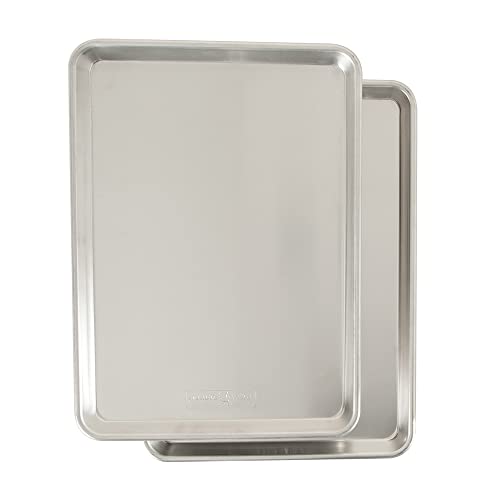
Scratched nonstick baking sheets are safe for most baking, but deep scratches or flaking mean it's time to replace.
- Use parchment paper or silicone liners to protect the coating and avoid metal utensils.
- Hand wash with soft sponges and store sheets with protective layers to prevent scratches.
Why does nonstick coating scratch?
Nonstick coatings are thin layers of polytetrafluoroethylene (PTFE) or ceramic. PTFE is the same material used in many nonstick pans. Scratches happen when metal utensils, abrasive scrubbers, or stacked pans rub against the surface. Even sharp-edged foods like bones or hard cookies can leave marks. Overheating can also weaken the coating, making it more prone to damage. Most scratches are cosmetic, not a safety hazard.
Is scratched nonstick coating toxic?
PTFE is inert and stable at normal baking temperatures, which are usually below 500°F. According to the American Cancer Society, ingesting small flakes of PTFE is not known to cause cancer. The concern arises if the coating is overheated above 500°F, which can release fumes that may cause flu-like symptoms in humans. Ceramic coatings are made from inorganic minerals and are generally considered safe even when scratched. The FDA has approved PTFE for food contact, and no studies link scratched nonstick to health issues.
How to fix a scratched nonstick baking sheet
First, wash the sheet with warm, soapy water and a soft sponge to remove any loose particles. If the scratches are shallow, you can continue using it, but avoid metal utensils. For deeper scratches that expose bare metal, consider using parchment paper or a silicone liner as a barrier. Do not attempt to recoat the surface with sprays or DIY solutions; they are not food-safe and may not adhere properly. If the coating is flaking or peeling, it is time to replace the sheet.
How to prevent scratches on nonstick bakeware
Always use wooden, silicone, or plastic utensils when handling food on the sheet. Avoid stacking baking sheets directly on top of each other; place a paper towel or cloth between them. Wash by hand with a non-abrasive sponge and mild detergent, not in the dishwasher. Store the sheets in a cabinet where they won't rub against other pans. Never cut food directly on the baking sheet; transfer to a cutting board first.
When should you replace a scratched baking sheet?
Replace the sheet if you see visible flaking, peeling, or if the metal underneath is exposed. Also replace it if the coating appears cloudy or sticky, which indicates breakdown. If you are unsure, check the manufacturer's warranty; many offer replacements for defective coatings. For heavy daily use, consider upgrading to a heavy-gauge aluminum sheet without nonstick, which lasts longer. If you are concerned about potential health effects, switching to uncoated stainless steel or stoneware is a safe alternative.