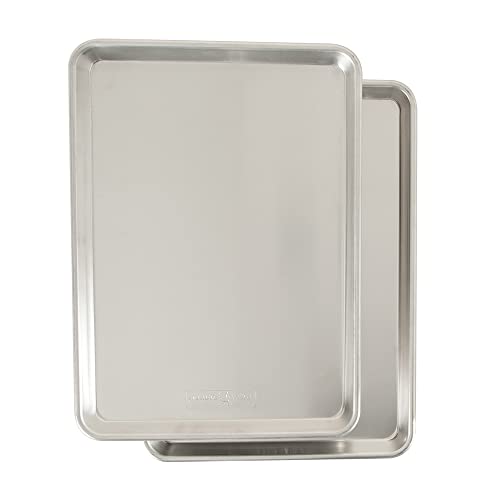
Rust forms when the protective coating wears off and moisture hits bare metal.
- Scrub rust with steel wool, wash, dry, and season with oil to restore the sheet.
- Prevent rust by hand-washing, drying immediately, and using parchment paper.
- Replace the sheet if rust has pitted deeply or flakes into food.
Why do baking sheets rust?
Baking sheets rust when the protective coating wears off. Moisture and air then react with the exposed iron. Acidic foods like tomatoes speed up the process. Scratches from metal utensils expose the metal underneath. Leaving sheets wet in the sink is a common cause. Dishwasher detergent is harsh and strips seasoning. High heat can also break down the coating over time.
How to remove rust from a baking sheet
Start by scrubbing the rusted area with steel wool or a stiff scouring pad. Use warm, soapy water to lift the rust particles. Rinse thoroughly and dry completely with a towel. For stubborn rust, make a paste of baking soda and water. Apply the paste and let it sit for 15 minutes before scrubbing. After removing rust, wash the sheet again and dry it fully. Then season the sheet to protect it from future rust.
How to season a baking sheet after rust removal
Preheat your oven to 350°F. Apply a thin layer of vegetable oil or flaxseed oil to the entire sheet. Use a paper towel to wipe off excess oil, leaving a barely-there film. Place the sheet upside down on the oven rack. Put a foil-lined tray on the rack below to catch drips. Bake for one hour, then turn off the oven and let the sheet cool inside. Repeat this process two or three times for a durable finish.
How to prevent baking sheets from rusting
Dry baking sheets immediately after washing. Never put them in the dishwasher, as the detergent and moisture cause rust. Store sheets in a dry place, not stacked while damp. Use parchment paper or silicone mats to protect the surface. Avoid cutting directly on the sheet with knives. Handle acidic foods with care; use a liner. Re-season your sheets every few months to maintain the protective layer.
When to replace a rusted baking sheet
Replace the sheet if rust has created deep pits or holes. Pitted surfaces can harbor bacteria and are hard to clean. If rust flakes off into food, it's time for a new one. Sheets that have lost their shape or warped badly should also go. Rust on the underside is less critical but still a sign of wear. If you see rust after multiple cleanings, replacement is safer. A new sheet costs less than a trip to the doctor.