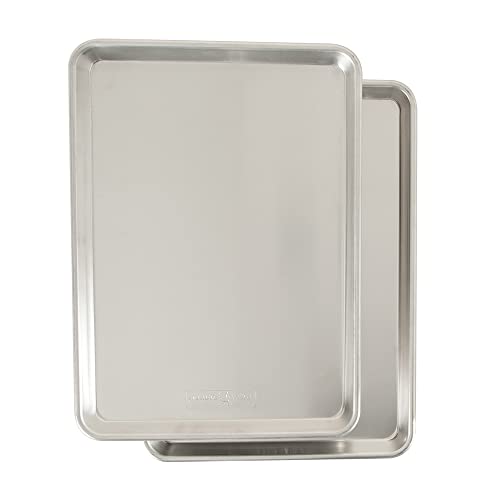
Choosing the right baking sheet can make a big difference in your baking and roasting results. With so many options on the market, it helps to understand the key factors: material, size, shape, and special features. Our editorial team compared specifications, buyer feedback, and key decision factors to bring you this comprehensive guide. Whether you are baking cookies, roasting vegetables, or making sheet pan dinners, this guide will help you find the perfect baking sheet for your kitchen.
Material Matters: Aluminum, Steel, Nonstick, and Insulated
The material of a baking sheet affects heat conduction, durability, and ease of cleaning. Here is a breakdown of the most common types.
Aluminum Baking Sheets
Aluminum is a popular choice because it heats up quickly and distributes heat evenly. It is lightweight and affordable. However, thin aluminum sheets can warp under high heat. Look for heavy-gauge aluminum (at least 18 gauge) for better stability. Aluminum is reactive with acidic foods like tomatoes, which can cause discoloration, but this is usually harmless. Many aluminum sheets have a nonstick coating or are anodized for extra durability.
Steel Baking Sheets
Steel (often carbon steel) is heavier and more durable than aluminum. It resists warping even at high temperatures and provides excellent heat retention. Steel sheets often have a dark finish that absorbs heat well, promoting browning. They can be more expensive and heavier to handle. Some steel sheets come with a nonstick coating or are enameled.
Nonstick Baking Sheets
Nonstick sheets have a coating (often PTFE or ceramic) that prevents food from sticking. They are easy to clean and great for delicate items like cookies or fish. However, the coating can scratch or wear over time, especially if you use metal utensils. Avoid using nonstick sheets at very high temperatures (above 450 degrees Fahrenheit) as the coating may degrade. Ceramic nonstick coatings are generally more heat-resistant and eco-friendly.
Insulated Baking Sheets
Insulated sheets have an air gap between two layers of metal. This design prevents the bottom of baked goods from over-browning or burning. They are excellent for cookies, biscuits, and pastries that need a gentle, even heat. The downside is that they may not brown the bottom as well as standard sheets, so they are less ideal for roasting vegetables or meats where you want caramelization.
Size and Shape: Quarter, Half, Full, and Rimmed vs Rimless
Baking sheets come in standard sizes that fit most ovens. The shape (rimmed or rimless) also matters for different tasks.
Standard Sizes
The most common sizes are quarter sheet (9 x 13 inches), half sheet (18 x 13 inches), and full sheet (26 x 18 inches). Half sheets are the most versatile for home ovens. Quarter sheets are perfect for small batches, toaster ovens, or as a drip tray. Full sheets are typically used in commercial kitchens and may not fit standard home ovens. Always measure your oven before buying a larger sheet.
Rimmed vs Rimless
Rimmed baking sheets have a raised edge (usually about 1 inch) that contains juices, prevents foods from sliding off, and makes it easy to toss vegetables. They are ideal for roasting, baking cookies, and sheet pan meals. Rimless sheets (often called cookie sheets) have no raised edge or only a very small lip. They allow you to slide cookies off easily and are great for tasks like baking bread where you need to slide the loaf onto a hot stone. Many home bakers keep both types on hand.
Key Features: Silicone Coating, Handles, and More
Beyond material and size, several features can make a baking sheet more convenient or effective.
Silicone Coating
Some baking sheets come with a silicone coating that provides a nonstick surface without the concerns of traditional nonstick coatings. Silicone is heat-resistant up to about 500 degrees Fahrenheit and is safe for use with metal utensils. However, silicone-coated sheets may not brown as well as uncoated metal sheets. They are also easy to clean and often dishwasher safe.
Handles
Some baking sheets have small handles or tabs on the sides for easier gripping, especially when wearing oven mitts. Handles can be a simple extension of the rim or separate pieces attached to the sheet. They make it safer to lift and move hot pans.
Gauge (Thickness)
The gauge of a baking sheet indicates its thickness. Lower gauge numbers mean thicker metal. For example, 18-gauge is thicker than 22-gauge. Thicker sheets are less likely to warp and provide more even heat distribution. Look for sheets with a gauge between 14 and 18 for best performance.
Dark vs Light Finish
Dark-colored baking sheets absorb more heat and promote browning. They are great for crispy crusts on bread or roasted vegetables. Light-colored sheets reflect heat and produce lighter browning, which is ideal for delicate pastries and cookies that you want to stay pale on the bottom.
Tips for Different Uses: Cookies, Roasting, and Baking
Here are some practical tips for choosing and using baking sheets based on what you cook most often.
For Cookies
Use a heavy-gauge aluminum or steel sheet for even baking. A rimless sheet makes it easy to slide cookies off. If you prefer softer cookies, an insulated sheet can prevent the bottoms from over-browning. For crispy cookies, a dark, uncoated sheet works best. Always let the sheet cool between batches to avoid spreading.
For Roasting Vegetables and Meats
Choose a rimmed half-sheet pan to contain juices. A heavy-gauge steel or aluminum sheet provides good heat retention. For caramelization, a dark finish helps. Avoid nonstick sheets if you plan to use high heat or acidic marinades. Line with parchment paper or foil for easy cleanup.
For Baking Bread and Pastries
For bread, a rimless sheet allows you to slide the loaf onto a preheated baking stone. For pastries like croissants, a light-colored sheet prevents over-browning. Insulated sheets work well for delicate pastries that need gentle heat. For pizza, a dark, heavy sheet or a perforated pan helps achieve a crispy crust.
For Sheet Pan Dinners
A rimmed half-sheet pan is ideal. Use a heavy-gauge material to avoid warping under high heat. Arrange ingredients in a single layer for even cooking. If using a nonstick sheet, keep the temperature below 450 degrees Fahrenheit. For easy cleanup, line with foil or parchment.
In summary, the best baking sheet for you depends on your cooking habits. A good starting point is a heavy-gauge aluminum half-sheet pan with a rim. Add a rimless cookie sheet and an insulated sheet for more versatility. Check the current price on Amazon for top-rated options.