Cold dough is the top reason cookies don't spread; warm it before baking.
- Check leavener freshness and measure flour correctly to avoid stiff dough.
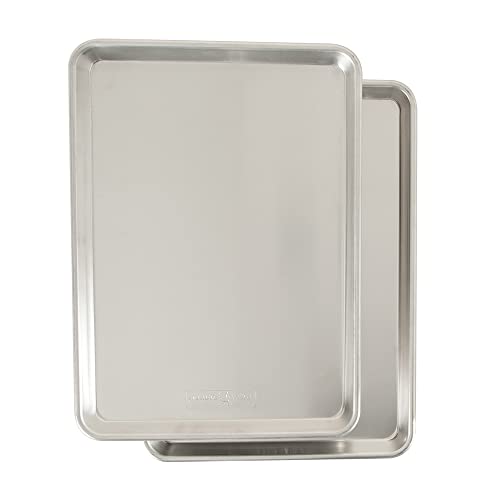
- Use light-colored baking sheets and an oven thermometer for even heat.
- If problems persist, replace old sheets or have the oven calibrated.
What causes cookies to not spread on a baking sheet?
Several factors stop cookies from spreading. The most common is dough that's too cold. Chilled dough spreads less than room-temperature dough. Over-creaming butter traps too much air, causing cookies to puff up instead of flatten. Expired baking soda or powder loses its leavening power. Too much flour absorbs moisture, making the dough stiff. Old or dull baking sheets may not conduct heat evenly. Finally, greasing the sheet too much can make cookies slide and spread, but too little can cause sticking.
How do I fix cookies that won't spread?
Start by letting the dough sit at room temperature for 15 to 20 minutes. If that doesn't help, try flattening the dough balls slightly before baking. Switch to melted butter instead of creamed butter for a flatter cookie. Check your leavener: baking soda should be replaced every 3 to 6 months, baking powder every 6 to 12 months. Reduce the flour by a tablespoon or two if the dough feels stiff. Use a light-colored, shiny baking sheet for even heat. Finally, bake one test cookie to see if adjustments work.
How can I prevent cookies from not spreading in the future?
Measure flour correctly by spooning it into the cup and leveling off. Use room-temperature ingredients unless the recipe says otherwise. Cream butter and sugar just until combined, not until fluffy. Chill the dough for the recommended time, but let it warm up slightly before baking. Always preheat the oven fully and use an oven thermometer to verify temperature. Rotate the baking sheet halfway through baking. Use parchment paper or a silicone mat for consistent results.
When should I replace my baking sheet or call a pro?
If your baking sheet is warped, discolored, or has rust, replace it. Warped sheets cause uneven heat and can lead to poor spreading. Dark, non-stick sheets can over-brown the bottom, making cookies set too quickly. If you've tried all fixes and cookies still don't spread, consider a professional oven calibration. A pro can check if the oven temperature is accurate. But first, test with an oven thermometer; it's a cheap fix.