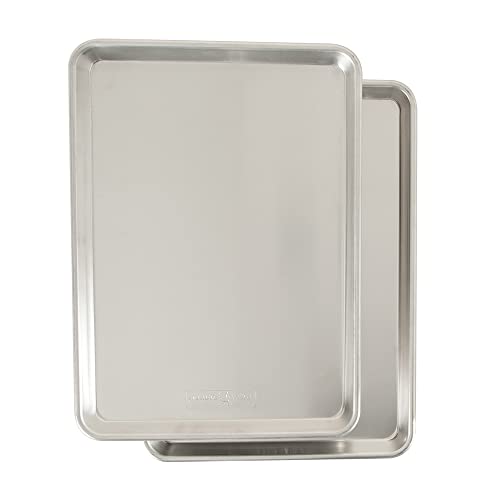
Seasoning a baking sheet creates a natural non-stick coating and prevents rust. Start by washing it with soap and water. Then, apply a thin layer of high-smoke-point oil, like vegetable or grapeseed. Heat the sheet in the oven at 400°F for an hour. Let it cool completely before storing.
- Seasoning a baking sheet creates a non-stick surface and prevents rust.
- Use a high-smoke-point oil, apply thinly, and bake at 400°F for one hour.
- Avoid soap and abrasives to maintain the seasoning; re-season as needed.
Why Season a Baking Sheet?
Seasoning fills microscopic pores in the metal with polymerized oil. This creates a smooth, non-stick surface that releases food easily. It also protects against moisture, which causes rust on bare steel and aluminum. A seasoned sheet can last for decades with proper care. Over time, the coating darkens and improves with use.
Which Baking Sheets Need Seasoning?
Bare carbon steel and uncoated aluminum sheets benefit from seasoning. Non-stick coated sheets, like those with PTFE or ceramic, do not need seasoning. Stainless steel sheets do not require seasoning but can be seasoned for easier release. Check the product description to identify the material. If the sheet is labeled 'pre-seasoned,' you can skip this step.
Step-by-Step: How to Season a Baking Sheet
First, wash the sheet with hot, soapy water to remove any manufacturing residues. Dry it thoroughly with a lint-free cloth. Next, apply a very thin layer of oil, such as canola, vegetable, or grapeseed. Use a paper towel to rub the oil over the entire surface, including the rim and underside. Wipe away any excess oil; the sheet should look almost dry. Place the sheet upside down on the middle oven rack. Put a larger pan or foil on the rack below to catch drips. Heat the oven to 400°F (204°C) and bake for one hour. After an hour, turn off the oven and let the sheet cool completely inside. Once cool, the sheet is ready to use.
How to Maintain a Seasoned Baking Sheet
Avoid using harsh detergents or abrasive scrubbers, as they strip the seasoning. Instead, rinse with hot water and use a soft sponge or brush. For stuck-on food, make a paste of baking soda and water and gently scrub. Dry the sheet immediately after washing to prevent rust. Store it in a dry place. If rust appears, scrub it off, then re-season the sheet.
Common Mistakes to Avoid When Seasoning
Using too much oil leaves a sticky, tacky surface. Always wipe off excess oil before heating. Heating at too high a temperature can burn the oil, creating a brittle coating. Stick to 400°F for most oils. Seasoning a sheet with a non-stick coating can damage it. Also, avoid seasoning a sheet that has rusted through; it may be beyond repair. If the sheet warps in the oven, it may have been heated empty too quickly.