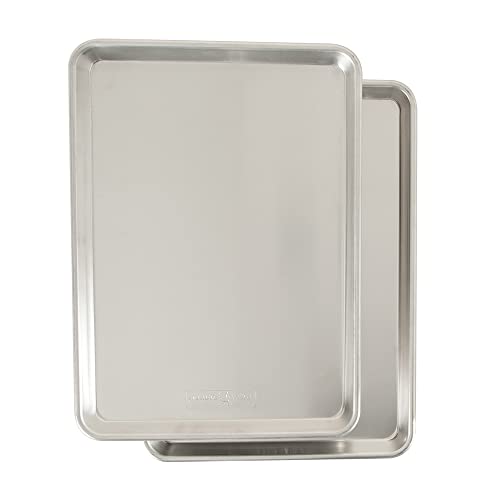
Uneven spreading usually comes from inconsistent dough temperature or a warped pan. Chill the dough, use a heavy aluminum sheet, and rotate the pan halfway. Also, test your oven's hot spots with an oven thermometer.
- Chill dough for at least 30 minutes to control spread.
- Use a heavy aluminum sheet and line it with parchment.
- Rotate the pan halfway and check oven temperature with a thermometer.
- Replace warped or thin baking sheets to avoid hot spots.
Why do cookies spread unevenly?
Uneven spreading often traces back to dough that's not uniform in temperature. If some dough is warmer, it melts faster and spreads more. A warped baking sheet creates hot spots, causing uneven browning and spreading. Also, the type of fat matters; butter spreads more than shortening. Overmixing develops gluten, which can make cookies puff instead of spread. Finally, an oven that runs hot or has hot spots will bake unevenly.
How to fix uneven cookie spreading
First, chill the dough for at least 30 minutes before baking. This solidifies the fat, slowing spread. Second, use a heavy-gauge aluminum sheet; it heats evenly. Third, line the sheet with parchment paper or a silicone mat to reduce sticking and promote even heat. Fourth, rotate the pan halfway through baking to compensate for oven hot spots. Fifth, check your oven's actual temperature with an oven thermometer; adjust the dial accordingly.
How to prevent uneven spreading in future batches
Always measure flour correctly using the spoon-and-level method; too little flour causes excess spread. Use room-temperature butter for creaming, but then chill the dough after mixing. Space cookies at least two inches apart to allow for spread. Bake one sheet at a time in the center rack. Keep a log of your oven's quirks, like which side runs hotter, and adjust pan position.
When should you replace your baking sheet?
Replace a sheet if it's warped, rusted, or has dark, flaking coating. Warped pans cause uneven heat and spreading. Dark nonstick sheets absorb more heat, leading to over-browning on the bottom. If your sheet is thin and flexes easily, upgrade to a heavier one. A good sheet should feel sturdy and lie flat. If you notice persistent hot spots even with a thermometer, the pan might be the culprit.
When to call a professional for oven issues
If your oven's temperature fluctuates wildly despite calibration, it may need a new thermostat. An oven that won't hold a steady temperature can cause uneven baking. Also, if you smell gas or see error codes, call a technician. Uneven heat distribution might come from a faulty heating element; that's a repair job. Don't attempt to fix gas or electrical components yourself.