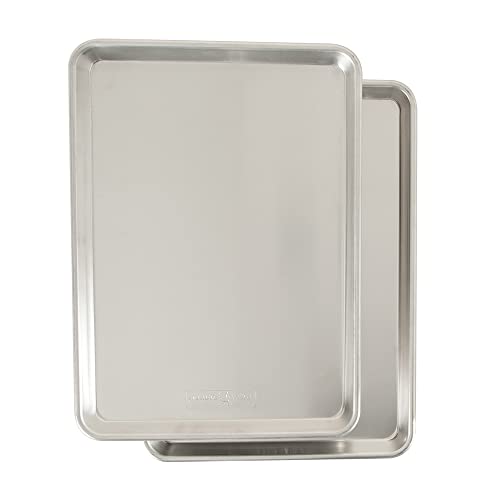
Minor scratches on nonstick baking sheets are generally safe for home use.
- Replace sheets if the coating peels, flakes, or exposes rust.
- Use parchment paper or silicone mats to protect scratched surfaces.
- Modern nonstick coatings are PFOA-free and inert if ingested.
- Avoid overheating scratched sheets to prevent fume release.
What happens when nonstick coating scratches?
Scratches break the nonstick surface, exposing the underlying metal, usually aluminum or steel. Food can stick to scratched areas, making cleaning harder. More importantly, tiny coating particles may flake off into your food. Most modern nonstick coatings, like PTFE, are considered inert and non-toxic if ingested in small amounts. However, if the coating is older or from an unknown brand, it might contain PFOA, which is now banned in many countries. According to the FDA, current nonstick coatings are safe for normal use, even with minor scratches. But deep scratches that reach the metal can cause uneven heating and potential chemical reactions with acidic ingredients.
Are scratched nonstick baking sheets toxic?
The short answer is no, not in typical household use. PTFE and ceramic coatings are stable and don't release harmful fumes at normal baking temperatures. Even if you swallow a flake, it passes through your system without being absorbed. The real risk is if the sheet is overheated above 500°F, which can cause the coating to break down and release fumes. Scratches don't lower the smoke point, but they can make the sheet more prone to overheating due to exposed metal. Owners report that scratched sheets still bake evenly, but they may not release food as well. If you have a pre-2015 sheet, it might contain PFOA, so consider replacing it. Always check the manufacturer's guidance for maximum temperature.
How to tell if your baking sheet needs replacing?
Look for peeling or flaking coating, which is a clear sign to replace. If you see dark spots or rust, the metal is exposed and can corrode. A sheet that warps or has deep gouges is also a candidate for replacement. According to the USDA, any cookware with chipped enamel or coating should be discarded. If the scratches are only surface-level and the sheet still releases food well, you can continue using it. However, if you notice a metallic taste in baked goods, that indicates metal leaching. For safety, replace sheets every few years, especially if you use them frequently. A simple test: if a paper towel snags on the surface, the coating is compromised.
Can you repair scratched nonstick baking sheets?
No, you cannot repair nonstick coating at home. Spray-on coatings are not durable and may contain harmful chemicals. Some people use baking soda paste to clean, but that won't fix scratches. The best course is to replace the sheet, but you can extend its life by using parchment paper. Parchment paper creates a barrier between food and the scratched surface. This prevents food from sticking and reduces coating flakes in your food. Silicone baking mats are another good option. They are reusable and fit most standard sheets. If you choose to keep using a scratched sheet, avoid metal utensils and abrasive cleaners. Hand washing with a soft sponge is gentler than a dishwasher.
What are the best alternatives to scratched nonstick sheets?
If you're replacing, consider uncoated aluminum sheets, which are durable and conduct heat well. They may need greasing, but they last for decades. Stainless steel sheets are another option, though they can stick more. For a nonstick experience without coating, use parchment paper on any sheet. Ceramic-coated sheets are more scratch-resistant than PTFE, but they can still chip. According to consumer reports, heavy-gauge aluminum sheets are the most versatile. Look for sheets with a thickness of at least 0.8mm to prevent warping. If you prefer nonstick, choose a reputable brand that uses PFOA-free coating. Check the warranty, as some brands offer a lifetime guarantee against coating defects.