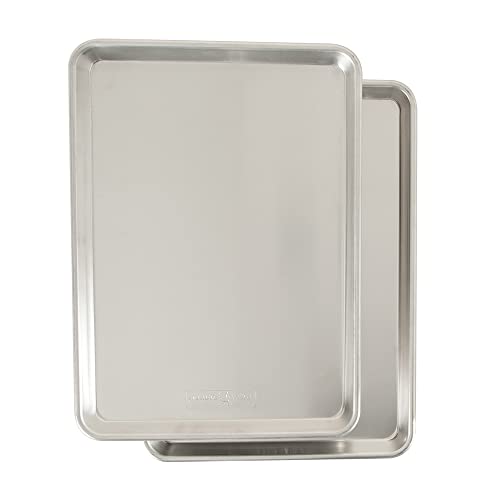
Choose stainless steel or ceramic-coated sheets without PFAS.
- Avoid scratched nonstick coatings and check for heavy metal certifications.
- Silicone mats are a safe add-on for any sheet.
- Thicker sheets resist warping and last longer.
What Makes a Baking Sheet Non Toxic?
Non toxic means the sheet does not leach harmful chemicals into food. Common concerns include PFAS, lead, and cadmium. These can be present in some nonstick coatings or colored ceramics. Safer materials include uncoated stainless steel, bare aluminum (with caution), and food-grade silicone. Look for certifications like FDA or Prop 65 compliance. Avoid sheets with scratched or chipped coatings.
Which Materials Are Safest for Baking Sheets?
Stainless steel is a top choice because it is inert and durable. It does not react with acidic foods. Ceramic-coated steel offers a nonstick surface without PFAS, but check for lead and cadmium. Pure silicone is flexible and nonstick, but it may not brown as well. Aluminum is a good conductor, but uncoated aluminum can react with tomatoes and citrus. Anodized aluminum is a safer alternative.
Best Non Toxic Baking Sheets for Different Uses
For roasting vegetables, a heavy-gauge stainless steel sheet works well. For baking cookies, a ceramic-coated sheet provides easy release. Silicone mats on a stainless steel sheet combine flexibility and heat conduction. For high-heat broiling, choose stainless steel without any coating. For delicate pastries, a lighter aluminum sheet may be easier to handle.
How to Choose a Non Toxic Baking Sheet
Check the product description for material and coating details. Look for explicit statements like 'PFAS-free' or 'no PFOA'. Consider the sheet's thickness; thicker sheets resist warping. Read reviews for real-world durability. Compare sizes to fit your oven. Remember that even non toxic sheets can leach if used improperly, like cutting on them.
Are Nonstick Baking Sheets Safe?
Traditional nonstick coatings often contain PFAS, which are linked to health issues. However, some brands now offer ceramic or silicone nonstick options without PFAS. Always verify the coating type. If you already own a nonstick sheet, replace it if the coating is scratched. For maximum safety, choose uncoated stainless steel or ceramic.