Deep Fryers
Best deep fryers compared for real buyers.
54 posts in this topic
Shopping for a deep fryer? Our deep fryers guides compare capacity, temperature control, oil filtration, safety so you can match the right deep fryer to your kitchen and budget without the guesswork.
Air fryers use hot air to crisp food with little oil, making them healthier and easier to clean. Deep fryers produce richer, crunchier results but use lots of oil and create mess. Choose air fryers for everyday meals and deep fryers for occasional indulgence.
Fry chicken at 350°F for 12 to 18 minutes, depending on the cut. Breasts take 14 to 18 minutes, thighs and drumsticks 12 to 15, wings 8 to 12. Always check the internal temperature reaches 165°F. Use a meat thermometer for safety.
You can reuse frying oil multiple times, typically 3 to 5 times for deep frying, depending on the oil type, food fried, and how you filter and store it. Each use degrades the oil, so watch for smoke, off smells, or foaming. When in doubt, discard it.
Cool the oil completely, then strain it through a fine mesh to remove food bits. Pour it into a sealable, non-recyclable container, like a glass jar or plastic bottle. Seal the container and place it in the trash. Never pour oil down the drain or into the compost bin.
Yes, you can reuse deep frying oil, but not indefinitely. Proper filtering and storage extend its life. Most oils last for several uses. Watch for off smells, smoke, or foam. These signal it's time to discard the oil.
Air fryers use little oil and cook faster, but deep fryers deliver crispier, richer results. Choose a deep fryer for authentic fried food and big batches. Pick an air fryer for everyday health-conscious cooking. Your decision hinges on oil tolerance, flavor priority, and counter space.
Yes, you can reuse frying oil after deep frying, but only if you filter it and store it properly. Most oils can be reused 3 to 5 times before they degrade. Watch for smoke, foam, or off smells. Discard oil that looks dark or thick.
Yes, you can deep fry with olive oil. Extra virgin olive oil has a smoke point around 375°F, which suits most frying. Refined olive oil works even better at higher temperatures. It adds flavor and is stable. Just avoid overheating.
The best oil for deep frying has a high smoke point, neutral flavor, and stable fats. Peanut, canola, and sunflower oils work well. Avocado oil suits high heat but costs more. Choose based on your recipe and budget.
Fill the fryer with oil to the marked line, heat it to the recipe's temperature, and lower food in gently. Fry in small batches to avoid temperature drops. Use a thermometer for accuracy. Drain on paper towels and season immediately. Always dry food before frying to prevent splatters.
To use a deep fryer safely, place it on a flat, heat-resistant surface away from water. Fill it with oil to the marked line, never overfilling. Heat oil to the recommended temperature, usually between 350°F and 375°F. Lower food in slowly using a basket or tongs. Never leave the fryer unattended. Keep a lid nearby to smother any oil fire.
Air fryers use hot air to crisp food with little oil, cutting calories significantly. Deep fryers deliver classic, rich flavor and texture. Air fryers are safer, easier to clean, and faster to preheat. Choose deep frying for large batches or authentic results. Air frying suits everyday, healthier cooking.
No, it is not safe to leave a deep fryer unattended. Hot oil can ignite in seconds, causing severe fires. Always stay in the kitchen while frying. If you must leave, turn off the fryer first.
Yes, you can use a deep fryer indoors, but safety matters. Choose a model with a lid and thermostat. Place it on a stable, heat-resistant surface. Keep it away from water and flammable items. Ventilate the room to reduce smoke and odor. Follow the manufacturer's instructions for safe operation.
Yes, you can use a deep fryer outdoors, but only certain types. Electric deep fryers are safe on a flat, dry surface. Propane-powered outdoor fryers are designed for outside use. Never use an indoor electric fryer under a covered patio or near flammable materials. Always keep a fire extinguisher nearby and never leave hot oil unattended.
The best oil for deep frying has a high smoke point and neutral flavor. Peanut, canola, and sunflower oils are top choices. They withstand high heat without burning. For a healthier option, use avocado or rice bran oil. Avoid butter and olive oil for deep frying.
Yes, you can use olive oil in a deep fryer, but it depends on the type. Extra virgin olive oil has a low smoke point and burns easily. Refined olive oil or light olive oil works better. They handle higher heat without smoking. Use them for short frying sessions. Check your oil's smoke point before starting.
The best deep fryer for home use balances capacity, wattage, and easy cleanup. For most households, a 4-liter model with 1800 watts offers enough space and power. Look for adjustable thermostats and dishwasher-safe parts. The Cuisinart CDF-200 leads for versatility and performance.
To deep fry chicken, heat oil to 350°F, coat pieces in seasoned flour or batter, and fry in batches until golden and cooked through. Use a thermometer to maintain temperature. Drain on a rack. Rest before serving.
Yes, you can reuse frying oil, but only if you filter it and store it properly. Most oils can be reused 3 to 5 times, depending on what you fried and the oil type. Watch for smoke, foam, or off smells. Those mean it's time to discard.
The best deep fryer for home use depends on your cooking volume and space. For most households, a 4 to 6 quart model with adjustable thermostat and dishwasher-safe parts offers the best balance. The Cuisinart CDF-200 leads for versatility, while the Presto 05420 wins on value. Consider oil capacity and filtration for frequent frying.
Yes, you can use a deep fryer without oil, but only if it's an air fryer or an oil-less fryer. Traditional deep fryers require oil to function. Air fryers circulate hot air to crisp food with minimal or no oil. They are healthier but produce a different texture than deep-fried food.
The best oil for a deep fryer is one with a high smoke point and neutral flavor, like peanut, canola, or avocado oil. Peanut oil suits most home cooks for its balance of heat tolerance and taste. Canola is cheaper and widely available. Avocado oil works for high-heat frying but costs more.
Yes, you can reuse deep fryer oil multiple times, often 3 to 5 times, depending on what you fry and how you care for it. Filtering after each use and storing it properly extends its life. Watch for smoke, foam, or off smells as signs to discard.
The easiest deep fryers to clean have removable, dishwasher-safe parts and nonstick interiors. Look for models with detachable oil containers and lids. The Presto FryDaddy and Cuisinart CDF-200 rank high for simple cleanup. Both have nonstick surfaces and minimal crevices. Owners report wiping them down in minutes.
The best oil for deep frying is peanut oil. It has a high smoke point of 450°F and a neutral flavor. Peanut oil resists breakdown at high heat. It works well for most foods, from chicken to fries. For a cheaper option, use canola oil. For a neutral choice, use refined avocado oil.
A deep fryer heats oil to a set temperature, usually between 350°F and 375°F. A heating element warms the oil, and a thermostat keeps it steady. Food submerged in hot oil cooks quickly as moisture turns to steam. The steam pushes oil away, creating a crispy crust.
Learn how to choose the best deep fryer by comparing capacity, oil filtration, temperature control, safety features, and maintenance. This guide helps you find the right model for your kitchen.
Learn how to use a deep fryer safely with this step-by-step guide covering oil selection, temperature control, cleaning tips, and more. Perfect for beginners.
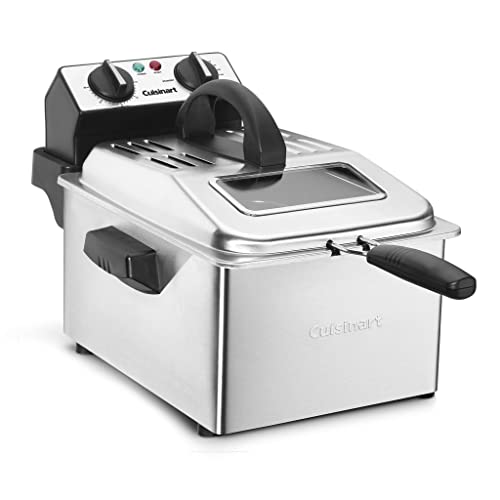
The Cuisinart CDF-200 is a well-built deep fryer that delivers consistent results. Our editorial team compared specifications, buyer feedback and key decision factors to bring you this honest review.
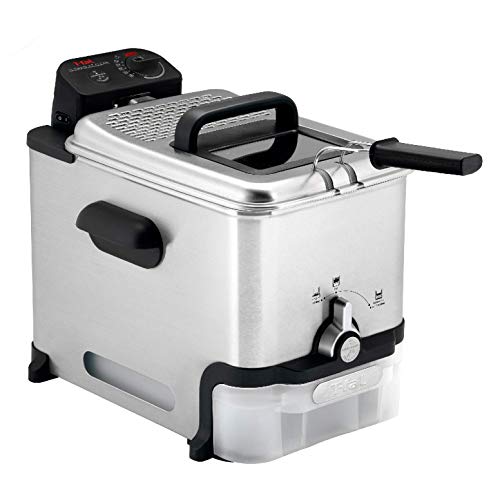
The T-fal FR8000 deep fryer stands out with its automatic oil filtration system, delivering crispy results and easy cleanup. Our editorial team compared specifications, buyer feedback, and key decision factors to evaluate its value for money.
Your deep fryer likely won't stay at temperature because the thermostat is faulty, the heating element is worn, or the oil is too cold or contaminated. Check the thermostat with a thermometer, replace the element if needed, and always preheat with fresh oil to the correct level.
First, unplug and let the oil cool completely. Strain the oil through a fine mesh to reuse or discard it. Wipe out loose debris with paper towels. Wash removable parts in hot, soapy water. For stubborn residue, use a baking soda paste. Rinse, dry, and reassemble.
Foaming usually means oil is breaking down from heat, moisture, or food debris. Stop it by filtering oil daily, drying food before frying, and keeping oil below 375°F. Replace oil when it darkens or smells rancid.
Food sticks to the basket when the batter isn't set, the oil is too cool, or the basket is dirty. Preheat oil to the right temperature, dry food well, and coat the basket lightly with oil. Clean the basket thoroughly after each use.
Foaming usually means water, food particles, or soap are in the oil. First, turn off the fryer and let the oil cool. Skim off any foam and debris. Then, filter the oil through a fine mesh or cheesecloth. If it still foams, replace the oil entirely.
Turn off the fryer immediately and let the oil cool. Remove debris and old oil, then replace with fresh oil. Check the thermostat and clean the heating element. Use the right oil with a high smoke point and avoid overheating.
To stop food sticking, preheat the empty basket in oil for 5 minutes, then add food in a single layer. Use a light dusting of flour or cornstarch on moist items. Avoid overcrowding and never move food until a crust forms.
Your deep fryer likely shuts off due to a tripped thermal fuse, a faulty thermostat, or an overheating safety reset. Unplug it, let it cool fully, then test the outlet and reset the high-limit switch. If it trips again, replace the thermostat or thermal fuse.
To clean a deep fryer, first unplug and cool it completely. Drain the oil, wipe out loose debris, then wash the interior with hot, soapy water or a degreaser. Rinse, dry thoroughly, and reassemble. For stubborn buildup, use a baking soda paste.
Turn off the fryer immediately. Let the oil cool completely. Then, filter or replace the oil. Clean the heating element and interior. Check for food debris. If smoke persists, the oil is rancid or the fryer is faulty. Replace the oil or the fryer.
Your deep fryer likely trips its thermal cutoff or high-limit switch when the oil overheats or the heating element is coated in burnt debris. Unplug it, let it cool fully, then clean the element and replace the oil. Reset the switch if needed. If it still cuts out, the thermostat may be faulty.
Unplug the fryer and let the oil cool completely. Strain the oil through a fine mesh to remove food particles. Wipe the interior with paper towels. Wash removable parts in hot, soapy water. Rinse and dry thoroughly. For stubborn residue, use a degreaser and a soft brush. Rinse again and air dry before reassembling.
Unplug the fryer, inspect the power cord and outlet for damage, and test the outlet with another appliance. If the outlet is fine, the fryer's heating element or internal wiring is likely faulty. Replace the fryer or call a professional.
To stop food from sticking, preheat the oil to the right temperature, dry the food thoroughly, and avoid overcrowding the basket. Lightly dust with flour or cornstarch before frying. Use a nonstick basket or spray it with oil. Clean the basket after each use to remove residue.
Mix equal parts white vinegar and water, heat to a simmer, let it sit for 30 minutes, then scrub with a non-abrasive sponge. Rinse thoroughly and dry. This dissolves grease and neutralizes odors without harsh chemicals.
First, check the power supply and thermostat. A tripped breaker or unplugged cord stops all heating. If power flows, the thermostat or heating element likely failed. Reset the high-limit switch if present. For persistent issues, consult the manual or a technician.
Dry the food thoroughly before frying, and dust it lightly with cornstarch or flour. Preheat the oil to the right temperature, usually between 350°F and 375°F. Lower the basket gently, and avoid overcrowding. Finally, let the food set for 30 seconds before moving it.
First, unplug the fryer and check the outlet with another appliance. Inspect the power cord for damage. Test the thermal fuse and thermostat with a multimeter. Reset any tripped circuit breaker. If parts are faulty, replace them. If the control board fails, call a professional.
Check the thermostat and heating element first. A faulty thermostat or a broken heating element is the usual culprit. Also, ensure the oil level is correct and the fryer is clean. If the element glows but oil stays cool, replace the thermostat. If no glow, the element needs replacing.
Learn how to clean a deep fryer properly, from daily oil maintenance to removing burnt-on grease. Our step-by-step guide covers electric, propane, and commercial models with tips to extend oil life and keep your fryer like new.
Smoking deep fryer? Learn the common causes like oil breakdown, wrong oil, or overfilling, plus practical fixes to get back to crisp, smoke-free frying.