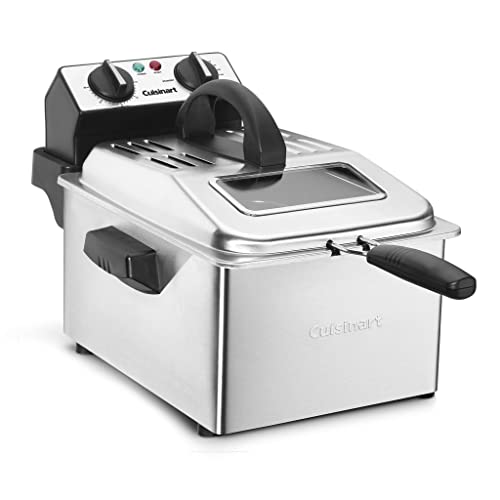
Reuse frying oil 3 to 5 times, depending on oil type and what you fried.
- Always filter and store used oil in a cool, dark place.
- Discard oil if it smokes, foams, smells rancid, or turns dark.
- Use high-smoke-point oils like peanut or canola for best reuse results.
How Many Times Can You Reuse Frying Oil?
Most home cooks reuse oil three to five times. The exact number depends on the oil type and what you fried. Breaded foods leave more particles, so they shorten oil life. Clean frying, like for vegetables, lets oil last longer. High-quality oils with high smoke points, like peanut or canola, handle more reuses. Always filter oil after each use to remove food debris.
What Happens to Oil When You Reuse It?
Each fry breaks down the oil's chemical structure. Heat causes oxidation, which creates free fatty acids. These lower the smoke point and change the flavor. Reusing oil also transfers flavors from previous foods. For example, frying fish leaves a fishy taste that can ruin later batches. That's why you should dedicate separate oil for fish and for other foods.
How to Store Reused Frying Oil
First, let the oil cool completely after frying. Then, strain it through a fine mesh sieve or cheesecloth to remove crumbs. Store the filtered oil in a sealed, dark glass or metal container. Keep it in a cool, dark place, like a pantry or fridge. If you refrigerate, oil can become cloudy, but that's normal. It clears when warmed.
Signs That Frying Oil Is No Longer Safe to Reuse
Discard oil if it smokes before reaching frying temperature. Foam on the surface, a dark color, or a rancid smell are also red flags. If the oil is sticky or has a thick consistency, it's degraded. Reusing bad oil can ruin food and may produce harmful compounds. Trust your senses; when in doubt, throw it out.
Tips to Extend the Life of Your Frying Oil
Use a thermometer to keep oil at the right temperature, usually 350 to 375°F. Too hot breaks down oil faster. Fry in small batches to avoid temperature drops. Remove excess moisture from food before frying, as water accelerates oil breakdown. After frying, skim off any floating particles. These habits help oil last longer.