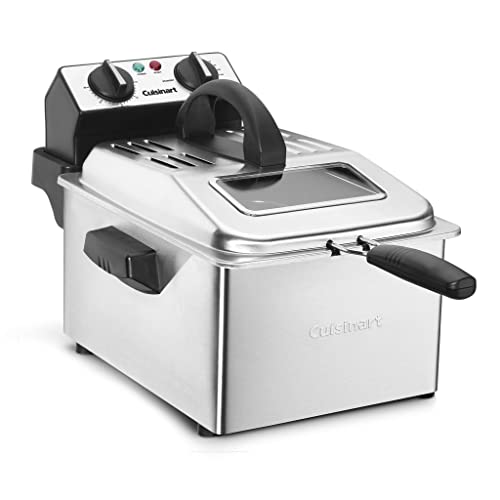
Air fryers are healthier, cheaper to run, and easier to clean than deep fryers.
- Deep fryers deliver superior taste and texture for battered and dough-based foods.
- Choose an air fryer for everyday meals and a deep fryer for occasional treats.
- Consider your kitchen space, cooking habits, and health priorities when deciding.
How Do Air Fryers and Deep Fryers Work?
Air fryers circulate hot air at high speed to brown food, needing only a tablespoon of oil. Deep fryers submerge food in hot oil, cooking it quickly and evenly. Air fryers reach temperatures around 400°F, while deep fryers can hit 375°F or higher. The cooking method changes texture and flavor. Air-fried food has a drier, less greasy crust. Deep-fried food is crispier and more succulent.
Which Is Healthier: Air Fryer or Deep Fryer?
Air fryers cut fat by up to 75% compared to deep frying, according to the USDA. Deep frying adds significant calories and saturated fat from absorbed oil. Air frying preserves more nutrients because it uses shorter cooking times. However, air-fried food can still be high in sodium if you use pre-seasoned coatings. Deep-fried food is linked to higher risks of heart disease and obesity. For daily cooking, air fryers are the clear health winner.
What Tastes Better: Air-Fried or Deep-Fried Food?
Deep frying produces a golden, crunchy crust with a rich, savory flavor that many people prefer. Air-fried food is lighter and less greasy, but some say it tastes more baked than fried. The texture difference is most noticeable in battered foods like fish and chicken. Air fryers work best with foods that have natural fat, like chicken thighs or frozen fries. Deep fryers excel at delicate batters and doughs. For authentic fried chicken, deep frying wins on taste.
Which Is More Convenient and Easier to Clean?
Air fryers are compact, heat up fast, and have dishwasher-safe baskets. Deep fryers are bulky, require gallons of oil, and take time to heat and cool. Air fryers produce no oil splatter, while deep fryers can make a mess on your counter. Deep fryers need oil filtration and storage after each use. Air fryers are simpler for quick weeknight meals. Cleanup is much easier with an air fryer.
What About Cost and Energy Use?
Air fryers typically cost less than deep fryers, with many models under Deep fryers range widely, but commercial-grade ones can be pricey. Air fryers use less electricity because they heat a small chamber quickly. Deep fryers require continuous energy to keep oil hot. You also need to buy oil regularly for deep frying. Over time, air fryers save money on oil and electricity.
Which Is Better for Specific Foods?
Air fryers are great for frozen snacks, vegetables, and reheating leftovers. Deep fryers are better for doughnuts, churros, and tempura. Air fryers can make crispy fries with a fraction of the oil. Deep fryers are essential for achieving authentic fish and chips. If you love fried chicken, a deep fryer gives that classic crunch. For versatility and health, an air fryer handles more daily tasks.
What Are the Safety Concerns for Each?
Deep fryers pose a burn risk from hot oil splatter and can cause fires if overheated. Air fryers have hot surfaces but no oil, reducing burn hazards. Deep fryers should never be left unattended, especially with children around. Air fryers have automatic shut-off features for safety. Both appliances need proper ventilation to avoid smoke. Air fryers are generally safer for home kitchens.
Which One Fits Your Kitchen and Lifestyle?
Air fryers are ideal for small kitchens, singles, or families who want quick meals. Deep fryers suit large families or people who host fry-ups regularly. If you have limited counter space, an air fryer is more practical. Deep fryers require dedicated storage and careful oil disposal. Consider how often you cook fried foods. For most households, an air fryer offers better value and convenience.