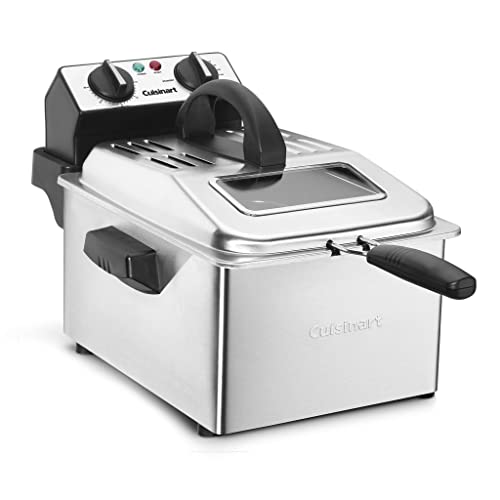
Deep fryers deliver authentic crispy texture and handle big batches.
- Air fryers use minimal oil, cook faster, and are easier to clean.
- Choose based on taste preference, health goals, and kitchen space.
What Are the Main Differences Between a Deep Fryer and an Air Fryer?
Deep fryers submerge food in hot oil, typically between 350 and 375 degrees Fahrenheit. Air fryers circulate hot air at high speed to crisp food with a fraction of the oil. Deep frying produces a thicker, crunchier crust because of direct oil contact. Air frying yields a lighter texture that some compare to baking. Oil capacity in deep fryers ranges from 2 to 6 quarts, while air fryer baskets hold 2 to 10 quarts. Cooking times differ too. Air fryers often finish faster because of rapid air circulation. Deep fryers require more oil, which adds cost and cleanup effort.
How Do Taste and Texture Compare Between Deep Fried and Air Fried Food?
Deep frying creates a golden, crispy exterior that many consider superior. The oil adds flavor and moisture that air frying cannot fully replicate. Air fried food comes out drier and less crunchy, especially with battered items. For breaded chicken or french fries, deep frying gives a more satisfying bite. Air fryers work best with foods that already have some oil, like frozen snacks. Owners report that air fried vegetables turn out tender but not crispy. If you crave authentic fried chicken, a deep fryer wins on taste.
Which Is More Convenient and Easier to Clean?
Air fryers heat up quickly and often have digital controls with presets. Deep fryers take longer to heat oil and require careful temperature management. Cleaning an air fryer basket is simple, usually dishwasher safe. Deep fryers involve draining, filtering, and disposing of oil after each use. Oil changes add time and mess, though some models have drain valves. Air fryers also produce less lingering odor in your kitchen. For daily convenience, air fryers are the clear winner.
What Are the Health and Safety Considerations for Each?
Air frying uses up to 80 percent less oil, cutting calories and fat significantly. Deep fried foods absorb oil, raising their fat content. Air fryers reduce the risk of hot oil splatter and burns. Deep fryers pose a burn hazard, especially around children. Both appliances can reach high temperatures, so proper placement matters. Air fryers are generally safer for novice cooks. If you have health concerns, an air fryer is the better choice.
Which Should You Choose Based on Your Cooking Habits?
Choose a deep fryer if you host parties or cook for a large family. Deep fryers handle big batches of wings, fries, or doughnuts easily. An air fryer suits singles or couples who want quick, small meals. Air fryers also double as mini ovens for roasting and baking. If you love crispy food but hate oil mess, an air fryer offers a compromise. Consider your counter space, budget, and how often you crave fried food. Deep fryers cost less upfront but require ongoing oil purchases.