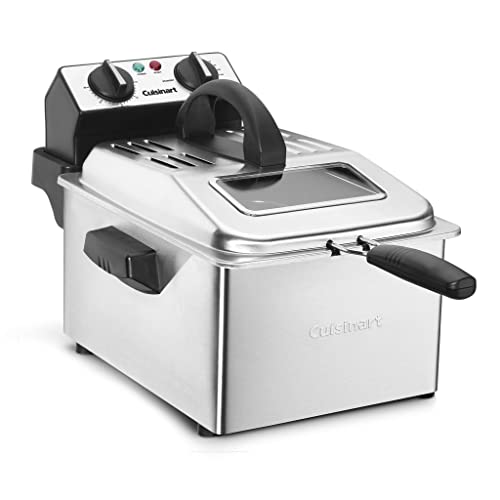
Check the thermostat and heating element first. A faulty thermostat or a broken heating element is the usual culprit. Also, ensure the oil level is correct and the fryer is clean. If the element glows but oil stays cool, replace the thermostat. If no glow, the element needs replacing.
- A faulty thermostat or heating element is the most common reason a deep fryer won't heat.
- Regular cleaning and proper oil levels prevent many heating issues.
- Replace a fryer if parts are costly or if it's old and inefficient.
Why won't my deep fryer get hot enough?
Several issues can cause a deep fryer to underperform. The most common is a faulty thermostat that fails to read the oil temperature correctly. Another frequent cause is a heating element that has burned out or has a broken connection. Low oil level can also prevent proper heat transfer, as can using the wrong type of oil with a low smoke point. Additionally, a thick layer of burnt food residue on the element insulates it, reducing efficiency. Finally, a power supply issue, like a tripped breaker or a damaged cord, can limit voltage. Diagnose by checking each component systematically.
How to fix a deep fryer that isn't heating up
Start by unplugging the fryer and letting it cool completely. Check the power cord for damage and ensure the outlet provides power. Next, inspect the heating element for visible breaks or burn marks. If the element looks intact, test the thermostat with a multimeter for continuity. Clean the element and the interior thoroughly, removing any carbon buildup. Ensure the oil level is at the recommended mark, usually between the MIN and MAX lines. If the thermostat is faulty, replace it with a compatible part. If the element is dead, replace it or consider a new fryer. Always consult the manual for specific instructions.
How can I prevent my deep fryer from losing heat?
Regular maintenance prevents most heating issues. Clean the fryer after every few uses, removing oil residue and food particles. Use a high-quality oil with a high smoke point, like peanut or canola. Maintain the correct oil level, as too little oil strains the element. Avoid overloading the basket, which drops oil temperature significantly. Store the fryer in a dry place to prevent moisture damage. Periodically check the power cord and plug for wear. Following these steps extends the life of your fryer and keeps it heating efficiently.
When should I replace my deep fryer instead of repairing it?
If the heating element or thermostat fails and replacement parts are expensive or unavailable, replacement is often wiser. A fryer older than five years with repeated issues may not be worth fixing. If the fryer's body is warped or the cord is frayed, safety risks increase. Also, if the fryer takes more than 15 minutes to reach 350°F, it may be inefficient. Compare the cost of a new fryer versus repair; often, a new model is more energy-efficient. For commercial units, consult a professional technician first. Otherwise, replace it to avoid fire hazards.
Can I fix a deep fryer thermostat myself?
Yes, if you have basic electrical skills and tools. First, unplug the fryer and drain the oil. Access the thermostat, usually located behind a control panel. Use a multimeter to test for continuity; if it's open, replace it. Purchase a compatible thermostat from the manufacturer or a parts supplier. Disconnect the wires, noting their positions, and install the new one. Reassemble and test with a thermometer. If you're unsure, hire a professional. Incorrect wiring can cause electric shock or fire. Always follow the manual's safety instructions.