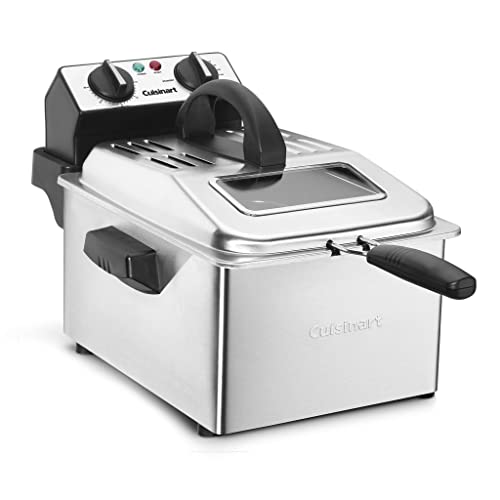
Clean your deep fryer after every 8-10 uses or when oil darkens. For burnt-on grease, boil water with vinegar, then scrub with baking soda paste. Always dry completely to prevent rust.
Why Cleaning a Deep Fryer Is Tricky
Deep fryers accumulate stubborn grease, carbonized food particles, and rancid oil residue. If not cleaned properly, burnt-on grease can affect the taste of your food, reduce oil life, and even become a fire hazard. Different fryer types require slightly different approaches. Electric fryers have heating elements and thermostats that must not get wet. Propane fryers have exposed burners and gas lines. Commercial fryers often have built-in filtration systems. Our editorial team compared specifications, buyer feedback and key decision factors to bring you the most effective cleaning methods for each type.
How to Clean an Electric Deep Fryer
Electric deep fryers are the most common for home use. They have a heating element that can be damaged if submerged improperly. Follow these steps:
- Unplug and cool completely. Never clean a hot fryer. Wait until the oil is cool enough to handle safely.
- Remove oil. Strain used oil through a fine-mesh sieve or cheesecloth into a container if you plan to reuse it. Otherwise, dispose of oil properly.
- Disassemble removable parts. Take out the basket, lid, and any drip trays. Wash them in hot soapy water with a non-abrasive sponge. Rinse and dry thoroughly.
- Clean the interior. Wipe the inside of the fryer with paper towels to absorb residual oil. For stuck-on grease, make a paste of baking soda and water, apply, let sit for 15 minutes, then scrub gently with a soft brush. Rinse with a damp cloth.
- Do not submerge the base. If the heating element is removable, clean it separately with a damp cloth. If not, wipe carefully without getting water into electrical components.
- Dry everything completely. Moisture can cause oil to splatter and degrade oil quality. Let all parts air dry or use a clean towel.
- Reassemble and season. Lightly coat the interior with a thin layer of oil to prevent rust before storing.
How to Clean a Propane Deep Fryer
Propane fryers are popular for outdoor use and large batches. They have a burner assembly that needs special care. Always disconnect the propane tank before cleaning.
- Turn off gas and disconnect tank. Ensure the burner is off and the tank valve is closed. Disconnect the hose.
- Let the fryer cool. Hot oil can cause severe burns. Wait until the oil is below 100°F.
- Remove and clean the pot. Lift out the stainless steel pot. Wash it with hot water and mild dish soap. For burnt-on grease, fill the pot with water and a cup of white vinegar, bring to a boil on a stovetop or propane burner (outdoors), boil for 10 minutes, then let cool and scrub.
- Clean the burner and housing. Use a wire brush to remove carbon deposits from the burner ports. Wipe the housing with a damp cloth. Avoid getting water inside the gas valve.
- Rinse and dry the pot. Rinse thoroughly with clean water and dry with a towel. Any leftover water can cause oil to foam.
- Reassemble and test. Reconnect the tank, check for gas leaks with soapy water, and do a test run with water to ensure everything works.
How to Clean a Commercial Deep Fryer
Commercial deep fryers require daily and weekly cleaning to maintain oil quality and comply with health codes. Many have built-in filtration systems.
- Turn off and cool. Shut off the fryer and let the oil cool to around 150°F for filtration.
- Filter the oil (if reusable). Open the drain valve and let oil flow through a filter cone or paper into a clean container. Some fryers have automatic filtration. Follow the manufacturer's instructions.
- Clean the fryer vat. After draining, use a fryer brush and a commercial degreaser (or a solution of boiling water and vinegar) to scrub the interior. Pay special attention to corners where carbon builds up.
- Boil out (deep clean). Fill the vat with water and a boil-out solution (available from restaurant supply stores). Bring to a boil and let it simmer for 20-30 minutes. Drain and scrub with a non-abrasive pad.
- Rinse thoroughly. Rinse with clean water multiple times to remove all chemical residue. Any leftover cleaner can contaminate the oil.
- Dry completely. Use clean towels or let air dry. Moisture accelerates oil breakdown.
- Refill with fresh oil. Once dry, close the drain valve and add new oil. For filtered oil, return it to the vat.
Tips for Removing Burnt-On Grease
Burnt-on grease is the toughest challenge. Here are proven methods:
- Vinegar and water boil: Equal parts water and white vinegar, boil for 10 minutes, let cool, then scrub. The acid helps loosen carbon.
- Baking soda paste: Mix baking soda with a little water to form a paste. Apply to stubborn spots, let sit for 30 minutes, then scrub with a nylon brush.
- Dishwasher tablet: Drop one tablet into the fryer with hot water, let it dissolve, then scrub. Rinse thoroughly.
- Commercial degreaser: Use a product specifically designed for fryers. Follow label directions and rinse well.
- Pumice stone: For stainless steel surfaces, a wet pumice stone can gently remove carbon without scratching. Use light pressure.
How to Maintain Oil Quality
Good oil maintenance reduces the need for frequent deep cleaning and improves food taste.
- Filter oil after each use. Strain out food particles using a fine-mesh sieve or cheesecloth. For commercial fryers, use a filtration system.
- Store oil properly. Keep oil in a cool, dark place. Exposure to light and heat accelerates rancidity.
- Do not overfill. Follow the max fill line. Overfilling can cause oil to overflow and create a mess.
- Monitor oil temperature. Use a thermometer to keep oil at the recommended temperature (usually 350-375°F). Overheating breaks down oil faster.
- Change oil when it darkens, smells off, or smokes excessively. These are signs of degradation.
- Skim debris during cooking. Use a slotted spoon to remove floating batter bits before they burn and stick.
When to Replace Your Deep Fryer
Even with meticulous cleaning, deep fryers eventually wear out. Consider replacing if:
- The non-stick coating is peeling (if applicable).
- The heating element is corroded or no longer heats evenly.
- The basket is rusted or has broken welds.
- The thermostat is inaccurate, causing temperature fluctuations.
- The fryer leaks oil from the base or drain valve.
- You notice persistent burnt smells even after cleaning.