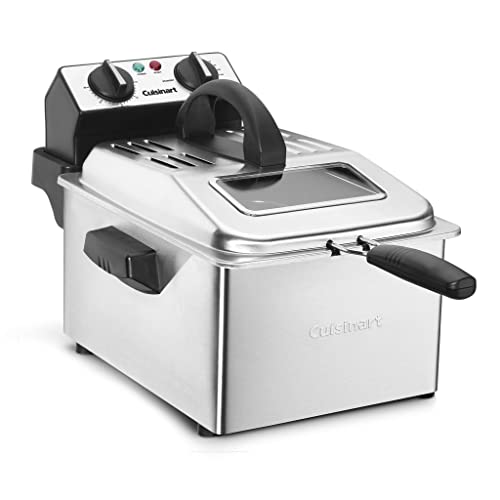
A deep fryer heats oil to a set temperature, usually between 350°F and 375°F. A heating element warms the oil, and a thermostat keeps it steady. Food submerged in hot oil cooks quickly as moisture turns to steam. The steam pushes oil away, creating a crispy crust.
- A deep fryer works by heating oil to a set temperature and holding it there with a thermostat.
- The cooking process relies on steam escaping from food, which creates a crispy crust and prevents oil absorption.
- Different fryer types include electric, gas, induction, and infrared, each with unique heating methods.
- Safety features like cool-touch exteriors and automatic shutoffs are essential to prevent burns and fires.
What Are the Main Parts of a Deep Fryer?
Every deep fryer has a heating element, a thermostat, and a basket. The heating element sits at the bottom or inside the oil tank. The thermostat senses oil temperature and turns the element on or off. A basket holds food and lowers it into the oil. Most models also have a lid and a drain valve for cleaning.
How Does the Heating and Temperature Control Work?
The heating element converts electrical energy into heat. It transfers that heat directly to the oil. The thermostat uses a probe or sensor to read oil temperature. When oil cools below your set point, the element switches on. When it reaches the target, it switches off. This cycle keeps oil within a narrow range, typically plus or minus 5 degrees.
How Does the Cooking Process Actually Work?
When you lower food into hot oil, the surface temperature drops slightly. The thermostat responds by heating harder. Water inside the food boils and turns to steam. Steam bubbles escape through the oil, creating the sizzle you hear. The rapid heat transfer cooks the food from the outside in.
What Are the Different Types of Deep Fryers?
Countertop electric fryers are the most common for home use. They have a built-in thermostat and are easy to control. Commercial floor fryers are larger and use gas or electric heat. They often have multiple baskets and faster recovery times.
What Safety Features Should You Look For?
Look for a fryer with a cool-touch exterior to prevent burns. A locking lid helps contain splatters. An automatic shutoff turns the unit off if the oil gets too hot. Some models have a reset button that trips if the temperature exceeds a safe limit.