Popcorn Makers
Best popcorn makers compared for real buyers.
31 posts in this topic
Shopping for a popcorn maker? Our popcorn makers guides compare type (air vs oil), capacity, speed, cleanup so you can match the right popcorn maker to your kitchen and budget without the guesswork.
Yes, you can make popcorn without oil in an air popcorn maker. These machines use hot circulating air to pop kernels. They produce a light, fluffy result with no added fat. Stovetop and microwave methods typically need oil or butter.
An air popcorn maker uses a heating element and fan to circulate hot air inside a chamber. The hot air heats kernels until they pop. A chute then directs the popcorn into a bowl. No oil is needed, making it a low-fat option.
Air-popped popcorn is generally healthier than microwave popcorn. It has fewer calories and less sodium and fat. Microwave varieties often contain added oils, butter, and artificial flavors. Air-popped gives you control over toppings. Choose plain kernels and add your own seasonings for the best nutrition.
Hot air poppers are generally easiest to clean because they have few parts and no oil residue. Models with removable chutes and dishwasher-safe bowls simplify cleanup. Stovetop and microwave poppers need more wiping but still beat traditional pots. Look for nonstick surfaces and wide openings for access.
A popcorn maker is worth it if you eat popcorn often and value fresh, customizable results. It saves money over microwave bags and avoids added oils and chemicals. But if you pop rarely, a simple pot works fine. Consider your counter space and cleaning effort before buying.
Yes, you can use oil in a hot air popcorn maker, but it's not recommended. Most manufacturers advise against it because oil can damage the heating element or create a fire hazard. Instead, pop dry and add oil or butter afterward for flavor.
Yes, an air popper is generally better for health and flavor control, using hot air instead of oil. Microwave popcorn makers are more convenient and compact. Choose based on your priorities: air poppers for crisp, low-calorie popcorn, microwave versions for speed and easy cleanup. Both produce fresh popcorn, but air poppers offer more control over seasoning and avoid added fats.
Hot air poppers typically pop the most kernels, with rates around 95% or higher. The Presto PopLite and West Bend Stir Crazy are top performers. Stovetop whirley pop models also excel, often reaching 98% when used correctly. Microwave bowls vary widely, so check reviews for specific models.
No, you should not put oil in a hot air popcorn popper. The heating element and fan are not designed for oil. Oil can cause smoke, fire hazards, and permanent damage. Instead, pop kernels dry, then toss with melted butter or oil afterward for flavor.
The best popcorn maker for home use is the Whirley Pop, a stovetop model with a hand crank. It pops evenly, uses minimal oil, and lasts for years. Hot air poppers are lighter but can burn kernels. Microwave bowls are convenient but less consistent. Choose based on your kitchen space and popcorn habits.
Air poppers use hot air to pop kernels with no oil, yielding a light, low-calorie snack. Oil-based makers fry kernels in oil or butter for richer flavor and crunchier texture. Air poppers are cheaper and easier to clean, while oil versions produce more authentic movie theater taste. Your choice depends on health priorities versus flavor preferences.
Yes, you can use olive oil in most popcorn makers, but extra virgin olive oil has a low smoke point and can burn. Refined olive oil or light olive oil works better because it withstands higher heat. Always check your machine's manual for oil recommendations. Stir-in flavored oils after popping for best taste.
The best popcorn maker for home use depends on your priorities. Hot air poppers make healthy, oil-free popcorn quickly. Stovetop poppers offer control and rich flavor with oil. Microwave bowls are convenient and compact. For most households, a hot air popper balances health, speed, and ease. Choose a stovetop model if you prefer traditional taste and texture.
Popcorn makers work by heating kernels until internal moisture turns to steam, building pressure until the hull bursts. Hot air poppers circulate heated air, while oil-based machines use a heated surface and oil for conduction. Both methods produce fluffy popcorn, but they differ in texture, oil use, and cleanup.
Master your stovetop popcorn popper with our step-by-step guide. Learn oil selection, heat control, shaking techniques, and troubleshooting for perfect popcorn every time.
Learn how to get fluffy, crispy popcorn from an air popper with preheating tips, seasoning ideas, and common mistakes to avoid. Discover flavor variations for a healthier snack.
Learn the differences between air, oil, microwave, and stovetop popcorn makers, plus key factors like capacity, wattage, and cleaning, to choose the right one for your home.

The Whirley Pop is a classic stovetop popcorn maker that promises hand-cranked, movie-theater quality. We examine its build, ease of use, popcorn quality, and how it stacks up against microwave and air poppers.
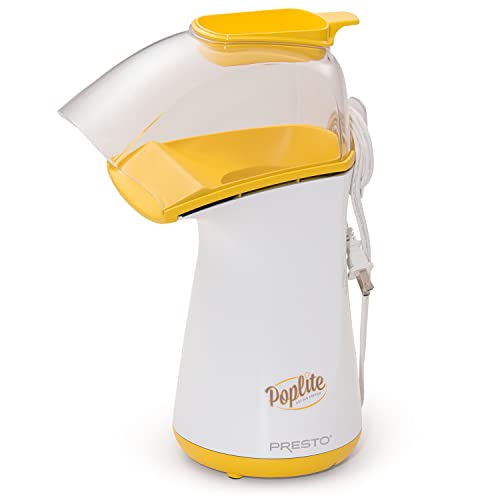
Our editorial team compared specifications, buyer feedback, and key decision factors for the Presto PopLite hot air popper. We examine its compact design, oil-free popping, speed, and whether it's a healthy choice for families.
Stop burning popcorn by reducing heat, shaking the maker, and using fresh kernels. Preheat the oil, add kernels, and shake constantly. Remove from heat when popping slows to two seconds between pops. Clean the machine regularly to avoid smoke and scorching.
Unplug the machine and let it cool completely. Remove any loose kernels and oil residue with a soft brush or cloth. Wipe all surfaces with a damp microfiber cloth and mild soap. For stubborn buildup, use a vinegar-water solution. Dry thoroughly before storing.
Lower the heat setting and shake the machine during popping. Preheat the unit before adding kernels. Use fresh, high-quality popcorn and the right oil. Clean the machine after every use to remove burnt residue. Follow the manufacturer's instructions for your specific model.
Popcorn burns when kernels sit too long on a hot surface without enough oil or stirring. Use fresh kernels, measure the right oil amount, and follow the machine's capacity limit. Preheat properly and stop the cycle as soon as popping slows to under two seconds between pops.
First, unplug the machine and inspect the power cord for damage. Test the outlet with another device. If the outlet works, check the thermal reset button or fuse. Many units have a hidden reset. If nothing helps, the motor or switch may be faulty. Replace the machine if repairs cost more than a new one.
Stop burning popcorn by using the right oil with a high smoke point, like coconut or canola, and heat the maker before adding kernels. Stir or shake frequently, and listen for the popping to slow to 2 seconds between pops, then remove from heat immediately.
Unplug the machine and check the kettle for a stuck kernel or buildup. If clear, inspect the drive belt or gear for wear. Lubricate the motor shaft if needed. Reassemble and test. Persistent failure points to a motor issue, so consider replacing the unit.
Usually, unpopped kernels mean the oil isn't hot enough, the kernels are old or dry, or the machine's heating element is weak. Preheat the oil, use fresh popcorn, and ensure the maker reaches the right temperature. If it still fails, the machine may need repair or replacement.
Chewy popcorn is a common frustration. Learn the real reasons behind it, from moisture and oil temperature to kernel freshness, and get actionable fixes for air and stovetop poppers.
Learn how to clean air, stovetop, and electric popcorn makers. Remove oil residue, butter stains, and burnt bits with these simple steps and maintenance tips.