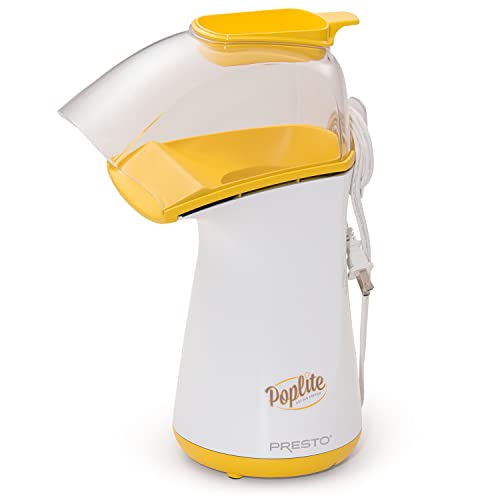
Always unplug and cool the popcorn maker before cleaning to avoid burns or electrical hazards.
- Use mild soap, water, and soft cloths to protect surfaces and prevent damage.
- Regular cleaning after each use prevents stubborn buildup and keeps your machine performing well.
Why Does My Popcorn Maker Get Dirty So Fast?
Popcorn makers accumulate oil, butter, and kernel debris with every use. High heat can bake residue onto surfaces, making it harder to remove later. Unpopped kernels can lodge in crevices and vents. Over time, this buildup can affect performance and flavor. Regular cleaning prevents stubborn stains and keeps the machine hygienic.
How to Clean a Popcorn Maker Step by Step
Start by unplugging the machine and letting it cool completely. Remove any detachable parts, like the popping bowl or lid, and wash them in warm soapy water. Wipe the interior and exterior with a damp cloth and a few drops of dish soap. For sticky residue, use a soft brush or sponge to gently scrub. Rinse with a clean damp cloth and dry all parts thoroughly before reassembling.
How to Remove Stubborn Burnt-On Oil and Kernels
For baked-on oil, make a paste of baking soda and water and apply it to the affected areas. Let it sit for 10 minutes, then scrub gently with a non-abrasive pad. For kernels stuck in small openings, use a toothpick or a soft brush to dislodge them. Vinegar can help dissolve mineral deposits from hard water. Always rinse well after using any cleaning agent.
How Often Should You Clean a Popcorn Maker?
Wipe down the machine after every use to remove fresh oil and crumbs. Do a deeper clean weekly if you use it daily. Monthly, check for buildup in vents and heating elements. If you notice smoke or off smells, clean immediately. Regular maintenance extends the life of your machine and keeps popcorn tasting fresh.
When to Replace or Call a Professional
If you see rust, frayed cords, or electrical issues, stop using the machine and consult a professional. Persistent burning smells or smoke after cleaning may indicate internal residue or damage. If the machine fails to heat evenly, it might need servicing. Replacement is often more cost-effective than repairs for older models. Check the manufacturer's warranty for guidance.