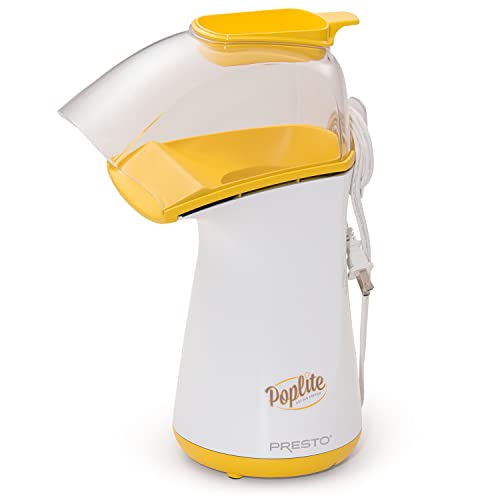
Air poppers use hot air, making popcorn with little to no oil, which is lower in fat and calories.
- Microwave popcorn makers are compact, fast, and budget-friendly, ideal for small spaces or occasional use.
- Air poppers produce crisp, fluffy popcorn with better seasoning control, but they need counter space.
- Your choice depends on health priorities, kitchen space, and how often you make popcorn.
What Are the Main Differences Between Air Poppers and Microwave Popcorn Makers?
Air poppers use hot air circulation to pop kernels, requiring no oil. Microwave popcorn makers are containers designed for microwave use, often with a lid and vent. Air poppers typically produce larger, fluffier kernels, while microwave versions may yield denser popcorn. Air poppers are standalone appliances, taking up counter space, whereas microwave makers are compact and store easily. Both methods avoid the pre-packaged bags that contain added oils and chemicals.
Health and Nutrition: Which Popping Method Is Healthier?
Air-popped popcorn is naturally low in calories and fat, with about 30 calories per cup. Microwave popcorn makers allow you to control oil, but many users add butter or oil for flavor. According to the listing, air poppers use no oil, making them the lower-fat option. Microwave popcorn can be healthy if you use minimal oil, but it's easier to overdo it. Both methods avoid the trans fats found in some microwave bag popcorn. For weight management, air poppers are the better choice.
Taste and Texture: Does Air Popped or Microwave Popcorn Taste Better?
Air poppers produce light, crisp popcorn with a clean corn flavor. Microwave popcorn makers can yield a softer, chewier texture, especially if overcooked. Many owners report that air-popped popcorn holds seasonings better because it's dry. Microwave popcorn may have a slightly steamed taste if the container traps moisture. For movie-theater style, you can add melted butter after air popping. Ultimately, taste preference varies, but air poppers give you more control over crunch.
Convenience and Ease of Use: Which Is More Practical for Daily Snacking?
Microwave popcorn makers are faster, popping in about 2-4 minutes, while air poppers take 3-5 minutes. Microwave versions require no preheating and are easy to store. Air poppers need counter space and a power outlet, but they are simple to operate with one button. Cleanup is similar: both have removable parts that are dishwasher safe. For small kitchens or dorm rooms, a microwave popcorn maker is more practical. For frequent popcorn lovers, an air popper might be worth the space.
Cost and Value: Are Air Poppers Worth the Investment?
Air poppers typically cost more upfront than microwave popcorn makers. Microwave versions are often under while air poppers range from to However, air poppers use less electricity and no oil, saving money over time. Both avoid the cost of pre-packaged microwave popcorn bags. Consider how often you'll use it: daily users may save more with an air popper. If you pop occasionally, a microwave maker is the budget-friendly choice.
Who Should Choose an Air Popper?
Air poppers suit health-conscious snackers who want fat-free popcorn. They are ideal for families who enjoy customizing seasonings like nutritional yeast or chili powder. If you have counter space and pop several times a week, an air popper is efficient. They are also great for making large batches for parties. However, they are not for those who prefer the convenience of a microwave. Choose an air popper if you prioritize health and flavor control.
Who Should Choose a Microwave Popcorn Maker?
Microwave popcorn makers are perfect for small kitchens, dorms, or RVs where space is limited. They are also great for occasional snackers who want fresh popcorn without a bulky appliance. If you're on a tight budget, these are more affordable. They are easy to use for kids or elderly users, as they just require a microwave. However, they may not produce as even a pop as air poppers. Choose a microwave maker for convenience and portability.
Edge Cases: What About Pre-Popped or Specialty Popcorn?
Neither method works well for pre-popped popcorn, as they are designed for kernels. For specialty kernels like mushroom or colored varieties, both work, but air poppers may pop them more evenly. If you want to use flavored oils or butter, a microwave maker allows you to mix them before popping. Air poppers require adding oil after popping, which may not coat as well. For kettle corn, a microwave maker might be better. For plain popcorn, air poppers are superior.