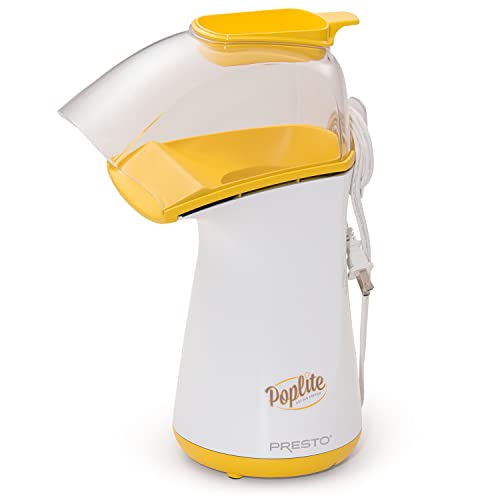
Air poppers use hot air, no oil, resulting in lower calories and fat.
- Oil-based makers fry kernels in oil, giving richer flavor and crunchier texture.
- Air poppers are cheaper, easier to clean, and more compact.
- Oil poppers cost more, require more maintenance, but deliver movie theater taste.
- Choose air poppers for health, oil poppers for flavor and events.
How Do Air Poppers and Oil-Based Popcorn Makers Work?
Air poppers circulate hot air at high speed to heat kernels until they pop. A fan blows the popped corn out into a bowl, with no oil required. Oil-based machines use a heated kettle or pot where kernels cook in oil or butter. The oil transfers heat evenly and adds fat, which affects taste and texture. Most oil poppers have a stirring mechanism to prevent burning. Air poppers typically pop faster, around 2 to 3 minutes per batch.
What Are the Health Differences Between Air-Popped and Oil-Popped Popcorn?
Air-popped popcorn is significantly lower in calories and fat because no oil is added. A typical serving of air-popped corn has about 30 calories per cup, while oil-popped can exceed 50 calories per cup. Oil adds saturated fat, which may raise cholesterol if consumed in excess. Air poppers also avoid the extra sodium and artificial flavors often used in oil-based seasonings. However, oil-based popcorn can be part of a balanced diet if you use healthy oils like olive or coconut. Owners report that air-popped corn is drier and less satisfying for those used to movie theater taste.
Which Popcorn Maker Produces Better Flavor and Texture?
Oil-based popcorn makers deliver a richer, buttery flavor that many people prefer. The oil crisps the kernel's outer shell, creating a crunchier bite. Air-popped popcorn tends to be lighter and fluffier but can taste bland without added seasonings. Oil also helps salt and other spices stick to the kernels better. For a classic cinema experience, oil poppers are the clear winner. If you enjoy plain popcorn or want to control seasoning, air poppers work well.
What Are the Cost and Maintenance Differences?
Air poppers generally cost less upfront, with many models under Oil-based machines range from to or more, depending on features. Air poppers have fewer parts, making them easier to clean; most have a removable bowl and chute. Oil kettles require wiping out residual oil and washing the stirring rod. Oil poppers may need periodic deep cleaning to remove built-up grease. Replacement parts like heating elements are more common for oil machines. Over time, oil costs add up, while air poppers use only electricity.
Which Popcorn Maker Should You Choose for Different Situations?
Air poppers are ideal for health-conscious individuals, small kitchens, and quick snacks. They produce large batches without oil, perfect for low-fat diets. Oil-based makers suit families who love movie nights and want authentic flavor. They also work well for parties or events where you can offer butter and seasoning options. If you have limited counter space, air poppers are more compact. For commercial use, like concession stands, oil kettles are the standard. Consider your storage, budget, and how often you plan to pop.