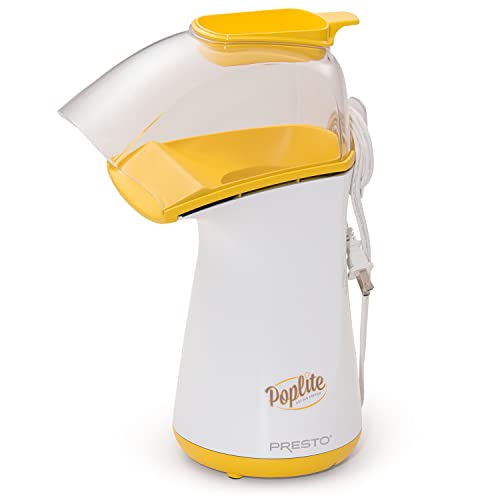
Popcorn pops when internal steam pressure bursts the kernel hull.
- Hot air poppers use no oil, while oil-based makers produce richer flavor.
- Microwave popcorn is convenient but often less healthy.
- Choose a maker based on your health goals, space, and batch size.
What are the basic principles of popcorn popping?
Every popcorn kernel contains a small amount of water inside a starchy endosperm. When heated, that water turns to steam, creating pressure inside the kernel. At about 180°C (356°F), the hull bursts, and the starch expands into a fluffy flake. This process is called popping. The ideal moisture content is around 14%, which is why popcorn is often dried before packaging. If kernels are too dry, they won't pop well. Too much moisture can make them chewy.
How do hot air popcorn poppers work?
Hot air poppers use a heating element and a fan to blow heated air through a chamber. The air heats the kernels evenly, and the fan keeps them moving to prevent burning. As kernels pop, they are pushed out of the chamber into a bowl. This method requires no oil, making it a low-fat option. Hot air poppers are typically lightweight and easy to clean. However, they can be noisy and produce drier popcorn compared to oil-based methods.
How do oil-based popcorn makers work?
Oil-based makers, like stovetop kettles or electric machines, use a heated surface to cook kernels in oil. The oil transfers heat directly to the kernels, allowing for even cooking. The oil also adds flavor and helps distribute salt or seasonings. These machines often have a stirring mechanism to prevent burning. The result is a richer, more traditional popcorn texture. Cleanup is more involved because you must wash the kettle and lid.
What are the differences between microwave popcorn and dedicated makers?
Microwave popcorn uses a paper bag with a susceptor that heats and crisps the kernels. The bag is sealed, and the microwave's radiation heats the oil and kernels. Dedicated makers, whether hot air or oil-based, offer more control over heat and seasoning. Microwave popcorn often contains added fats and artificial flavors. Dedicated makers let you use your own oil and seasonings, which can be healthier. However, microwave popcorn is more convenient and requires no extra equipment.
Which type of popcorn maker is best for different use cases?
For health-conscious users, a hot air popper is the best choice because it uses no oil. For movie-theater style popcorn, an oil-based machine with coconut oil and flavacol is ideal. For small kitchens, a microwave popper bowl is compact and easy to store. For large gatherings, a commercial-style kettle popper can produce big batches. Consider noise level, cleanup, and counter space when choosing.