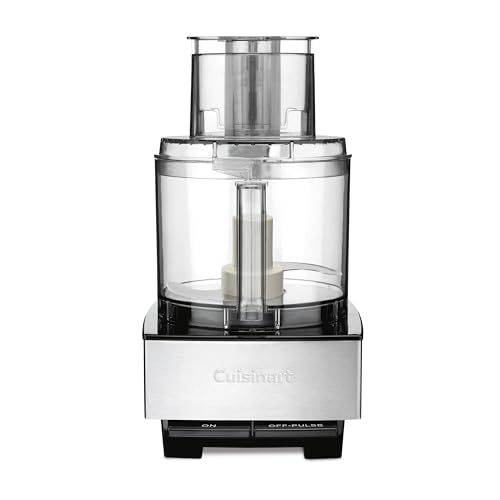
Food processors chop, slice, and knead with interchangeable discs and a wide bowl.
- Blenders puree liquids and soft foods with a tall jar and fixed blades.
- Choose a processor for dry or chunky tasks like dough and slicing.
- Choose a blender for smoothies, soups, and sauces.
- Blade design and bowl shape determine performance and texture.
What Are the Core Differences Between a Food Processor and a Blender?
Food processors use a wide, short bowl with a central shaft. Blenders have a tall, narrow jar with blades at the bottom. Processors come with multiple discs for slicing and shredding. Blenders typically have a single blade assembly. The motor speeds and power also differ. Processors often run at lower speeds with more torque. Blenders spin faster to create vortexes that pull ingredients down.
Which Tasks Does Each Appliance Handle Best?
Food processors excel at dry or chunky tasks like chopping nuts or making dough. They can slice vegetables uniformly with a disc. Blenders are ideal for liquid-based recipes such as smoothies and milkshakes. A blender can puree hot soup, but a processor handles thicker mixtures like pesto or hummus. For grating cheese or shredding carrots, a processor is the better tool. Blenders struggle with dry ingredients unless you add liquid.
How Do Blade Design and Bowl Shape Affect Performance?
Food processor blades are S-shaped and sit near the bottom of a wide bowl. This design allows for chopping without splashing. Blender blades are cross-shaped and create a vortex that pulls food down. The tall jar of a blender encourages liquid circulation. Processor bowls have a feed tube for adding ingredients while running. Blenders usually have a lid with a removable cap for adding items. These differences determine what each machine can process efficiently.
What Are the Best Use Cases for Each Appliance?
Use a food processor for making pie crust, bread dough, or coleslaw. It also handles slicing potatoes for gratin. A blender is best for frozen drinks, protein shakes, and pancake batter. You can make smooth nut butter in a high-powered blender. For salsa or guacamole, a food processor gives a chunkier texture. A blender purees cooked vegetables into a silky soup. Choose based on the final consistency you want.
Can You Substitute One for the Other in a Recipe?
You can sometimes substitute, but results vary. A blender can chop small batches of nuts if you pulse. A food processor can puree soft fruits, but may leave lumps. For a smoothie, a blender is essential. For slicing vegetables, a processor is irreplaceable. If a recipe calls for both, consider the order of tasks. Processors handle dough and shredding; blenders handle liquids. Knowing your appliance's limits prevents frustration.