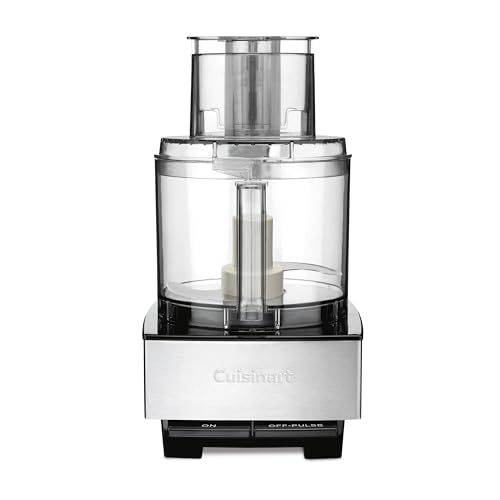
Food processors chop vegetables quickly and uniformly with a spinning blade.
- Use short pulses for coarse chop, longer for fine mince.
- Best for firm vegetables; soft ones can turn mushy.
- A knife is better for precision; a processor excels at volume.
How Does a Food Processor Chop Vegetables?
A food processor uses a sharp metal blade that spins at high speed. The blade is mounted at the bottom of the bowl. Vegetables are pushed down through a feed tube. The blade slices them into small pieces. The size depends on how long you pulse. Short pulses give coarse chunks. Longer processing creates finer mince. Most models have a pulse button for control. The bowl's shape forces food back toward the blade. This ensures even chopping without stirring.
What Vegetables Can a Food Processor Chop?
It handles firm vegetables like carrots, celery, and onions well. Soft items like tomatoes and mushrooms can turn mushy. Leafy greens like spinach become shredded or pureed. Root vegetables need peeling and cutting into chunks first. The feed tube limits size, so large items must be halved. Frozen vegetables work if slightly thawed. Hard squash may require manual pre-cutting. Overall, it excels with medium-firm produce.
Food Processor vs. Knife: Which Is Better for Chopping?
A knife gives you precise control over cut size and shape. It's faster for small quantities. A food processor is faster for large batches. It produces uniform dice, but not perfect cubes. Knife skills take practice; a processor is beginner-friendly. Cleanup is quicker with a knife. For soups, stews, or sauces, a processor saves effort. For garnishes or exact cuts, stick with a knife.
Tips for Perfect Chopped Vegetables in a Food Processor
Cut vegetables into 1-inch pieces before adding. Don't overfill the bowl; work in batches. Pulse in 1-second bursts for even results. Check the texture and re-pulse if needed. Use the feed tube for consistent slices with a disc. For fine mince, process longer but watch for puree. Chill vegetables for firmer cuts. Clean the blade immediately after use to avoid staining.
Common Mistakes to Avoid When Chopping Vegetables
Overprocessing turns vegetables into mush. Ignoring the pulse function leads to uneven pieces. Adding too much liquid makes soup instead of chop. Processing hot vegetables can damage the bowl. Forgetting to secure the lid causes spills. Using dull blades crushes rather than cuts. Not drying wet vegetables makes them slippery. These errors are easy to fix with practice.