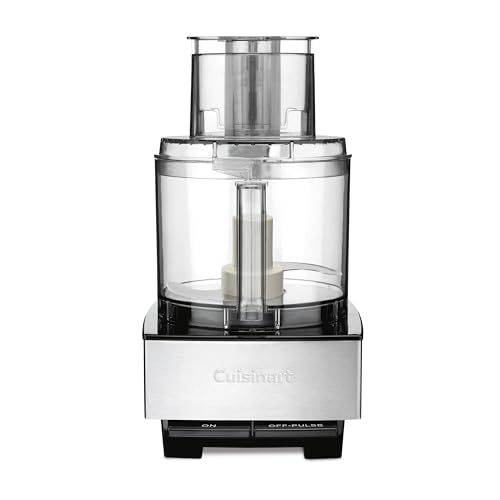
Use the shredding disc, not the metal blade, for even shreds.
- Chill cheese for 15-30 minutes before shredding to prevent smearing.
- Freeze soft cheeses like mozzarella for best results.
- Use the fine disc for hard cheeses like Parmesan.
- Clean the disc immediately after use to avoid stuck cheese.
How to Shred Cheese in a Food Processor
Start with a cold block of cheese. Chill it in the freezer for 15 to 30 minutes. This prevents the cheese from smearing or clogging the disc. Attach the shredding disc to the food processor. Cut the cheese into chunks that fit the feed tube. Feed the chunks through the tube while the processor runs. Use gentle pressure with the pusher. Do not overload the bowl; work in batches if needed.
Which Disc Should You Use for Shredding Cheese?
Most food processors come with a shredding disc. This disc has large holes that produce thick, even shreds. Use it for cheddar, Monterey Jack, and similar semi-hard cheeses. For finer shreds, some models include a fine grating disc. That works well for Parmesan or Romano. Avoid using the standard metal blade for shredding. It will chop the cheese into uneven pieces and may turn it into a paste.
Shredding Soft Cheeses: Mozzarella and Fresh Cheeses
Soft cheeses like fresh mozzarella are tricky in a food processor. They are too moist and clingy. Freeze the mozzarella for 30 to 60 minutes before shredding. This firms it up so the disc can cut cleanly. Use the large shredding disc for mozzarella. Expect some clumping; toss the shreds with a little flour or cornstarch. Fresh mozzarella in water is not suitable for shredding. Pat it dry and freeze it, or use a box grater instead.
Shredding Hard Cheeses: Parmesan and Pecorino
Hard cheeses like Parmesan are dense and brittle. A food processor can grate them easily. Use the fine grating disc for a powdery texture. The medium shredding disc yields small, fluffy pieces. Cut the cheese into chunks that fit the feed tube. Remove any rind, as it is too tough. Process in short pulses to avoid overheating the cheese. Overheating can cause the cheese to melt and clump.
Common Mistakes and How to Avoid Them
One mistake is using a dull disc. A sharp disc produces cleaner shreds. Another is shredding warm cheese, which smears. Always chill the cheese first. Do not fill the bowl to the brim. The shreds need room to move. If shreds come out mushy, the cheese was too soft or the disc was wrong. Clean the disc immediately after use. Dried cheese is hard to remove.