Mandoline Slicers
Compare the best mandoline slicers with honest, buyer-first research. We break down what matters when choosing a mandoline slicer so you can decide with confidence.
50 posts in this topic
The best mandoline for beginners is the OXO Good Grips V-Blade Mandoline Slicer. It has a large, comfortable handle and a secure food holder. The V-shaped blade makes straight and crinkle cuts easy. Its adjustable dial sets thickness from paper-thin to 9.5 mm. Plus, the blade locks for safe storage.
Yes, a mandoline slicer is worth it for home cooks who slice vegetables often. It delivers uniform cuts in seconds, saving time and improving presentation. However, it adds cleanup and carries a cut risk. For occasional cooks, a sharp chef's knife may suffice.
Yes, you can slice cheese with a mandoline slicer, but only firm and semi-hard varieties. Soft cheeses will crush or stick. Use a guard and a sharp blade for clean, even slices. Thick-cut settings work best for crumbly types. Always check your model's manual first.
Yes, you can slice tomatoes with a mandoline slicer. Use a straight blade, not a crinkle one, and set it to a medium thickness. Firm or slightly underripe tomatoes work best. Overripe tomatoes may turn to mush. Always use the hand guard for safety.
Yes, you can sharpen many mandoline slicer blades, but not all. Ceramic blades are brittle and often not sharpenable. Replaceable stainless steel blades can be sharpened with a fine honing rod or ceramic stone. Always check the manufacturer's instructions first. Sharpening extends blade life and improves slicing performance.
Yes, for most home cooks who slice vegetables often. A mandoline makes uniform cuts in seconds, saving time and improving presentation. It requires careful handling and storage. If you rarely slice or dislike cleaning extra tools, it may not be worth the cost and risk.
The easiest mandoline slicers combine a secure hand guard, a stable nonslip base, and a simple blade adjustment. Look for models with a large handle and a locking mechanism. The OXO Good Grips V-Blade and the Mueller Austria are user-friendly choices. They reduce effort and improve safety.
Yes, you can slice cheese with a mandoline, but only firm and semi-hard varieties. Soft cheeses will crush or stick. Use a sharp blade, apply even pressure, and always use the hand guard. A mandoline gives you uniform slices for sandwiches, boards, or cooking.
A mandoline slicer creates uniform cuts quickly. Set it on a stable surface, adjust the blade thickness, and use the hand guard. Always push food with the guard, never your fingers. Slice in smooth, downward strokes. Clean it immediately after use.
Yes, a mandoline slicer can cut sweet potatoes. The firm flesh slices cleanly with a sharp blade. Use a medium thickness for even cooking. Always use the guard to avoid cuts. Sweet potatoes are harder than zucchini, so apply steady pressure.
Yes, a mandoline can slice tomatoes cleanly if the tomatoes are firm and the blade is sharp. Soft, ripe tomatoes crush easily. Use a V-shaped blade with a thickness setting around 3 mm. Push gently and steadily. A non-slip base helps control.
The best mandoline slicer for most home kitchens is the Benriner Japanese Mandoline Slicer. It offers sharp, precise cuts, a simple design, and excellent value. For those wanting safety features, consider the OXO Good Grips. Your choice depends on how often you slice and your comfort with handling blades.
A mandoline slicer is worth it if you slice vegetables often and want uniform cuts fast. It beats a knife for speed and consistency. But it adds cleanup and carries a cut risk. For occasional use, a good chef's knife may suffice. For regular meal prep, the investment pays off.
Yes, most mandoline slicer blades can be sharpened, but it depends on the blade material and design. Stainless steel blades respond well to sharpening; ceramic blades are brittle and often not worth the effort. You can use a fine diamond hone, ceramic rod, or specialized sharpening tool. Replace blades that are bent, chipped, or too worn.
Use a mandoline slicer safely by always using the hand guard, keeping fingers curled, and adjusting the thickness blade. Secure the base on a damp towel. Push food with the guard, never your bare hand. Work slowly and focus. Store blades locked or out of reach.
Yes, you can slice frozen vegetables with a mandoline, but it is not recommended. Frozen produce is extremely hard and slippery, increasing the risk of cuts. Thawing slightly or using a sturdy, sharp blade helps. For best results, use a mandoline with a thick blade and a firm grip.
The easiest mandoline to clean has a removable blade and a smooth, one-piece body. Dishwasher-safe parts help, but hand washing is still common. The OXO Good Grips V-Blade stands out for its simple disassembly. It rinses clean in seconds. Many users report no food traps.
Yes, many mandoline slicers include a julienne blade or attachment. These blades cut vegetables into thin, matchstick-like strips. The thickness depends on the blade size, usually 2 to 3 millimeters. Some models offer interchangeable julienne inserts for different widths. Always use the guard to protect your fingers.
The best mandoline slicer for home use is the OXO Good Grips V-Blade Mandoline Slicer. It offers a comfortable grip, adjustable thickness, and a safety guard that protects fingers. Its V-shaped blade cuts evenly and quickly. Many home cooks prefer it for its stability and ease of use.
Use a mandoline slicer safely by always using the hand guard, keeping fingers curled, and adjusting the blade thickness before slicing. Work on a stable surface and use a cut-resistant glove for extra protection. Never slice without the guard, and always clean the blade carefully.
Master safe mandoline slicing with proper hand positioning, guard use, and cutting techniques. Avoid common mistakes and keep your fingers intact.
Learn how to choose the right mandoline slicer for your kitchen. Compare blade types, materials, safety features, adjustability, and maintenance to find the perfect fit for your cooking style.

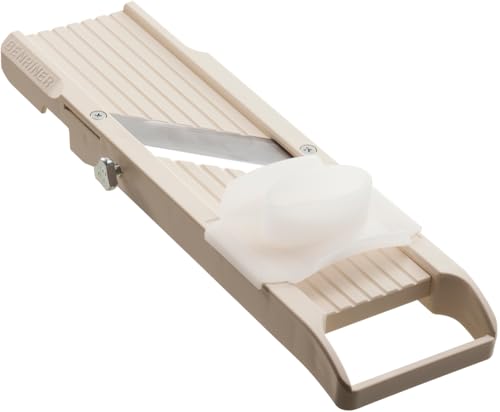
The Benriner Japanese mandoline is a chef favorite for its razor-sharp blade and precise cuts. Our editorial team compared specifications, buyer feedback, and key decision factors to see if it lives up to the hype.

A detailed look at the OXO Good Grips mandoline, covering adjustable thickness, safety features, cleaning ease, and real buyer feedback to help you decide if it is right for your kitchen.
To stop a mandoline from slipping, place a damp paper towel or a non-slip mat under the base, and always use the hand guard. If it still moves, tighten any rubber feet or replace worn grips.
Most mandoline blades are not meant to be sharpened at home. Instead, replace the blade or the entire unit when it dulls. Some models allow blade removal for professional sharpening. Always check your manual first.
First, check the blade for dullness or damage. Sharpen it with a ceramic rod if possible, or replace the blade if it's removable. Clean any stuck food from the blade and carriage. Adjust the thickness dial to a thicker setting. If cuts still tear, the blade is likely beyond repair and needs replacement.
Uneven slices usually come from a dull blade, loose adjustment knob, or food moving during cutting. First, sharpen or replace the blade. Then, lock the thickness dial firmly. Finally, press food down evenly against the carriage. If slices still vary, check the blade alignment.
Your mandoline likely isn't cutting through potatoes because the blade is dull, the potato is too thick, or you're applying uneven pressure. Sharpen or replace the blade, slice potatoes to under 6 inches, and press down firmly and evenly. If it still struggles, the blade may be damaged.
Clean the blade immediately after use with a stiff brush under running water. Never wipe the blade with a bare hand or cloth. Use the included guard or a cut-resistant glove. Dry it flat, blade down, away from edges.
Sharpen the blade with a fine-grit whetstone or ceramic rod. Remove the blade first, then sharpen at a 20-degree angle. Use light, even strokes. Test on a carrot. If the blade is chipped or bent, replace it.
Clean and dry the blade and food carriage, then apply a light coat of food-grade mineral oil to the blade and glide rails. If sticking persists, check for food debris lodged in the blade housing or a dull blade that needs replacement.
First, clean the locking mechanism and blade carriage. Food debris often blocks the latch. If that fails, tighten the locking screw or knob. Check for worn parts. Replace the mandoline if the lock is stripped or cracked.
First, check the locking mechanism for debris or damage. Clean the lock and the rail with warm soapy water, then dry thoroughly. If it still won't lock, tighten any screws or adjust the tension knob. For a broken latch, contact the manufacturer for a replacement part. If the lock is cracked, replace the slicer.
Dry the mandoline completely after every wash, then store it in a dry place. Apply a thin coat of food-safe mineral oil to the blade and frame. Avoid the dishwasher and acidic foods left on the surface. These steps stop rust before it starts.
The most common reason is a dull blade. Replace or sharpen it. Also check for food residue, incorrect assembly, or using soft produce. Clean and dry the blade, ensure the carriage grips food, and adjust thickness. If still failing, the blade may be damaged or the unit warped.
Disassemble the slicer, rinse each piece under hot water immediately after use, and scrub with a brush and mild soap. Dry every part thoroughly before storing. Never put it in the dishwasher unless the manufacturer says it's safe, as harsh detergents can dull blades and cause rust.
Soak the blade and food-affected areas in warm, soapy water for 10-15 minutes to loosen debris. Then use a soft brush or toothpick to gently dislodge stuck bits. Rinse thoroughly and dry immediately to prevent rust. Always hand wash and avoid abrasive scrubbers.
The quickest fix is to place a damp paper towel or a silicone mat under the base. That adds instant grip. Press down firmly while slicing. If it still moves, use the included hand guard and apply downward pressure. For heavy use, consider a model with rubber feet or a suction base.
First, check if the blade is removable. If so, replace it with a new one, as most mandoline blades are not meant to be sharpened. If it's fixed, use a fine-grit sharpening rod or ceramic stone, running along the blade's bevel at the correct angle. Always clean and dry the blade before sharpening. If the blade is damaged or bent, replace the entire slicer.
Clean your mandoline immediately after use, before food dries. Use a brush or sponge with warm soapy water, never your fingers. Rinse under running water, then dry with a towel. Store with the blade guard on. This prevents cuts and keeps the blade sharp.
First, unplug or lock the slicer and remove the blade carriage. Clean the blade and food chute thoroughly, then dry them. Check for food wedged under the blade or in the guard. Adjust the thickness dial to a thinner setting. Reassemble and test with a firm vegetable.
To fix a dull mandoline, sharpen the blade with a fine-grit whetstone or ceramic rod, following the blade's bevel angle. Alternatively, use a specialized mandoline sharpener. If the blade is chipped or warped, replace the blade or the entire slicer.
Dry the mandoline thoroughly with a towel immediately after washing, then air-dry completely before storing. Apply a thin coat of food-safe mineral oil to the blade and frame. Store it in a dry place, not in a drawer with other metal utensils. This prevents moisture from causing rust.
Clean your mandoline immediately after use. Use the included guard or a thick cut-resistant glove. Rinse under warm water, scrub with a brush, and dry with a towel. Never wipe blades with bare hands. Store blades covered.
Uneven cuts usually mean the blade is dull, the food isn't pressed flat, or the thickness dial slipped. Check blade sharpness, reset the dial, and press firmly. If slices still vary, the carriage may be loose or the blade needs replacing.
Discover why mandoline slicers rust, how to prevent it, and step-by-step methods to remove rust and restore your slicer.
Uneven mandoline slices are frustrating. Learn the real reasons behind them and get practical fixes for consistent, professional results.