Food ProcessorsGuide
How to Use a Food Processor for Dough
To use a food processor for dough, fit the steel blade, add dry ingredients, and pulse. Add liquid slowly through the feed tube while pulsing. Stop when the dough just clumps. Overprocessing develops gluten, making dough tough. Turn out and knead briefly by hand.
5 min read
Use the steel blade and pulse to control dough texture.
- Add liquid slowly through the feed tube while processing.
- Stop when the dough just clumps to avoid toughness.
- Cold ingredients are key for flaky pastry dough.
- A food processor is great for pie, pizza, and bread dough.
What to look for in a food processor for dough
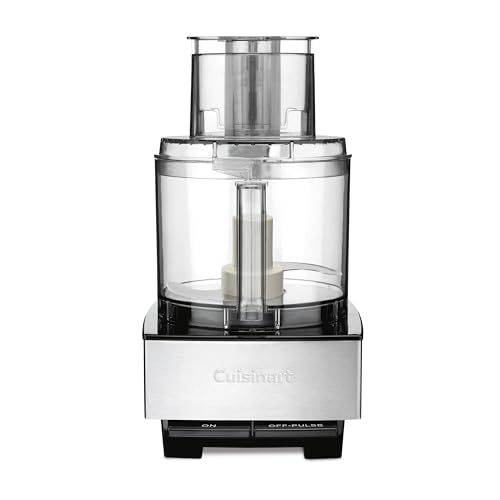
A food processor needs a powerful motor, at least 600 watts, to handle stiff dough. A large feed tube lets you add liquid steadily. A steel S-blade is essential for cutting butter into flour. A wide work bowl, 10 cups or more, gives dough room to move. Look for a pulse button for precise control. Some models include a dough blade, but the standard steel blade works fine.
How to make dough in a food processor step by step
Start with cold ingredients for flaky pastry or room temperature for bread. Place dry ingredients in the bowl and pulse to combine. Add cold butter cubes and pulse until the mixture looks like coarse meal. This takes about 10 short pulses. Do not overmix; you want pea-sized butter pieces.
Which dough types work best in a food processor
Food processors excel at making pie crust, biscuits, and scones. The machine cuts cold fat into flour quickly, keeping the dough tender. Shortcrust pastry comes together in under a minute. Puff pastry is possible but requires folding and chilling between pulses.
Food processor vs stand mixer for dough: which is better
A food processor makes dough faster than a stand mixer. It cuts butter into flour in seconds, ideal for pastry. A stand mixer kneads bread dough more gently and in larger batches. The processor can overheat the dough if run too long.
Common mistakes when using a food processor for dough
Overprocessing is the most common error. It develops gluten, making dough tough and chewy. Always pulse and check frequently. Stop when the dough just starts to clump. This prevents a dense, hard result.
Common questions
Can you make dough in a food processor?
Yes, a food processor can make many types of dough. It works well for pie crust, pizza, and bread dough. Use the steel blade and pulse to avoid overmixing.
What is the best blade for dough in a food processor?
The standard steel S-blade is best for most doughs. Some models include a plastic dough blade. The steel blade cuts fat into flour more effectively. Use the pulse function for control.
How long should you process dough in a food processor?
For pastry, pulse for 10 to 15 seconds total. For bread, process for 30 to 60 seconds. Stop as soon as the dough clumps. Overprocessing makes dough tough.
Why is my food processor dough tough?
Tough dough usually comes from overprocessing. The blade develops gluten too much. Pulse in short bursts and check often. Add liquid slowly to prevent overmixing.
Can you make bread dough in a food processor?
Yes, you can make bread dough in a food processor. Use the steel blade and process for about 45 seconds. The dough should be smooth and elastic. Let it rise according to your recipe.
Food processor vs stand mixer for dough: which is better?
A food processor is faster for pastry and small batches. A stand mixer is better for large or heavy doughs. Both can make good bread. Choose based on your needs.
How much dough can a food processor handle?
It depends on the bowl size. A 10-cup processor handles about 4 cups of flour. A 14-cup model can do 6 cups. Check your manual for capacity limits.
Is it worth using a food processor for dough?
Yes, it saves time and effort. It makes consistent dough quickly. It is especially useful for pie crust and pizza. For frequent bread baking, a mixer might be better.