Reader-supported: we earn a commission on some links, at no extra cost to you. It never changes our picks. How this works
Food ProcessorsProblem / fix

How to Stop Food Processor Messes for Good

Most messes come from overfilling, a loose lid, or dull blades. Fill the bowl no more than two-thirds full, lock the lid until it clicks, and pulse instead of running continuously. These three steps stop splatter and leaks immediately.

Our top pick
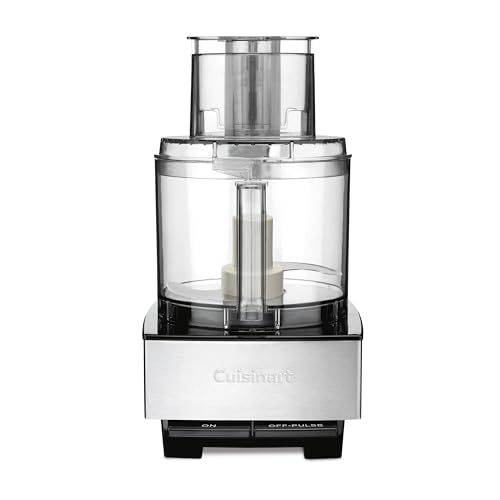
Cuisinart DFP-14BCNY
★★★★★ 4.8
Check price on Amazon
Read the full guide →

Overfilling is the main cause of food processor messes.

  • Always lock the lid until it clicks and use pulse for dry ingredients.
  • Inspect the gasket and bowl regularly for damage.
  • Process in small batches and let hot liquids cool first.
  • Replace the processor if the bowl cracks or the lid won't seal.

Why does my food processor make a mess?

Overfilling is the number one cause of splatter. When the bowl is too full, ingredients ride up the sides and escape through the lid vent. A loose lid seal lets liquid leak out during processing. Dull blades chop unevenly, forcing you to run the machine longer, which creates more spray. Processing hot liquids can build pressure and push the lid open. Finally, a worn gasket or cracked bowl breaks the seal entirely.

How do I fix a messy food processor?

First, check the lid alignment. Rotate it until you hear a distinct click, which means the interlock is engaged. Second, reduce the batch size. Fill the bowl to no more than two-thirds capacity. Third, use the pulse function for dry ingredients. Pulse in one-second bursts instead of running continuously. Fourth, for liquids, pour through the feed tube while the motor runs, not all at once. Fifth, inspect the gasket and bowl for cracks. Replace any damaged parts immediately.

How can I prevent food processor messes?

Always assemble the bowl, lid, and pusher before plugging in. Keep blades sharp by hand washing them and avoiding hard items like ice or bones. Process in smaller batches, especially for wet mixtures. Place a damp towel under the base to catch drips. Clean the lid gasket after every use to maintain its seal. Store the processor with the lid off to let everything dry completely.

When should I replace my food processor instead of fixing it?

Replace it if the bowl is cracked or the lid won't lock securely. A warped base or broken motor also signals the end. If the gasket is worn but the model is old, replacement parts may be hard to find. Compare the cost of a new gasket to a new machine. For heavy daily use, a new processor is often more reliable. For occasional use, a simple gasket swap can extend its life.

Which food processor models are least messy?

Models with a wide feed tube and a locking lid with a gasket reduce splatter. The Cuisinart DFP-14BCNY has a sealed work bowl and a large capacity. The Breville Sous Chef 16 Pro features a chute that minimizes spillage. The KitchenAid KFP0718 has a vented lid that releases pressure without leaking. Owners report these models stay clean during normal use. Check user reviews for specific mess complaints before buying.

Common questions

Why does my food processor leak from the bottom?

A leak at the bottom usually means the bowl isn't seated correctly on the base. Remove the bowl and reattach it until it clicks. A cracked bowl or a worn drive shaft seal can also cause bottom leaks. Inspect the bowl for hairline cracks and the seal for wear. Replace the bowl if damaged.

Can I put hot liquids in a food processor?

No, hot liquids can build pressure and blow the lid off. Let liquids cool to room temperature before processing. If you need to puree hot soup, use an immersion blender instead. This avoids the mess and is safer.

How full should I fill my food processor?

Fill the bowl no more than two-thirds full. For liquids, use less, about half full. Overfilling causes splatter and uneven processing. Smaller batches give better results and less mess.

Is it better to pulse or run continuously?

Pulse for dry ingredients and chopping. Run continuously for purees and dough. Pulsing gives you control and reduces splatter. Continuous running can overprocess and create a mess.

What is the best way to clean a food processor?

Disassemble all parts and rinse immediately after use. Wash the bowl, lid, and pusher in warm soapy water. The blade is sharp, so handle it carefully. Most parts are dishwasher safe, but check the manual. Dry everything before reassembling.

How do I know if the lid is sealed properly?

Listen for a click when you turn the lid. Some models have a lock indicator. If the lid moves or wobbles, it's not sealed. Check the gasket for debris or wear. A proper seal prevents leaks.

Can a dull blade cause messes?

Yes, dull blades tear food instead of cutting it. This creates more liquid and splatter. Sharpen or replace blades regularly. A sharp blade processes faster and cleaner.

What should I do if my food processor still leaks after fixing?

If leaks persist, the gasket or bowl may be damaged. Replace the gasket first. If that doesn't work, the bowl might have a crack. Contact the manufacturer for parts. If the machine is old, consider a replacement.

More in this topic

More in Food Processors

See the full guide →