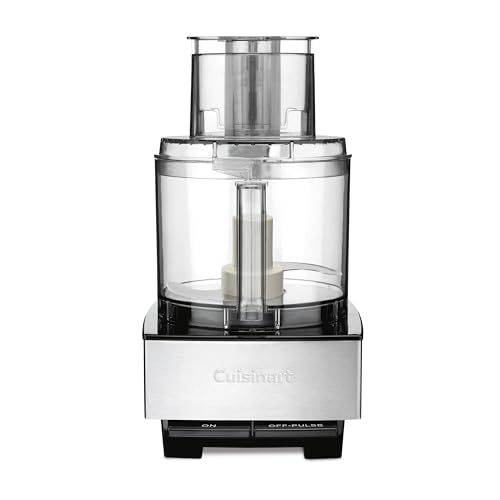
Most noise comes from a loose blade or bowl; tighten them first.
- Lubricate the drive spindle with food-grade grease to quiet squeals.
- Replace worn parts like the drive socket or blade to prevent noise.
- If the motor is failing, it's often safer and cheaper to buy a new processor.
Why is my food processor so loud?
Loud noise usually means something is loose or worn. The blade assembly is the most common culprit. A blade that isn't seated properly will vibrate and rattle. Over time, the drive socket can wear down, creating play. Cracks in the bowl or lid also amplify sound. Even the motor itself can become noisy with age. Check the manual for your specific model's assembly instructions.
How to fix a noisy food processor
Start by unplugging the machine. Remove the bowl and blade assembly. Inspect the blade for dullness or damage. Reinsert the blade and ensure it locks into place. Tighten the bowl onto the base until it clicks. If the noise continues, check the drive socket for wear. You can replace it if needed. Lubricate the drive spindle with food-grade grease. Finally, run it empty to test. If the noise persists, the motor may need professional service.
How to prevent food processor noise
Always assemble the parts correctly before use. Avoid overloading the bowl, as strain causes noise. Use the pulse function for tough ingredients. Clean and dry all parts after each use. Store the blade assembly separately to prevent damage. Periodically check for wear and tear. Replace worn parts promptly. Following these steps keeps your processor quiet.
When to replace your food processor instead of fixing it
If the motor smells burnt or stops working, replacement is safer. Repair costs can exceed half the price of a new unit. Persistent noise after troubleshooting suggests internal damage. A cracked bowl or lid compromises safety. If your model is over 10 years old, new models are quieter and more efficient. Consider upgrading for better performance.
When to call a professional for food processor repair
Call a pro if you notice sparks or smoke. Unusual grinding or screeching sounds indicate motor bearing failure. If the unit trips your circuit breaker, stop using it. A certified technician can diagnose electrical issues. They can replace the motor or switch safely. Check the manufacturer's warranty first. Some repairs are covered for free.