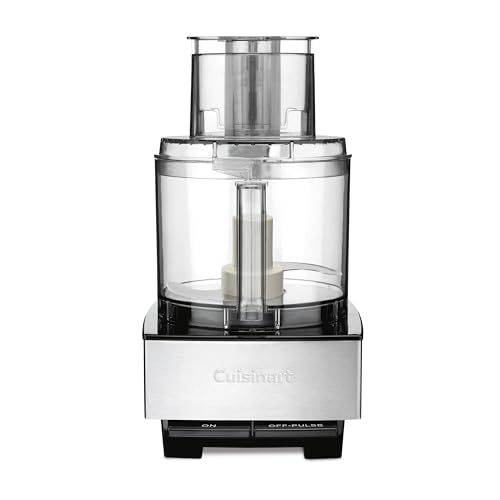
Inspect the bowl gasket and lid seal for wear or misalignment first.
- Replace cracked bowls immediately to avoid safety hazards.
- Prevent leaks by not overfilling and hand washing parts.
- If the base leaks, the drive shaft seal may need professional repair.
Why Does a Food Processor Leak?
Leaks usually come from one of three places: the bowl, the lid, or the base. The most common culprit is a worn or misaligned gasket under the bowl. Another frequent cause is a cracked bowl, often from thermal shock or drops. A loose or improperly locked lid can also allow liquid to escape. Overfilling beyond the max line can force liquid out through the vent. Finally, a damaged drive shaft seal can let liquid seep into the base.
How to Fix a Leaking Food Processor: Step-by-Step
Start by unplugging the unit and disassembling it completely. Inspect the bowl gasket for cracks, tears, or flattening. If damaged, order a replacement gasket from the manufacturer or a parts supplier. Clean the gasket and the groove where it sits, removing any food debris. Reinstall the gasket, ensuring it sits evenly. Check the lid seal for wear and replace if necessary. Lock the bowl onto the base, making sure it clicks into place. Test with water before using it again.
How to Prevent Food Processor Leaks
Always assemble the bowl and lid correctly before adding ingredients. Do not overfill; keep liquids below the max fill line. Avoid pouring hot liquids into a cold bowl, as thermal shock can crack it. Hand wash the bowl and gasket instead of using the dishwasher. Store the unit with the bowl unlocked to prevent gasket compression. Periodically inspect the gasket and seals for wear.
When to Replace the Bowl or the Whole Unit
If the bowl is cracked, replace it immediately; cracks can worsen and cause blade exposure. If the drive shaft seal is leaking and not replaceable, consider a new unit. Compare the cost of a replacement bowl or gasket to the price of a new food processor. If the unit is older than five years, replacement may be more economical. Always check the manufacturer's warranty; some parts are covered.
When to Call a Professional Repair Service
If you are not comfortable disassembling the base, call a pro. Electrical issues, like a short or motor damage, require expert handling. If the leak is from the base and you cannot access the seal, professional service is safer. Search for an authorized repair center for your brand. Weigh the repair cost against a new machine before committing.