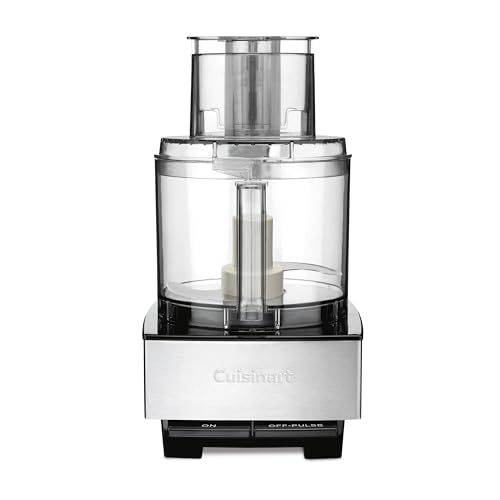
Always unplug before attempting to remove a stuck blade.
- Soak in warm soapy water to loosen dried food.
- Use gentle twisting and rubber tools, never metal.
- Prevent sticking by cleaning promptly and drying fully.
- Replace a damaged or rusted blade immediately.
- If the motor or shaft is damaged, call a professional.
Why does a food processor blade get stuck?
A stuck blade usually comes from food residue drying between the blade and the shaft. Sugary or starchy foods, like dried fruit or dough, harden into a glue-like bond. Over-tightening the blade assembly during cleaning can also wedge it. A worn or warped gasket may cause the blade to seize. Sometimes, a small piece of debris, like a pit or bone fragment, jams the mechanism. Rust from moisture can lock the parts together over time.
How to remove a stuck blade from a food processor
Start by unplugging the processor. Remove the bowl from the base. Fill the bowl with warm water and a few drops of dish soap. Let it soak for 10 to 15 minutes to soften the residue. After soaking, grasp the blade hub with a towel and twist it counterclockwise. If it resists, use a rubber spatula to gently pry between the blade and the shaft. For stubborn cases, apply a small amount of cooking oil around the shaft and let it sit. Then, try twisting again. Avoid using metal tools, which can scratch or bend the blade.
What to do if the blade is still stuck after soaking
If soaking and gentle prying fail, try a heat method. Run hot tap water over the bowl for a minute to expand the metal. Alternatively, place the bowl in a sink of hot water, not boiling, for 5 minutes. Then, attempt to twist the blade again. Another option: use a hairdryer on low heat to warm the shaft area. Once warm, the metal expands slightly, which may break the bond. If the blade remains stuck, check for a hidden locking tab or screw. Some models have a release button or a small screw under the bowl. Consult your user manual for specific instructions.
How to prevent a food processor blade from sticking
Clean the blade and bowl immediately after each use. Soak in hot soapy water for a few minutes before washing. Dry all parts completely before reassembling. Do not over-tighten the blade assembly; hand-tighten is enough. Apply a thin layer of food-safe mineral oil to the shaft occasionally. Store the blade separately from the bowl to avoid pressure. Avoid processing sticky or hard foods without enough liquid. Regularly inspect the gasket and replace it if worn.
When to replace the blade or call a professional
If the blade is bent, cracked, or has rust spots, replace it. A damaged blade can throw off balance and damage the motor. If the blade won't come off even after all methods, the shaft may be stripped. In that case, contact the manufacturer or a repair service. Check if your model has a removable blade assembly that can be replaced. Most food processor blades are replaceable, not repairable. If the motor smells burnt or makes grinding noises, stop using it and call a pro. Never force a stuck blade with pliers, as this can cause injury.