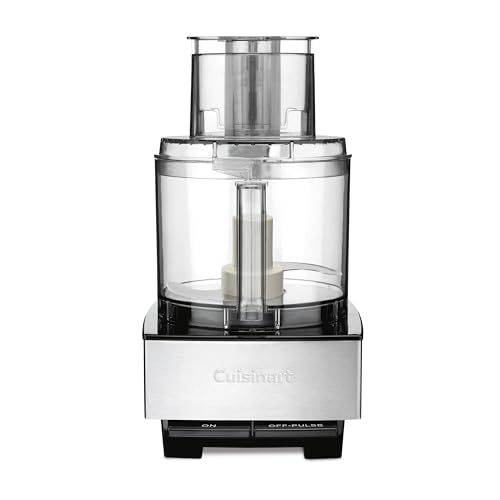
Always unplug and disassemble the food processor before cleaning.
- Hand wash blades to keep them sharp; check if other parts are dishwasher-safe.
- Use baking soda and vinegar to remove stains and odors.
- Clean immediately after use to prevent food from drying on parts.
- Replace the unit if the motor or blade is damaged beyond cleaning.
Why does food get stuck in a food processor?
Food particles lodge in the blade assembly and under the lid. The bowl's ridges trap fibrous ingredients like celery or herbs. Greasy residues cling to the plastic and become sticky. Overfilling the bowl pushes food into the drive shaft area. According to the listing, most models have a removable blade unit for easy access. The motor base should never be immersed in water.
How to clean a food processor step by step
Unplug the machine before cleaning. Remove the lid, bowl, and blade assembly. Rinse each part under warm running water to dislodge loose food. Wash the bowl and lid with mild dish soap and a non-abrasive sponge. Use a bottle brush to clean the central shaft and crevices. For the blade, hold it by the plastic hub and wipe the metal edges carefully. Soak stubborn residue in warm soapy water for 10 minutes. Dry all parts with a clean towel or air-dry on a rack. Wipe the motor base with a damp cloth only.
Can you put food processor parts in the dishwasher?
Many bowls and lids are dishwasher-safe, but blades often are not. The high heat and harsh detergents can dull the blade edge. Check the manufacturer's instructions for your specific model. According to the listing, some brands like Cuisinart mark parts as top-rack safe. If unsure, hand washing is the safer choice. Dishwasher detergent can also cloud plastic over time. Always place small parts in a mesh basket to prevent loss.
How to remove stains and odors from a food processor
Plastic bowls absorb odors from garlic, onion, and spices. Create a paste of baking soda and water to scrub the interior. Rinse thoroughly with warm water. For stubborn stains, use a solution of one part white vinegar to three parts water. Let it sit for 15 minutes before rinsing. Lemon juice also neutralizes strong smells. Dry the bowl completely to prevent mold. Avoid bleach, which can damage plastic.
How to prevent food processor buildup and keep it clean
Clean the processor immediately after each use to prevent drying. Use the pulse function for better control and less splatter. Do not overfill the bowl; leave room for food to move. Add liquid while processing to reduce sticking. Store the processor with the lid off to allow air circulation. Periodically lubricate the drive shaft with food-safe mineral oil if recommended. Replace worn seals or gaskets to prevent leaks.
When should you replace a food processor instead of cleaning it?
If the motor base has electrical issues or a burning smell, replace it. Cracks in the bowl or lid can harbor bacteria and cause leaks. A warped blade that wobbles or chips is unsafe. According to the listing, replacement parts are available for many models. If the machine vibrates excessively or makes grinding noises, it may be beyond repair. Consider a new unit if cleaning no longer removes odors or stains.