Reader-supported: we earn a commission on some links, at no extra cost to you. It never changes our picks. How this works
Food ProcessorsProblem / fix

How to Clean a Food Processor: Step-by-Step Guide

Disassemble the food processor immediately after use. Rinse the bowl, lid, and blade under warm water. Wash them with dish soap and a soft sponge. Dry every part completely before reassembling. Wipe the motor base with a damp cloth. Never submerge the base.

Our top pick
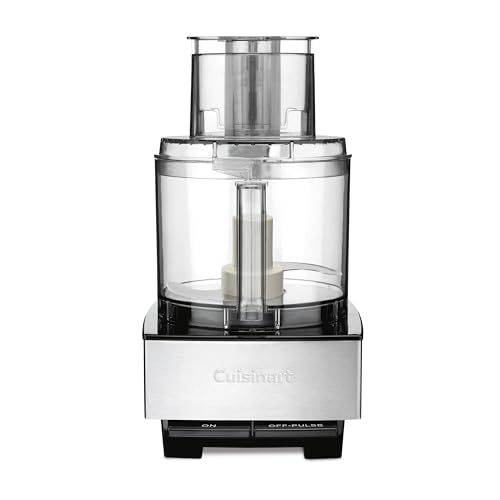
Cuisinart DFP-14BCNY
★★★★★ 4.8
Check price on Amazon
Read the full guide →

Clean every part immediately after use to prevent dried residue.

  • Use warm soapy water and a soft sponge for most parts.
  • Never submerge the motor base; wipe it with a damp cloth.
  • Use vinegar or baking soda for odors and stains.
  • Replace blades or bowls if damaged, and seek professional help for motor issues.

Why does food residue stick to a food processor?

Food residue sticks because blades create friction and heat. This heat can bake proteins and starches onto surfaces. Oils and fats also cling to plastic parts. Dried food is harder to remove than fresh residue. Acidic foods can stain plastic bowls. The narrow gaps around the blade trap particles easily.

How to clean a food processor: step-by-step

Unplug the machine and remove the lid, bowl, and blade. Rinse each part under warm running water right away. Fill the bowl halfway with warm water and a drop of dish soap. Run the processor for 10 to 15 seconds to clean the blade. Empty the soapy water and rinse thoroughly. Wash the lid and bowl with a soft sponge. Use a bottle brush to reach the feed tube and crevices. Dry all parts with a clean towel or air-dry them. Wipe the motor base with a damp cloth and dry it immediately.

How to clean a food processor with vinegar or baking soda

To remove odors, mix one part white vinegar with two parts water. Pour the solution into the bowl and pulse a few times. Let it sit for five minutes, then rinse. For stubborn stains, make a paste of baking soda and water. Apply it to the stained areas with a soft cloth. Gently rub in a circular motion, then rinse. These natural cleaners are safe for plastic and metal parts. Avoid using abrasive scrubbers, which can scratch surfaces.

How to prevent food from sticking and odors

Clean the processor immediately after each use. Soaking parts in warm soapy water loosens dried food. Use a silicone spatula to scrape out leftover food before washing. Store the processor with the lid slightly ajar to allow airflow. This prevents moisture buildup and mildew. For plastic bowls, rub the inside with a little lemon juice to neutralize odors. Always dry parts completely before reassembling.

When should you replace or call a professional?

Replace the blade if it is dull, chipped, or rusted. A damaged blade can affect performance and safety. Replace the bowl if it is cracked or warped. Cracks can harbor bacteria and cause leaks. If the motor base makes unusual noises or overheats, stop using it. Contact the manufacturer or a qualified repair service. Do not attempt to open the motor base yourself. Most food processors last five to ten years with proper care.

Common questions

Can you put a food processor bowl in the dishwasher?

Check the manufacturer's instructions first. Many bowls and lids are top-rack dishwasher safe. Blades are often not dishwasher safe because they can dull. The motor base should never go in the dishwasher. Hand washing is safer for all parts.

How do you get food smell out of a plastic food processor?

Create a solution of equal parts water and white vinegar. Pour it into the bowl and let it sit for 10 minutes. Rinse thoroughly with warm water. You can also rub the inside with a lemon half. Dry completely before storing.

What is the best way to clean the blade of a food processor?

Handle the blade by its plastic hub to avoid cuts. Rinse it under warm water immediately after use. Use a soft sponge or brush with dish soap. Be careful not to touch the sharp edges. Dry it with a towel before storing.

Can you clean a food processor with bleach?

Bleach is not recommended for food processor parts. It can damage plastic and leave harmful residues. Use mild dish soap and warm water instead. For sanitizing, use a vinegar solution or a food-safe sanitizer.

How do you remove stains from a food processor bowl?

Make a paste of baking soda and water. Apply it to the stains and let it sit for 15 minutes. Gently scrub with a soft cloth or sponge. Rinse thoroughly. For tough stains, repeat the process or use a small amount of lemon juice.

Is it safe to clean a food processor in the dishwasher?

It depends on the model. Many manufacturers label parts as dishwasher safe. However, high heat can warp plastic and dull blades. Hand washing is the safest option. Always check the manual before placing parts in the dishwasher.

How often should you clean a food processor?

Clean it after every single use. Food residue can dry and become harder to remove. If you use it daily, a quick rinse and wash is enough. Deep clean once a month with vinegar or baking soda.

Can you put the food processor base in water?

No, never submerge the motor base in water. Water can damage the motor and electrical components. Wipe the base with a damp cloth and dry it immediately. Use a dry cloth for any food particles.

More in this topic

More in Food Processors

See the full guide →