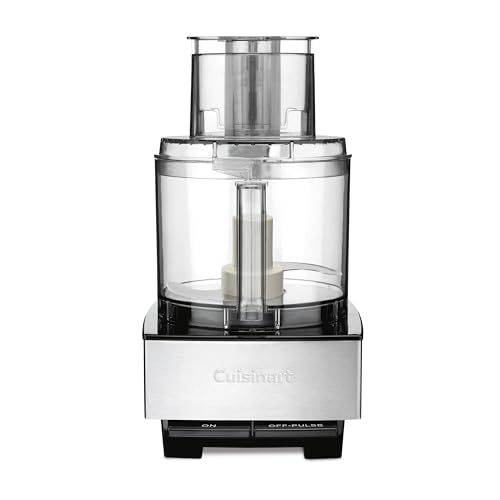
Always use the pulse setting for chopping, not continuous run.
- Cut vegetables into uniform 1-inch pieces and work in small batches.
- Keep the bowl dry and use a sharp blade to avoid crushing.
- Replace dull blades and consider a higher-wattage machine if needed.
Why does a food processor turn vegetables into mush?
Over-processing is the main culprit. The machine runs continuously, so blades keep cutting until the food breaks down into a paste. Another cause is too much liquid in the bowl, which helps the blades puree instead of chop. Dull blades also crush rather than slice, tearing cell walls and releasing water. Soft vegetables like tomatoes or cooked potatoes are naturally prone to mush, even with short pulses. Finally, overfilling the bowl prevents proper circulation, so some pieces get overworked while others stay large.
How to fix mushy vegetables in a food processor
Start by cutting vegetables into even 1-inch pieces, which ensures uniform chopping. Use the pulse button in 1-second bursts, checking after each pulse. Stop as soon as the largest piece is the size you want. Work in small batches, filling the bowl only halfway. If the vegetables release too much liquid, drain the bowl and pat pieces dry before processing. For soft items, chill them in the fridge for 15 minutes first. Use a sharp S-blade and replace it if it has nicks or dull spots.
How to prevent vegetables from turning to mush in the future
Choose the right blade: the standard S-blade works for most chops, but a coarse chopping blade gives larger chunks. Keep the feed tube open to let air circulate, which reduces pressure. Process in short pulses, never letting the motor run continuously. For onions, pulse just 3 to 4 times for a rough chop. For carrots or potatoes, blanch them briefly to soften without making them watery. Clean and dry the bowl completely before each use, as residual water speeds up pureeing.
When should you replace your food processor or call a pro?
If the blade is visibly dull, chipped, or bent, replace it; a new blade often costs less than a new machine. If the motor struggles or stalls on small batches, it may be underpowered, so consider a higher-wattage model. Persistent leaking from the base or a cracked bowl means it's time for a replacement. For electrical issues like burning smells or sparks, stop using it and consult a repair technician. Otherwise, regular blade replacement and proper technique keep your current processor working well.