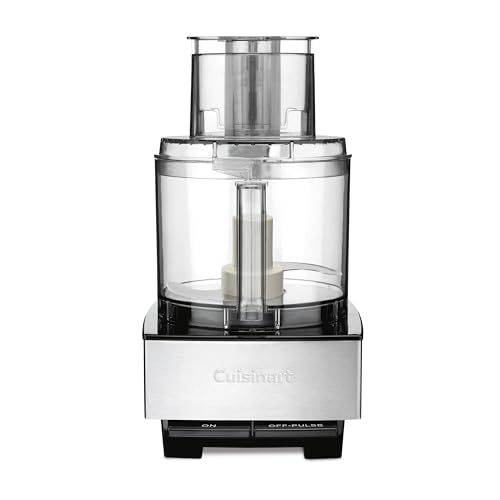
A food processor uses a motor and blades to chop, slice, and puree food quickly.
- Different attachments like discs and dough blades expand its versatility.
- It differs from a blender in bowl shape and intended tasks.
- Safety and capacity limits are important to avoid damage or injury.
What Are the Main Parts of a Food Processor?
Every food processor has a motor base that houses the electric motor. On top sits a work bowl, usually made of clear plastic or glass. Inside the bowl, you'll find a central spindle that connects to the blades or discs. The lid locks onto the bowl and has a feed tube for adding ingredients. Most models include a pusher to safely guide food down the tube. Some also have a smaller feed tube insert for continuous slicing.
How Does the Motor and Blade System Work?
The motor spins the spindle at speeds from 300 to 1000 RPM. You control the speed with a simple on/off switch or a pulse button. The most common blade is the S-blade, which chops, minces, and purees. For slicing or shredding, you swap in a metal or plastic disc. These discs have sharp edges that cut food as it's pressed against them. The bowl's shape creates a vortex that pulls food into the blades for even processing.
What Can You Do With a Food Processor?
You can chop vegetables, nuts, and herbs in seconds. It makes smooth purees for soups, sauces, and baby food. You can knead dough for bread or pizza using the plastic dough blade. Slicing cucumbers or shredding cheese becomes quick with the appropriate disc. Many models also have a whisk attachment for whipping cream or egg whites. The versatility makes it a multi-purpose tool.
How Is a Food Processor Different From a Blender?
A blender has a tall jar with blades at the bottom, designed for liquids. A food processor has a wide, shallow bowl that handles dry and semi-solid foods better. Blenders are ideal for smoothies and soups, while processors excel at chopping and slicing. You can't easily slice vegetables in a blender. Conversely, a food processor struggles with large batches of liquid. Both are useful, but they serve different purposes.
What Are the Limitations and Safety Tips?
Food processors can overheat if you run them too long, especially with heavy dough. They also struggle with very hot liquids, which can cause the bowl to crack. Always lock the lid before starting, and never put your hand inside the bowl. Use the pusher, not your fingers, to guide food. Clean the blades carefully, as they are sharp. Check the manual for maximum capacities and recommended uses.