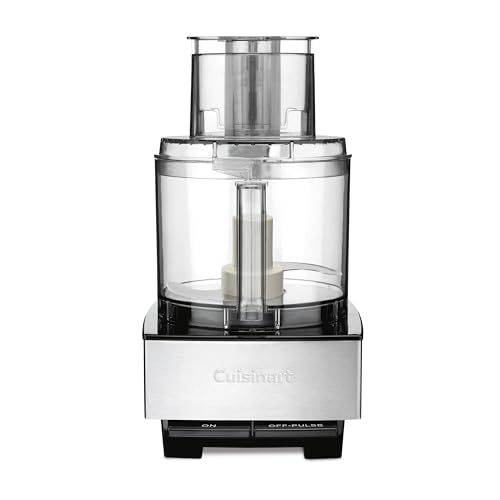
Most food processor problems are caused by simple power issues, safety lock misalignment, or motor overload. Check the outlet, bowl/lid locks, and let the motor cool before assuming a major failure.
Why Your Food Processor Won't Turn On or Spins Slowly
When your food processor refuses to start or struggles to spin, it can be frustrating. Our editorial team compared specifications, buyer feedback and key decision factors to identify the most common culprits. The good news is many issues have simple fixes you can try at home without any tools. Understanding the basics of how your machine works helps you pinpoint the problem quickly. Food processors rely on three main systems: electrical supply, safety interlocks, and the motor itself. A failure in any one can stop the machine cold or make it run poorly.
Power issues are the most frequent cause. A loose plug, tripped circuit breaker, or dead outlet can mimic a serious internal fault. Next, safety interlocks are designed to prevent operation unless the bowl and lid are correctly locked. If the bowl isn't fully seated or the lid isn't turned to the locked position, the machine will not run. Motor overload is another common problem: if you pack too much food or process thick dough, the motor can overheat and trigger a thermal cutoff. Finally, internal component failures like a worn switch, broken wire, or failed capacitor can also cause trouble. Let's walk through each fix step by step.
How to Fix a Food Processor That Won't Turn On: Step-by-Step
Follow these steps in order. Always unplug the food processor before inspecting or cleaning any part. Safety first.
- Check the power source. Make sure the cord is firmly plugged into the outlet. Test the outlet with a lamp or phone charger. If the outlet is dead, check your home's circuit breaker or GFCI. Reset if needed. If the outlet works but the food processor still won't power on, move to step 2.
- Inspect the power cord. Look for cuts, kinks, or frayed wires. If the cord is damaged, do not use the machine. Replacement cords are sometimes available, but often it's safer to replace the unit. If the cord looks fine, proceed.
- Verify the bowl and lid are locked. Remove the bowl and reattach it, making sure it clicks into place. Then place the lid and twist it to the locked position. Many models have a small arrow or lock icon. You should hear a click. If the machine still won't start, the interlock switch may be stuck or broken.
- Test the interlock switches. With the unit unplugged, look for small plastic tabs or buttons inside the bowl well and lid area. Press them manually with a non-metallic object (like a chopstick) while plugging the machine in and trying to start it. If the motor runs, the interlock mechanism is misaligned or the tabs are broken. You may need to adjust or replace the bowl/lid.
- Let the motor cool down. If the machine ran for a while then stopped, the thermal overload may have tripped. Unplug and wait 15-30 minutes. Try again. If it works, you likely overloaded the motor. Avoid processing too much at once next time.
- Check for blade obstruction. Remove the blade and look for food debris stuck underneath or around the shaft. Clean thoroughly. A jammed blade can prevent the motor from turning. Also ensure the blade is properly seated before use.
When to Replace Your Food Processor Instead of Repairing
If you have tried all the steps above and the food processor still won't turn on or spins very slowly, the problem may be internal. Common internal failures include a burned-out motor, a defective start capacitor, or a faulty speed control board. These repairs often cost more than a new budget or mid-range food processor. Consider replacement if your machine is more than 5 years old or if repair costs exceed half the price of a new model. Also, if you notice a burning smell, smoke, or unusual noises, stop using it immediately and replace the unit. Safety is not worth risking.
For slow spinning that isn't caused by overload, the motor bearings may be worn or the capacitor may be weak. These are not user-serviceable parts for most people. Opening the base can expose you to electrical shock and void warranties. If you are handy with electronics, you can test the capacitor with a multimeter and replace it, but for most users, replacement is the smarter choice. Always buy from a reputable brand and check the current price on Amazon for the best value.