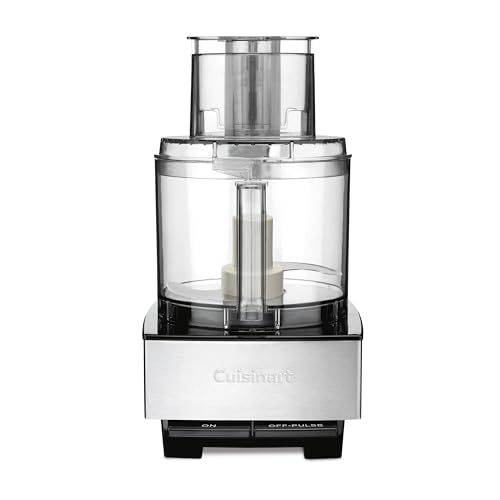
A food processor can knead dough, but not all models are equal. Look for at least 600 watts.
- Use a plastic blade and pulse to avoid over-kneading. Check dough consistency frequently.
- Best for firm doughs like bread, pizza, and pasta. High-hydration doughs may need hand finishing.
How does a food processor knead dough?
A food processor uses a plastic or metal blade to mix and knead dough. The blade spins at high speed, stretching and folding the dough. This develops gluten quickly, often in 30 to 60 seconds. Unlike a stand mixer, it doesn't need a dough hook. You control the texture by pulsing and checking consistency.
What types of dough can you make in a food processor?
You can make bread, pizza, pasta, and pastry dough in a food processor. It excels at short-crust pastry, where you cut cold butter into flour. For yeast doughs, it works well for pizza and flatbreads. But it can overwork delicate doughs like brioche. Owners report best results with firm, low-hydration doughs.
Which food processors are best for kneading dough?
Look for a model with a powerful motor, at least 600 watts, and a sturdy plastic blade. The Cuisinart 14-Cup Food Processor is a popular choice for dough. The Breville Sous Chef 16 has a dedicated dough mode. The KitchenAid 13-Cup also handles dough well. Check the bowl capacity to avoid overloading.
What are the limits of kneading dough in a food processor?
Food processors can overheat the dough if run too long. They can also over-knead, making the dough tough. High-hydration doughs, like ciabatta, are harder to handle. The blade can cut gluten strands if overused. You may need to finish kneading by hand for some recipes.
How do you knead dough in a food processor step by step?
First, add dry ingredients and pulse to mix. Then add liquid slowly while the machine runs. Stop when the dough forms a ball. Let it rest for a minute, then pulse again. Check the dough by pressing it with your finger. It should spring back slowly. If not, knead a bit more.