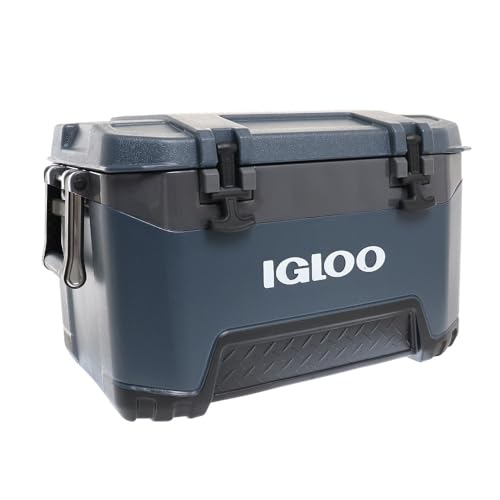
Choosing the right cooler can make or break your outdoor adventure. Whether you are planning a weekend camping trip, a tailgate party, or a day at the beach, the perfect cooler keeps your food cold and your drinks refreshing. But with so many options, how do you decide? Our editorial team compared specifications, buyer feedback, and key decision factors to create this comprehensive buying guide. We will walk you through the essential factors: size, ice retention, insulation type, durability, portability, and price. By the end, you will know exactly which cooler fits your needs.
Size Matters: Quarts and Capacity
The first thing to consider is size, measured in quarts. Coolers range from small 20 quart personal models to massive 150 quart beasts. The right size depends on how many people you need to feed and how long you will be out.
As a general rule, plan for about 1.5 to 2 quarts of cooler capacity per person per day. This accounts for food and drinks. For a day trip for two, a 25 to 30 quart cooler works well. For a weekend camping trip for a family of four, look at 70 to 100 quarts. Remember that you will also need space for ice, which takes up about one-third of the volume.
Think about the physical dimensions too. A large cooler may not fit in your trunk or on your boat. Measure the space where you plan to use it. Also consider the weight when fully loaded; a 100 quart cooler filled with ice and food can easily exceed 100 pounds.
Ice Retention: How Long Does It Last?
Ice retention is the most critical performance metric. It tells you how long the cooler can keep contents below 40°F, which is the safe food storage temperature. Manufacturers often list ice retention in their specs, but real-world results vary.
High-end rotomolded coolers, like those from Yeti, Pelican, or RTIC, can hold ice for 5 to 10 days or more. These coolers feature thick walls and a tight gasket seal. Traditional plastic coolers typically last 2 to 4 days. Soft coolers are usually the worst, often lasting only 1 to 2 days.
To maximize ice retention, pre-chill the cooler before packing. Use block ice or ice packs instead of cubed ice, as they melt slower. Keep the cooler in the shade and open it as little as possible. Also, fill it to capacity; a full cooler stays colder longer than a nearly empty one.
Insulation Type: Rotomolded vs. Traditional
The insulation type is the main factor in ice retention and durability. There are two primary categories: rotomolded and traditional.
Rotomolded coolers are made by rotational molding, which creates a single-piece, seamless shell. The walls are thick, often 2 to 3 inches, and filled with polyurethane foam. This construction provides superior insulation and exceptional durability. Rotomolded coolers are also bear-resistant, which is a plus for camping in bear country. They are heavier and more expensive, but they last for decades.
Traditional coolers are made from injection-molded plastic with thinner walls and less insulation. They are lighter, cheaper, and easier to carry, but they do not hold ice as long. They are fine for day trips and light use. Some traditional coolers have a “hinged” lid that is not as airtight, which reduces ice retention.
There are also hybrid options, like heavy-duty traditional coolers with better gaskets and latches. They offer a middle ground between price and performance.
Durability and Portability
Durability is about how well the cooler withstands rough handling. If you plan to use it on a boat, in the back of a truck, or on rocky trails, you need a rugged cooler. Rotomolded coolers are virtually indestructible; they can survive drops, impacts, and even being used as a seat. Traditional coolers can crack or dent, especially in cold weather.
Portability is the flip side. A large rotomolded cooler is heavy and awkward to move when full. Look for features like sturdy handles, wheels, and drain plugs. Some coolers have telescoping handles and all-terrain wheels, making them easier to transport. Soft coolers are the most portable; they are lightweight and can be carried like a backpack or tote. They are ideal for short trips where you do not need heavy ice retention.
Consider how you will move the cooler. If you have to carry it up stairs or over sand, a smaller size or a wheeled model is better. If you are camping next to your car, weight is less of an issue.
Price and Value
Cooler prices vary widely, from under $50 for a basic traditional cooler to over $500 for a premium rotomolded model. The price reflects insulation quality, durability, and brand reputation. But you do not always need to spend top dollar.
For occasional use, a mid-range traditional cooler from brands like Coleman or Igloo offers good value. They are affordable and work well for day trips. For frequent campers or those who need long ice retention, investing in a rotomolded cooler is worth it. Brands like Yeti, Pelican, and RTIC offer different price points; RTIC is often more budget-friendly than Yeti while offering similar performance.
When evaluating price, consider the cost per use. A $300 cooler that lasts 20 years is cheaper in the long run than a $50 cooler that needs replacing every few years. Also, check the warranty. Many premium coolers come with a 5-year or even lifetime warranty.
Remember to check the current price on Amazon, as prices fluctuate with sales and promotions.
Matching Cooler Type to Use Case
Now that you understand the key factors, here is a step-by-step guide to match a cooler to your specific activity.
- Camping: For car camping, a large rotomolded cooler (70 to 100 quarts) is ideal. It provides long ice retention and durability. If you are backpacking, choose a lightweight soft cooler or a small hard cooler (20 to 30 quarts) that fits in your pack.
- Tailgating: Tailgating requires portability and easy access. A wheeled cooler with a wide opening is perfect. Look for a 50 to 70 quart model with a drain plug for easy cleanup. Rotomolded or heavy-duty traditional both work.
- Beach: For the beach, you want a cooler that is easy to carry over sand. A soft cooler with backpack straps or a small wheeled cooler (30 to 50 quarts) is best. Avoid heavy rotomolded coolers unless you have a cart.
- Boating: On a boat, a cooler must be durable and secure. A rotomolded cooler with non-skid feet and tie-down points is ideal. Size depends on the boat; a 50 to 70 quart cooler fits most boats.
- Picnics and Day Trips: For a simple picnic, a 20 to 30 quart traditional cooler is sufficient. It is light and easy to carry. If you want better ice retention, choose a small rotomolded cooler.
- Fishing: Anglers need a cooler that can double as a fish box. A large rotomolded cooler with a fish ruler on the lid and a leak-proof drain is perfect. Size 70 to 120 quarts depending on your catch.
In summary, the best cooler for you depends on your specific needs. Assess the duration of your trip, the number of people, the environment, and your budget. By focusing on size, ice retention, insulation, durability, portability, and price, you can make an informed choice. Our editorial team has done the research; now you can pick the cooler that will serve you well for years.