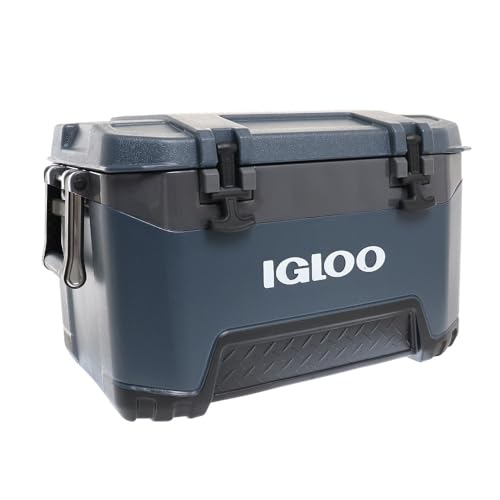
When you pack a cooler for a camping trip, beach day, or tailgate, the big question is always: how long will the ice last? The answer depends on several variables, including the quality of your cooler, the outside temperature, the type of ice you use, and how you pack it. In this guide, we break down the factors that influence ice retention, give average ice life for different cooler types, and share practical tips to keep your drinks cold for as long as possible.
Key Factors That Affect Ice Retention
Ice retention is not a single number. It changes based on the conditions you are in. Here are the four main factors that determine how long ice will survive in your cooler.
Cooler Quality and Insulation
The most important factor is the cooler itself. High-end rotomolded coolers, like those from Yeti, Pelican, or RTIC, have thick walls and superior gaskets. They are designed to keep cold air in and warm air out. In contrast, cheap plastic coolers have thin walls and poor seals, so they lose cold air quickly. A quality cooler can hold ice for days, while a basic one might only last a day or two in the same conditions.
Ambient Temperature and Sun Exposure
If you are in the middle of summer with 95 degree heat, your ice will melt faster than on a mild 70 degree day. Direct sunlight also heats the exterior of the cooler, transferring heat inside. Parking your cooler in the shade or covering it with a reflective blanket can significantly extend ice life.
Type of Ice
Not all ice is created equal. Cubed ice melts quickly because it has a large surface area. Block ice, which is a solid block, melts much slower. Dry ice (frozen carbon dioxide) can last for days but is dangerous to handle and should not be used with beverages you will drink directly. Ice packs, which contain a gel, also last longer than cubed ice.
Packing Techniques
How you pack your cooler matters. A cooler that is half empty has more air space, which warms up quickly. Filling every gap with ice or items keeps the cold air from escaping. Also, pre-chilling the cooler and your drinks before loading them means the ice does not have to work as hard to cool warm items.
Average Ice Life by Cooler Type
To give you a realistic expectation, here are average ice retention times for different categories of coolers, assuming moderate outside temperatures (70 to 80 degrees) and standard cubed ice.
- Basic plastic coolers (under $50): 1 to 2 days. These are fine for a day trip but not for extended camping.
- Mid-range coolers ($50 to $150): 2 to 4 days. They have better insulation but still leak cold air.
- Premium rotomolded coolers (over $150): 5 to 7 days with cubed ice, and up to 10 days with block ice. Brands like Yeti, Pelican, and Orca fall into this category.
- High-performance rotomolded coolers (like the Yeti Tundra or Pelican Elite): Some claim up to 10 days in ideal conditions, but in real-world use, expect 5 to 8 days.
Remember, these are averages. If you are in extreme heat or open the cooler frequently, reduce the estimate by 50 percent.
Tips to Extend Ice Life
You do not need to buy a super expensive cooler to get better ice retention. Follow these packing and usage tips to make your ice last longer.
- Pre-chill the cooler. A few hours before you pack, add a bag of ice to the empty cooler, close the lid, and let it cool the interior. Dump the melted water before adding your drinks.
- Use block ice or ice packs. Block ice melts slower than cubes. You can freeze water in a milk jug or a large Tupperware container. Ice packs are also a good option because they stay cold longer.
- Pack items tightly. Fill any empty space with ice or extra drinks. A full cooler stays cold longer than a partially empty one.
- Separate food and drinks. Drinks are opened often, which lets warm air in. Keep drinks in a separate cooler if possible, or at least use a divider.
- Keep the cooler out of the sun. Place it in the shade or cover it with a reflective tarp. Even a towel can help insulate it.
- Drain cold water, not ice. When ice melts, the water is still cold. Drain it only when it gets too deep, because the water helps keep items cold. But if you drain it, replace it with more ice.
- Limit opening the lid. Every time you open the cooler, cold air escapes. Have a plan for what you need and grab it quickly.
- Use a cooler with a good gasket. If your cooler has a worn seal, replace it or use a rope to keep the lid tight.
By combining these tips with a good cooler, you can double or even triple the life of your ice. For most weekend trips, a quality cooler with proper packing will keep ice for the entire time.