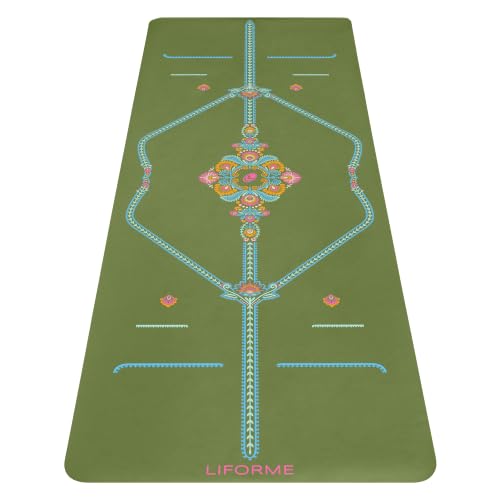
Choosing the right yoga mat thickness can make or break your practice. With options ranging from ultra-thin travel mats to plush 8mm mats, it's easy to feel overwhelmed. Our editorial team compared specifications, buyer feedback and key decision factors to help you understand the real differences between thick and thin mats. Whether you're a seasoned yogi or a curious beginner, this guide will clarify how cushioning, stability, and portability affect your time on the mat.
Understanding Yoga Mat Thickness
Yoga mat thickness is measured in millimeters (mm). The standard range is from 1mm to 8mm, but some specialty mats go even thicker. The thickness directly influences three key factors: cushioning, stability, and portability. Cushioning refers to the padding that protects your joints, especially knees, wrists, and spine. Stability is about how grounded you feel during balance poses. Portability is how easy it is to carry and store the mat.
Thin mats (1-3mm) are often made of natural rubber or PVC and are favored for travel and styles like Ashtanga or Vinyasa where a strong connection to the floor is essential. Thick mats (6mm+) are typically made of TPE or PVC and offer extra comfort for restorative or yin yoga. In between, 4-5mm mats are the most common for general practice, offering a balance of cushioning and stability.
Thick Mats (6mm+): Pros and Cons
Thick mats provide generous cushioning, which is a boon for those with sensitive joints or who practice on hard floors. They are also warmer and more insulating, which can be nice for restorative practices. However, thick mats have downsides. The extra padding can make balance poses feel wobbly because your feet sink into the mat. They are also heavier and bulkier, making them less portable. Some thick mats may also have a 'squishy' feel that reduces tactile feedback from the floor, which some practitioners dislike.
Pros of Thick Mats
- Excellent joint protection for knees, wrists, and hips.
- Comfortable for floor-based poses and meditation.
- Provide insulation from cold floors.
- Ideal for restorative, yin, or gentle yoga.
Cons of Thick Mats
- Reduced stability in standing poses and balances.
- Heavier and harder to carry or roll tightly.
- May cause slipping if not made of high-quality material.
- More difficult to clean due to deeper texture.
If you prioritize comfort over performance, a thick mat might be your choice. Look for one with a non-slip surface to mitigate stability issues. Brands like Manduka and Liforme offer thick mats that balance cushioning with grip.
Thin Mats (1-3mm): Pros and Cons
Thin mats are the go-to for travelers and practitioners who want a direct connection to the floor. They are lightweight, often foldable, and easy to pack. The minimal padding allows for better balance and proprioception, which is crucial for dynamic practices like Ashtanga or power yoga. However, thin mats offer little cushioning, which can be uncomfortable on hard surfaces, especially for knees and wrists. They also provide less insulation and may not be suitable for cold floors.
Pros of Thin Mats
- Excellent for balance and stability.
- Lightweight and portable, ideal for travel.
- Easy to roll and store.
- Often made of natural rubber for eco-friendliness.
Cons of Thin Mats
- Minimal joint protection.
- May be too hard for floor poses.
- Less durable if made of cheap material.
- Can slip on smooth floors if not high-quality.
For those who practice on carpet or have a dedicated yoga space, a thin mat can be a great choice. Brands like Jade Yoga and Manduka offer thin mats that are durable and grippy.
How to Choose the Right Thickness
Selecting the right thickness depends on your practice style, body needs, and lifestyle. Here's a step-by-step guide to help you decide:
- Assess your primary practice. If you do mostly Vinyasa or Ashtanga, a thin mat (3mm) or medium (4mm) will support your flow. For yin or restorative, a thick mat (6mm+) is better.
- Consider your joints. If you have knee or wrist issues, opt for at least 5mm. If you have no issues, a thinner mat may be fine.
- Think about portability. If you travel often, a 1.5mm or 2mm mat that folds or rolls compactly is essential. For home use, weight matters less.
- Check the floor surface. On hardwood or tile, you need more cushioning. On carpet, a thin mat is sufficient.
- Test the feel. If possible, try different thicknesses at a studio or store. Many brands offer samples or return policies.
Remember, the best mat is one that feels right for you. Don't be swayed by trends; focus on your comfort and practice needs.
Frequently Asked Questions
Is a thicker yoga mat better for beginners?
Not necessarily. Beginners often benefit from a mat around 4-5mm, which balances cushioning and stability. Very thick mats (6mm+) can feel unstable in standing poses, while very thin mats may be uncomfortable for knee-sensitive practices. Consider your joint sensitivity and the style of yoga you plan to do.
Can I use a thick mat for hot yoga?
Yes, but with caution. Thick mats tend to retain heat and moisture, which can make them slippery. Look for a mat made of natural rubber or with a moisture-wicking top layer. Some practitioners prefer a thin mat with a towel for hot yoga to maintain grip and stability.
How do I clean a thick yoga mat?
Thick mats often have more surface area and can absorb sweat. Wipe them down after each use with a mild soap and water solution. For deep cleaning, use a gentle brush and air dry completely. Avoid machine washing, as it can damage the mat's structure.
In summary, the choice between thick and thin yoga mats is not about which is 'better' but which suits your individual practice. Thick mats offer comfort and support, while thin mats offer stability and portability. Evaluate your priorities and check the current price on Amazon to find a mat that fits your needs and budget. Happy practicing!