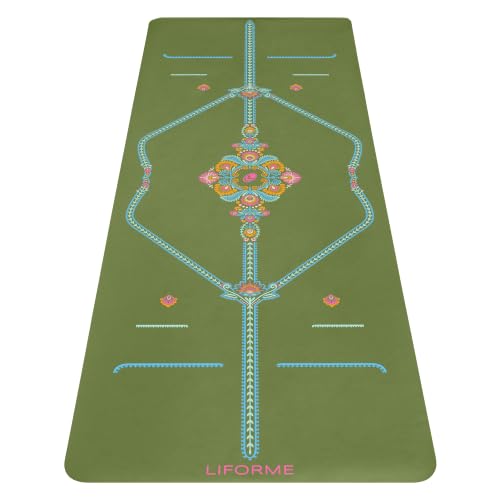
Clean your mat with mild soap, break in new mats with salt water, use a towel for sweat, or upgrade to a rubber or polyurethane mat for lasting grip.
A slippery yoga mat can ruin your practice and even cause injury. Whether you're in downward dog or warrior pose, sliding hands and feet undermine stability. But you don't have to give up on your mat. Most slipperiness has simple causes and even simpler fixes. Our editorial team compared specifications, buyer feedback, and key decision factors to bring you practical solutions that work.
Why Your Yoga Mat Gets Slippery
Understanding why your mat loses grip is the first step to fixing it. Here are the most common culprits:
- Sweat and moisture: When you sweat, a thin film of moisture sits between your skin and the mat. Many mats, especially those made of PVC or TPE, become slick when wet because their surface is non-absorbent. In hot yoga or vigorous vinyasa classes, this can become a major issue within minutes.
- Residue buildup: Over time, oils from your skin, lotions, and dirt accumulate on the mat's surface. This greasy layer reduces friction, making the mat slippery even when dry. If you practice barefoot, dead skin cells also contribute to the film. Regular cleaning is essential to prevent this buildup.
- New mat coating: Many new mats have a factory release agent or a smooth finish that needs to be broken in. Until that coating wears off, the mat can feel slick. This is especially common with PVC mats that have a shiny surface. Patience and a few practices usually solve this, but you can speed up the process with a salt treatment.
- Poor material choice: Some materials simply have less natural grip. Slick PVC mats are notorious for being slippery, especially in hot yoga classes. On the other hand, natural rubber and polyurethane offer inherent stickiness that many yogis prefer. If you're shopping for a mat, consider the material's grip properties before purchasing.
How to Fix a Slippery Yoga Mat
Try these solutions in order, from simplest to most involved. You'll likely find one that works for your situation.
- Clean your mat regularly: Mix a few drops of mild dish soap or a specialized yoga mat cleaner with water. Spray or wipe down the mat, then rinse with a damp cloth. Let it air dry completely before rolling it up. Do this after every few practices to prevent residue buildup. For a deeper clean, you can soak the mat in a bathtub with lukewarm water and a small amount of soap, then rinse thoroughly.
- Salt treatment for new mats: If your mat is new, wipe it with a solution of one cup warm water and one tablespoon salt. Let it sit for five minutes, then rinse and dry. This helps remove the factory coating and opens the pores of the material. Some yogis recommend using coarse sea salt for a more abrasive effect, but table salt works fine. Be sure to rinse well to avoid leaving salt residue.
- Use a yoga towel: For sweat-induced slipperiness, lay a microfiber or cotton yoga towel over your mat. These towels absorb moisture and provide a grippy surface. Some have silicone dots on the underside to stay in place. You can also use a hand towel specifically under your hands and feet if you don't want to cover the entire mat.
- Break in your mat: Sometimes all you need is time. Practice on your mat for a few weeks, and the surface will naturally roughen. You can speed this up by gently scrubbing with a soft brush and water. Avoid using harsh abrasives that might damage the mat.
- Choose a better grip material: If you've tried everything and still slip, consider a mat made from natural rubber or polyurethane. These materials offer superior grip, even when wet. Brands like Liforme, Jade Yoga, and Manduka are known for their non-slip surfaces. When testing a mat, try a few poses and see how it feels under your hands and feet. Remember that some mats require a break-in period even if they are high-quality.
Preventing Slipperiness During Practice
In addition to fixing the mat itself, you can take steps during your practice to minimize slipping:
- Wipe your hands and feet: Keep a small towel nearby to dry off excess sweat before it transfers to the mat. This is especially helpful in hot yoga classes.
- Use grip aids: Yoga chalk or liquid chalk can be applied to your hands and feet to increase friction. Some yogis use a small amount of water to slightly dampen their hands, which can actually improve grip on certain materials like natural rubber.
- Adjust your alignment: Sometimes slipping is due to improper weight distribution. Focus on pressing evenly through your palms and the base of your fingers in poses like downward dog. Engaging your core can also reduce pressure on your hands.
- Practice on a non-slip surface: If you're at home, consider practicing on a carpet or rug that provides extra traction. This can be a temporary solution while you work on fixing your mat.
When to Replace Your Mat
If your mat is old, worn, or peeling, it may be time for a new one. Here are signs that replacement is the best option:
- Visible cracks or tears that affect the surface.
- The mat has become permanently slick, even after deep cleaning.
- You've had it for several years and the material has degraded.
- You practice hot yoga and your mat can't keep up with your sweat.
When shopping for a new mat, look for materials like natural rubber or polyurethane. Check the current price on Amazon for top-rated options. Reading customer reviews can also help you gauge real-world grip performance. Consider the thickness and weight of the mat as well, especially if you travel with it. A mat that is too thick may feel unstable, while a thin mat may not provide enough cushioning for sensitive joints.
Final Thoughts
A slippery mat doesn't have to end your practice. Start with cleaning and salt treatment, add a towel for sweat, and if needed, invest in a mat with better grip. Your stability and confidence will thank you. Remember that every mat has a lifespan, and sometimes the best solution is a fresh start. With the right care and attention, you can enjoy a secure and focused practice for years to come.