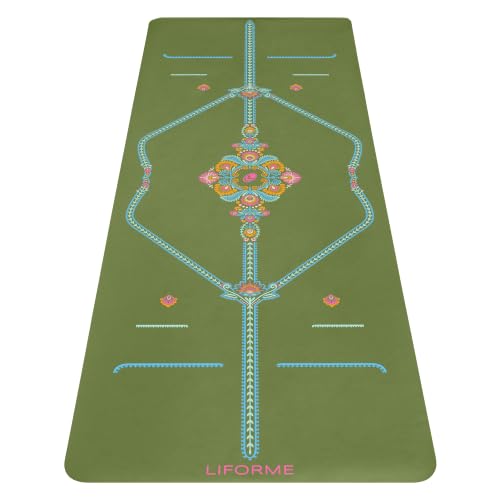
Mix a few drops of mild dish soap with water in a spray bottle, lightly mist your mat, wipe with a soft cloth, and air dry. For deep odors, use baking soda or a commercial mat cleaner.
Why Your Yoga Mat Gets Smelly and Slippery
Yoga mats absorb sweat, body oils, and dead skin cells during every practice. Over time, bacteria and fungi thrive in that warm, moist environment, leading to unpleasant odors and a slippery surface. Even if you don't practice hot yoga, regular sessions leave residue that can break down the mat's material and shorten its lifespan.
Most mats are made from PVC, TPE, or rubber, each with different cleaning needs. Using the wrong cleaner can damage the surface or cause it to become sticky. Our editorial team compared manufacturer guidelines and user feedback to bring you a practical cleaning routine that works for all common materials.
How to Clean Your Yoga Mat Step by Step
1. Gather Your Supplies
- Spray bottle
- Mild dish soap (free of dyes and fragrances)
- Soft microfiber cloth or sponge
- Baking soda (for odor removal)
- White vinegar (optional, for PVC mats only)
2. Create a DIY Cleaning Spray
For a gentle all-purpose cleaner, mix 1 cup of water with 2 to 3 drops of mild dish soap. Shake well in a spray bottle. For PVC mats, you can add 1 teaspoon of white vinegar to help cut through oils, but avoid vinegar on rubber or TPE mats as it can degrade them.
3. Wipe Down After Every Session
After practice, spray the mat lightly with your DIY cleaner and wipe with a soft cloth. This removes surface sweat and prevents buildup. Let it air dry completely before rolling it up. For hot yoga, this step is essential to prevent bacteria growth.
4. Deep Clean Weekly
Once a week, give your mat a deeper clean. Fill a sink or tub with lukewarm water and add a few drops of dish soap. Submerge the mat and gently scrub with a soft sponge. Rinse thoroughly with clean water to remove all soap residue. Hang the mat over a shower rod or lay it flat to dry. Avoid wringing or twisting, as that can warp the mat.
5. Remove Stubborn Odors
If your mat still smells after cleaning, sprinkle baking soda over the surface and let it sit for a few hours. The baking soda absorbs odors. Vacuum or wipe off the powder with a dry cloth. For rubber mats, this method is especially effective.
6. Dry and Store Properly
Always let your mat dry completely before rolling it up. Moisture trapped inside can cause mold and mildew. Store your mat loosely rolled or flat in a cool, dry place away from direct sunlight. Prolonged sun exposure can crack and fade the material.
Cleaning Tips for Specific Mat Materials
PVC Mats
PVC is durable and easy to clean. Use the DIY spray or a commercial mat cleaner. Avoid abrasive scrubbers that can scratch the surface. Vinegar is safe for PVC but use it sparingly to prevent the material from becoming brittle over time.
TPE Mats
TPE is eco-friendly and lightweight but more delicate. Use only mild soap and water. Avoid vinegar, alcohol, and harsh chemicals. TPE mats are often open-cell, meaning they absorb sweat more, so wipe them down after every use to prevent odors.
Rubber Mats
Rubber mats have natural antimicrobial properties but can develop a strong smell, especially when new. Air them out for a few days before first use. Clean with a mild soap solution and avoid soaking, as rubber can absorb water and degrade. Baking soda is your best friend for rubber mat odors.
When to Replace Your Yoga Mat
Even with proper care, yoga mats have a lifespan. If you notice cracks, peeling, or a persistent smell that won't go away, it's time to invest in a new one. Most mats last 6 to 12 months with regular practice. Check the condition of your mat every few months. If the surface becomes too slippery to practice safely, replace it.
Cleaning your yoga mat regularly not only keeps it fresh but also extends its life. A few minutes of care after each session can save you money and keep your practice hygienic. Remember to check the manufacturer's care instructions for specific guidance, and always test any new cleaner on a small area first.