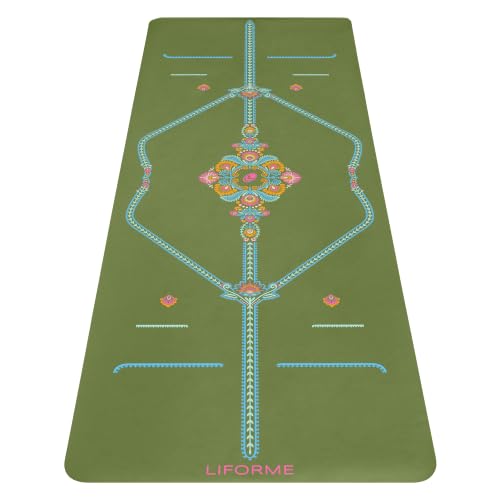
Choosing the right yoga mat can feel overwhelming with so many options on the market. Our editorial team compared specifications, buyer feedback and key decision factors to help you find a mat that supports your practice. The main features to consider are thickness, material, grip, texture, weight, and portability. Each affects comfort, stability, and how you move on the mat. This guide breaks down each factor and offers a simple framework to match your needs.
Thickness and Cushioning
Thickness is measured in millimeters (mm). Standard mats range from 1.5mm to 8mm. Thicker mats (6mm to 8mm) provide more cushioning for joints, especially for kneeling poses or restorative practices. They are ideal for beginners or those with sensitive knees. However, extra thickness can make balance poses feel less stable because your feet sink slightly into the mat.
Thinner mats (3mm to 5mm) offer a firmer surface, which helps with balance and stability. They are popular for vinyasa, Ashtanga, or power yoga where you need a solid base. Ultra-thin mats (1.5mm to 2mm) are often used for travel or as a top layer over studio mats. They provide minimal cushioning but are very portable.
When choosing thickness, consider your primary practice style. If you do mostly gentle or yin yoga, a thicker mat (6mm to 8mm) will protect your joints. For dynamic flows, a 4mm to 5mm mat is a good balance. Test different thicknesses if possible, but remember that personal comfort is key.
Material and Durability
Yoga mats are made from various materials, each with its own feel and environmental impact. The most common are PVC, TPE, natural rubber, jute, and cork.
- PVC: Polyvinyl chloride is durable and offers good grip. It is often the most affordable option. However, it is not biodegradable and may have a strong odor initially. Many PVC mats are also free of phthalates and latex.
- TPE: Thermoplastic elastomer is a more eco-friendly alternative. It is lightweight, recyclable, and provides good cushioning. TPE mats are often used for travel because they are lighter than PVC.
- Natural rubber: Rubber mats offer excellent grip and are biodegradable. They are heavier and have a distinct earthy smell. They are a great choice for hot yoga because they become grippier when wet. However, avoid if you have a latex allergy.
- Jute: Jute mats have a textured, natural surface. They are often combined with rubber for grip. Jute is durable but can be rough on sensitive skin.
- Cork: Cork mats are antimicrobial and become grippier with sweat. They are usually paired with a rubber base. Cork is a sustainable choice but can be heavier and more expensive.
Durability depends on material and how you use the mat. PVC and rubber are the most long-lasting. TPE and jute may wear out faster with frequent practice. Consider your values and budget when selecting a material.
Grip and Texture
Grip is crucial for preventing slips and injuries. It is influenced by both the material and the surface texture. A mat with a dry, sticky feel provides good traction. Some mats are designed to become grippier when wet, which is ideal for hot yoga.
Texture varies from smooth to highly textured. A smooth mat is easy to clean and feels comfortable against the skin. Textured mats, like those with a raised pattern or natural fiber weave, offer extra grip for hands and feet. However, too much texture can be uncomfortable for your palms or knees.
Test the grip by pressing your hands onto the mat. If they slide, the mat may not be suitable for your practice. For hot yoga, look for mats specifically marketed as "hot yoga mats" or those with a moisture-activated grip. For regular practice, a standard sticky mat is often enough.
Weight and Portability
Weight matters if you carry your mat to classes or travel. Standard mats weigh between 2 to 3.5 kg (4.5 to 7.7 lbs). Thicker and rubber mats are heavier. Lighter mats, such as TPE or thin PVC, weigh around 1 to 1.5 kg (2.2 to 3.3 lbs).
Portability also depends on how you carry the mat. Many mats come with a strap or a carry bag. Some fold instead of roll, which makes them easier to pack. Consider whether you need a mat that fits in a suitcase or a backpack.
If you practice at home, weight is less of a concern. If you commute to a studio, a lighter mat with a strap will be more convenient. Travel mats are often thinner and foldable, but they sacrifice cushioning. Balance your need for portability with comfort.
Decision Framework
To choose the right mat, follow these steps:
- Assess your practice: Identify the type of yoga you do most (hot, vinyasa, yin, or restorative). This determines the grip and thickness you need.
- Set a budget: Mats range from budget to premium. Decide how much you are willing to spend, but remember that a good mat is an investment in your practice.
- Consider your body: If you have sensitive joints, choose a thicker mat. If you need stability for balance, go thinner.
- Think about portability: If you travel or commute, prioritize weight and foldability. If you practice at home, you can choose a heavier, more durable mat.
- Test if possible: Visit a store and feel the mats. Press your hands on them to check grip. If you cannot test, read reviews from other practitioners.
- Check care instructions: Some mats require special cleaning or are not machine washable. Consider your willingness to maintain the mat.
Using this framework, you can narrow down your options. For example, a hot yoga practitioner who travels often might choose a lightweight TPE mat with a moisture-activated grip. A beginner with knee pain might prefer a 6mm PVC mat for cushioning.
Frequently Asked Questions
What thickness yoga mat is best for beginners?
For beginners, a mat around 6mm thick provides extra cushioning for knees and joints while still offering enough stability for balance poses. Thicker mats (8mm) are softer but can feel unstable for standing balances.
Is a sticky yoga mat better than a natural rubber one?
Sticky mats (often PVC) offer strong grip and are affordable, but natural rubber mats provide excellent traction and are eco-friendly. Rubber has a different feel and may have a distinct odor initially. Choose based on your grip needs and environmental preferences.
How do I know if a yoga mat is too heavy for travel?
If you plan to carry your mat to classes, look for one under 2.5 kg (about 5.5 lbs). Travel mats can be as light as 1 kg (2.2 lbs) but are often thinner. Consider a carry strap or backpack for heavier mats.
Remember, the best yoga mat is the one that fits your practice and lifestyle. Take your time to compare options and check the current price on Amazon for the models you like.