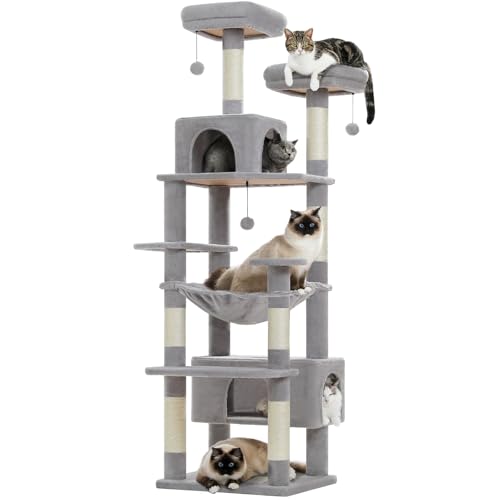
A cat tree is a beloved piece of furniture for your feline friend, but it can quickly become covered in fur, dirt, and the occasional accident. Regular cleaning not only keeps your home fresh but also extends the life of the tree. Our editorial team compared specifications, buyer feedback, and key decision factors to bring you this practical guide. Follow these steps to remove fur, odors, and stains from carpet, sisal, and faux fur surfaces.
Why Cleaning Matters
Cat trees accumulate dander, oils, and loose fur. Over time, these can trap odors and even harbor bacteria. A dirty tree may also deter your cat from using it, leading to scratching on furniture. Regular cleaning protects your investment and keeps your cat healthy. Plus, a clean tree looks better in your living space. Moreover, a well-maintained cat tree reduces the risk of skin irritations or allergies for both you and your cat. Dust mites and allergens can thrive in unkempt fibers, so consistent cleaning contributes to a healthier indoor environment.
Gather Your Supplies
Before you start, collect these items:
- Vacuum with brush attachment
- Rubber brush or damp sponge
- Mild dish soap or pet-safe upholstery cleaner
- White vinegar
- Baking soda
- Soft cloths or microfiber towels
- Spray bottle
- Enzyme cleaner (for urine or stubborn stains)
- Soft-bristled brush (for sisal)
- Lint roller (for quick touch-ups)
Having the right tools on hand makes the process efficient and prevents damage to the materials. For example, a rubber brush is excellent for lifting embedded fur from carpet, while a soft-bristled brush can gently dislodge dirt from sisal without fraying it.
Step-by-Step Cleaning Process
Follow these steps for a thorough clean.
- Remove loose fur. Use a vacuum with a brush attachment to go over all surfaces. For carpeted platforms, a rubber brush works well. Rub in one direction to gather fur, then vacuum it up. Pay special attention to corners and edges where fur tends to accumulate. If the tree has multiple levels, start from the top and work your way down so that dislodged fur falls to lower surfaces that you will clean later.
- Spot clean stains. Mix a few drops of dish soap with warm water. Dip a cloth in the solution and blot stains on carpet or faux fur. Avoid soaking the material. For sisal rope, use a dry brush to remove dirt, then lightly dampen a cloth with soapy water and wipe gently. Blotting is crucial because rubbing can spread the stain and push it deeper into the fibers. For stubborn stains like mud or food, let the soapy solution sit for a few minutes before blotting.
- Neutralize odors. Sprinkle baking soda over the entire tree, especially on carpeted areas and sisal posts. Let it sit for 15 minutes, then vacuum thoroughly. For lingering odors, mix equal parts water and white vinegar in a spray bottle. Lightly mist the tree, but do not saturate. Allow it to air dry completely. The vinegar smell will dissipate as it dries, taking other odors with it. If the tree is in a room with poor ventilation, consider using a fan to speed up the drying process.
- Tackle urine accidents. If your cat has marked the tree, use an enzyme cleaner specifically designed for pet urine. Follow the product instructions. Usually, you spray the affected area, let it sit for 10 to 15 minutes, then blot with a clean cloth. Do not rub, as that can push the stain deeper. Enzyme cleaners break down the uric acid crystals, eliminating the odor at the source. For old, set-in stains, you may need to repeat the process or use a stronger formula.
- Clean faux fur. For detachable faux fur pads, check the label. Many are machine washable on a gentle cycle. Air dry to prevent shrinkage. If not removable, wipe with a damp cloth and brush with a pet hair remover. To refresh the fur and restore its fluffiness, you can also use a fabric softener sheet in the dryer if the label permits, but always air dry to avoid heat damage.
- Dry thoroughly. Ensure the tree is completely dry before letting your cat use it. Moisture can lead to mold or mildew, especially in carpet fibers. If possible, place the tree in a sunny spot or near a fan to speed up drying. Check all crevices and joints for dampness, as water can seep into the structure and cause wood to swell or warp.
Deep Cleaning for Stubborn Dirt
Over time, cat trees can accumulate grime that regular spot cleaning misses. Here are additional steps for a deeper clean.
- Vacuum with a crevice tool. Use the crevice attachment to reach into tight corners, around sisal posts, and along seams where dirt and fur hide.
- Use a pet-safe upholstery cleaner. For carpeted platforms, you can use a foam cleaner. Apply according to the instructions, then gently scrub with a soft brush. Let it dry completely before vacuuming again.
- Steam clean (with caution). If your cat tree has removable fabric covers that are machine washable, you can wash them. For non-removable parts, avoid steam as it can damage materials. Instead, use a damp cloth with a mild cleaner.
- Refresh sisal posts. Sisal can become frayed and discolored. Use a wire brush to remove loose fibers and restore the texture. If the sisal is heavily worn, consider replacing it with new rope.
- Disinfect high-touch areas. Use a pet-safe disinfectant spray on areas your cat frequently touches, like the top perch. Always test on a small, hidden area first to ensure it doesn't discolor the material.
Deep cleaning not only improves appearance but also ensures a hygienic environment for your cat. It is especially important if you have multiple cats or if your cat spends a lot of time on the tree.
Maintenance Tips to Extend Lifespan
Incorporate these habits to keep your cat tree fresh and durable.
- Weekly vacuuming. A quick vacuum removes surface fur and dander before they embed. Use the brush attachment to avoid damaging the fabric.
- Rotate platforms. If your cat has a favorite spot, rotate the platforms periodically to distribute wear evenly. This prevents one side from becoming worn or sagging.
- Trim loose threads. On sisal posts, trim any frayed ends with scissors to prevent unraveling. This also reduces the risk of your cat ingesting loose fibers.
- Use a lint roller. For quick touch-ups between cleanings, a lint roller works well on carpet and faux fur. Keep one near the tree for easy access.
- Place in a well-ventilated area. Avoid damp or humid rooms to reduce odor buildup. Good air circulation helps keep the tree dry and fresh.
- Replace worn parts. If sisal rope becomes frayed or carpet is torn, consider replacing those parts. Many cat trees offer replacement parts, or you can DIY with new sisal rope and carpet. This not only extends the tree's life but also maintains its safety.
- Use a protective spray. Some pet-safe fabric protectors can help repel stains and odors. Test on a small area first.
By following these steps, you can enjoy a clean, fresh cat tree that lasts for years. Regular maintenance not only benefits your cat but also keeps your home looking great. For more tips on cat care, explore our other guides.