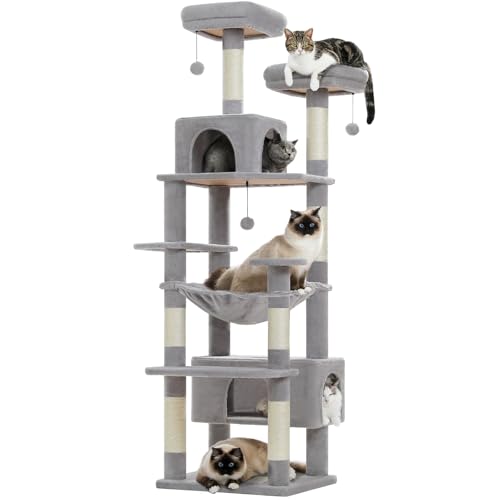
Most cats ignore a new cat tree because it is unfamiliar, poorly placed, or lacks appeal. Start by placing it near a window, sprinkle catnip, and use treats and play to create positive associations.
Why Your Cat Avoids the Cat Tree
You bought a sturdy cat tree, assembled it, and placed it in the living room. But your cat just walks past it, or even hisses at it. This is a common frustration among cat owners. Our editorial team compared specifications, buyer feedback and key decision factors to understand why cats reject cat trees and how to turn that around.
Cats are creatures of habit and caution. A new piece of furniture can be intimidating, especially if it smells like a factory or has an unfamiliar texture. Some cats are also sensitive to placement. If the tree is in a high-traffic area or near a noisy appliance, they may avoid it. Others might simply prefer a different scratching surface or height.
Another factor is the cat's individual personality. Some cats are naturally more adventurous and will investigate new objects immediately, while others are more reserved and need time to adjust. Additionally, if your cat has had a negative experience with a cat tree in the past, such as being startled by a falling tree or a sudden noise while on it, they might associate the tree with fear. Understanding your cat's unique temperament and history can help you tailor your approach.
How to Encourage Your Cat to Use the Cat Tree
Here are proven strategies to help your cat warm up to the tree. Remember, patience is essential. Never force your cat onto the tree, as that can create fear.
- Place the tree strategically. Cats love high perches and a good view. Put the tree near a window where they can watch birds and outdoor activity. Avoid placing it in the middle of a busy room or next to loud machines like a washing machine. If your cat is shy, start with a quiet corner and gradually move it closer to family areas.
- Use catnip strategically. Sprinkle a little catnip on the base, lower platforms, and sisal posts. Catnip can trigger playful behavior and make the tree more appealing. Some cats respond to silver vine or valerian root if catnip doesn't work.
- Offer treats and meals near the tree. Place a few treats on the lowest platform, then gradually higher over several days. You can also feed your cat their regular meals next to the tree so they associate it with positive experiences.
- Incorporate play. Use a wand toy or laser pointer to lure your cat onto the tree. Start by playing on the floor, then move the toy up the posts and onto the platforms. This builds confidence and makes the tree part of fun.
- Introduce gradually. If your cat is very hesitant, let them explore at their own pace. Leave the tree in a familiar spot, and don't force interaction. You can also rub a cloth on your cat's face to transfer their scent onto the tree, making it feel more like theirs.
- Add cozy elements. Cats love soft, warm beds. Place a familiar blanket or a piece of your clothing on the top perch. The familiar scent can make the tree more inviting.
- Encourage scratching. Rub catnip into the sisal posts or hang a toy from a post. You can also gently guide your cat's paws on the post while they're stretching, but never force it.
Understanding Your Cat's Preferences
Every cat is unique, and what works for one may not work for another. Pay attention to your cat's behavior. Does your cat prefer horizontal scratching surfaces like cardboard or carpet? Then a tree with a horizontal scratching pad might be more appealing. Does your cat love to hide? A tree with a cozy cave or enclosed perch could be a hit. Observe where your cat likes to sleep and play, and choose a tree that matches those preferences.
Also consider the material. Some cats are sensitive to certain textures. If the tree is covered in a rough sisal, your cat might avoid it if they prefer soft carpet. Try placing a piece of carpet or a soft mat on the platforms to make them more comfortable. You can also gradually introduce the tree by placing it in a room where your cat already feels safe, like their favorite napping spot.
When to Consider Replacing the Cat Tree
If you've tried these tips for several weeks and your cat still shows no interest, it might be time to evaluate the tree itself. Some cats prefer certain materials or designs. For example, a cat that loves carpeted surfaces might ignore a tree wrapped in sisal. Others might need a taller tree or one with a hideaway cave. Check the current price on Amazon for options that match your cat's preferences.
Also, consider the stability. If the tree wobbles, your cat may feel unsafe. Make sure it's assembled correctly and placed on a flat surface. If the tree is too small for your cat's size, they might not find it comfortable. A large, sturdy tree with multiple levels is often better for active cats.
Sometimes, the issue is simply that your cat is older or less playful. Senior cats may prefer a low, soft perch rather than a tall tree. In that case, a simple cat condo or a window perch might be a better investment.
Final Thoughts
Encouraging your cat to use a cat tree takes time and a bit of creativity. By focusing on placement, positive reinforcement, and gradual introduction, you can turn that unused furniture into your cat's favorite spot. If all else fails, don't hesitate to try a different style of cat tree that better suits your cat's unique personality.