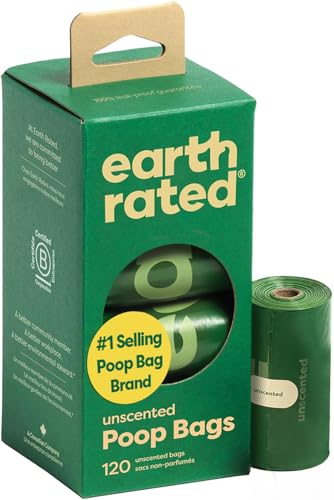
Choosing the right dog poop bags can make a dirty job easier and more sanitary. With so many options on the market, from biodegradable materials to scented and extra-thick designs, it helps to know what to look for. Our editorial team compared specifications, buyer feedback and key decision factors to help you pick the best bags for your dog and lifestyle.
Material Options
Dog poop bags are typically made from one of three materials: traditional plastic (polyethylene), cornstarch-based bioplastics, or recycled plastic. Each has pros and cons.
- Traditional plastic: These are the most common and often the cheapest. They are strong and flexible, but they are not biodegradable and can take hundreds of years to break down in landfills.
- Cornstarch-based bioplastics: Made from renewable resources like corn or sugarcane, these bags are marketed as eco-friendly. They are often compostable in industrial facilities, but not all are home-compostable. They may feel slightly thicker or more textured than plastic.
- Recycled plastic: Some bags use post-consumer recycled plastic. They reduce waste but are not biodegradable. They are a good middle ground if you want to reduce your carbon footprint without switching to bioplastics.
Consider your priorities: if you want to minimize environmental impact, look for bags certified as home-compostable or biodegradable. If you need maximum strength and low cost, traditional plastic may work fine.
Thickness and Durability
Thickness is measured in mils (thousandths of an inch). Standard dog poop bags range from 0.5 to 2.0 mil. Thicker bags are more resistant to punctures and leaks, which is especially important if you have a large dog or if you pick up waste that is not firm.
For small dogs (under 20 pounds), a 1.0 mil bag is usually sufficient. For medium dogs (20 to 50 pounds), consider 1.2 to 1.5 mil. For large dogs (over 50 pounds) or if you often deal with loose stools, choose 1.5 to 2.0 mil. Thicker bags also feel more substantial in your hand and are less likely to tear when tying a knot.
Keep in mind that thicker bags cost more per bag, but they reduce the risk of messy accidents. If you walk your dog daily, the extra cost is often worth it.
Size, Scent, and Handles
Size matters for comfort and waste containment. Most bags are 9 by 13 inches, which fits most dogs. For giant breeds, look for extra-large bags (10 by 16 inches or larger). Always check the dimensions on the package.
Scented bags can help mask odors, but some dogs and owners are sensitive to artificial fragrances. Unscented bags are a safer choice if you have allergies or prefer a neutral option. If you choose scented, look for natural scents like lavender or citrus.
Handle types include flat bags, tie handles, and drawstring closures. Flat bags are simple and fit most dispensers. Tie handles allow you to tie the bag securely without touching the waste. Drawstring bags are convenient but may be more expensive. Consider what feels comfortable in your hand and how you plan to carry the bag until you find a trash can.
Eco-Labels and Certifications
If you want eco-friendly bags, look for certifications that verify their claims. Common labels include:
- Biodegradable Products Institute (BPI) certification: This ensures the bag meets ASTM standards for biodegradability in industrial composting facilities.
- OK Compost HOME: This certification indicates the bag is suitable for home composting.
- USDA BioPreferred: This label shows the product contains a certain percentage of biobased content.
Be cautious of vague terms like "degradable" or "oxo-biodegradable," which may not meet strict standards. Check the packaging for specific certifications and read reviews to see how the bags perform in real-world conditions.
Quick Comparison Table
Here is a quick comparison of common bag types based on material, thickness, and eco-friendliness. Remember to check the current price on Amazon for the exact product you are considering.
| Type | Material | Typical Thickness | Eco-Friendliness |
|---|---|---|---|
| Standard plastic | Polyethylene | 0.5 - 1.0 mil | Low |
| Biodegradable | Cornstarch blend | 1.0 - 1.5 mil | High (if certified) |
| Recycled plastic | Recycled PE | 1.0 - 1.5 mil | Medium |
| Extra-thick | Polyethylene or bioplastic | 1.5 - 2.0 mil | Varies |
This table gives a general idea. Always read the product description for specific details.
Matching Bags to Your Dog
To choose the right bag, consider your dog's size, your walking habits, and your environmental values. Follow these steps:
- Assess your dog's weight and typical stool size. For small dogs, a standard 9x13 inch bag works. For large breeds, opt for extra-large bags.
- Think about how often you walk. Daily walkers may prefer a bulk box of 1000 bags for convenience and cost savings. Occasional walkers can buy smaller packs.
- Decide on thickness based on your dog's waste consistency. If your dog often has soft stools, choose a thicker bag to prevent leaks.
- Choose a scent that you and your dog can tolerate. Unscented is safest for sensitive noses.
- Select a handle type that feels comfortable. Tie handles are popular for easy tying, but flat bags are more compact for dispensers.
- If eco-friendliness is important, look for bags with BPI or OK Compost HOME certification and check if they are compatible with your local composting options.
By following these steps, you can find a bag that fits your needs and budget.
Frequently Asked Questions
Are biodegradable dog poop bags worth it?
Biodegradable bags can break down faster than traditional plastic, but only in commercial composting facilities. If you compost at home, check if the bag is certified for home composting. Otherwise, they still end up in landfills, though many are made from plant-based materials that reduce reliance on fossil fuels.
What thickness (mil) should I choose?
For most small to medium dogs, a thickness of 1.0 to 1.5 mil is sufficient. For large dogs or if you often pick up wet or messy waste, choose 1.5 to 2.0 mil for extra tear resistance. Thicker bags cost more but reduce the chance of leaks.
Can I use any bag for dog poop?
You can use any plastic bag, but dedicated dog poop bags are designed with leak-proof seams and odor control. They are also sized appropriately for dog waste. Using grocery bags may work in a pinch, but they are thinner and more likely to tear.