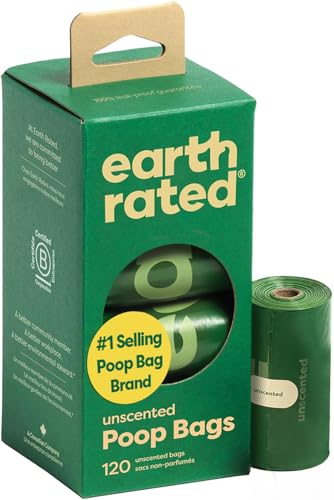
Choose 2-ply or high-mil bags, use a bag holder, and pick up with a gentle scooping motion to prevent tears.
Why Poop Bags Tear: The Common Culprits
There is nothing worse than reaching down to pick up after your dog, only to feel the bag give way and your hand meet something warm and wet. Torn poop bags are a universal frustration for dog owners. But why does it happen so often?
Most poop bags on the market are made from thin polyethylene, often just 0.8 to 1.0 mil thick. That is barely thicker than a dry cleaning bag. When you stretch the bag over your hand to pick up waste, the plastic thins even more at the stress points. Add a sharp piece of debris, a stick, or a rock, and you have a recipe for disaster.
Another common cause is overfilling. When you try to pick up a large pile with a small bag, the weight stretches the plastic beyond its limit. The seams, which are often heat-sealed and weaker than the film itself, are the first to fail. Even the way you tie the bag can create a weak point. A tight knot puts stress on the neck of the bag, and if the bag is already stretched, that is where it will rip.
Finally, the environment plays a role. Heat and sunlight degrade plastic over time. If you leave a roll of bags in your car during summer, the plastic becomes brittle and more prone to tearing. Cold weather can also make plastic stiff and less flexible, increasing the chance of a tear.
How to Fix Tearing Poop Bags: Practical Solutions
You do not have to live with the fear of a leak. Here are actionable steps to stop tears before they happen.
- Upgrade to thicker bags. Look for bags that are at least 1.5 mil thick, but ideally 2 mil or higher. Many brands now offer 2-ply bags, which are two layers bonded together for extra strength. High-mil bags are also available, often marketed as heavy-duty or extra-thick. They cost a bit more, but the peace of mind is worth it.
- Use a bag holder. A bag holder is a small plastic or silicone device that clips to your leash or belt. It holds the bag open with one hand, so you do not have to stretch the bag over your hand. This reduces the stress on the plastic and gives you better control. Many holders also have a built-in dispenser, so you always have a bag ready.
- Pick up with a scooping motion. Instead of grabbing the waste from the top, slide the bag under the pile and scoop it up. This distributes the weight more evenly and reduces the chance of a sharp object poking through. If the waste is very loose or watery, use a scooper or a piece of cardboard to guide it into the bag.
- Do not overfill. If the pile is large, use two bags or pick up in sections. A bag that is stretched to its limit is more likely to tear. It is better to use two bags than to risk a mess.
- Double-bag when necessary. If you are using a thinner bag and the waste is particularly messy, double-bag it. Put one bag inside another before you pick up. This adds a layer of protection and gives you a backup if the inner bag tears.
- Avoid sharp objects. Before you pick up, scan the area for sticks, rocks, or other debris that could puncture the bag. If you see something sharp, move it aside with your foot or use a different spot.
- Store bags properly. Keep your bag roll in a cool, dry place. Do not leave it in direct sunlight or in a hot car. Heat and UV rays weaken the plastic and make it more likely to tear.
When to Replace Your Poop Bags
Even the best bags have a lifespan. If you notice any of the following signs, it is time to replace your current bag supply.
- Visible thinning. Hold the bag up to the light. If you see thin spots or pinholes, the bag is compromised.
- Stiffness or brittleness. If the bag feels stiff or crinkly, it may have degraded from heat or age. A fresh bag should be flexible and smooth.
- Seam separation. Check the bottom seam. If it looks like it is pulling apart or has gaps, the bag will likely leak.
- Frequent tears. If you are experiencing tears more than once a month, your current brand or type is not working for you. Switch to a thicker option.
Also, consider the age of the bag. Most poop bags are not marked with an expiration date, but as a rule of thumb, do not use a roll that has been sitting in your car for more than a year. If you buy in bulk, rotate your stock so you are always using fresh bags.
Alternative Products That Reduce Strain
Beyond thicker bags, there are tools that make the whole process easier and less likely to end in a tear.
- Poop bag holders. As mentioned, these keep the bag open and reduce the need to stretch it. Look for holders that are easy to clip and unclip, and that fit standard bag rolls.
- Poop scoops. A scoop with a long handle lets you pick up waste without bending over. You can then transfer it to a bag. This is especially useful for loose stools or when you are dealing with a large pile.
- Biodegradable bags with reinforced seams. Some eco-friendly brands use a thicker film and stronger seams. They may cost a bit more, but they offer both durability and environmental benefits.
- Bag dispensers with a cutter. Some dispensers have a built-in cutter that cleanly separates bags from the roll, preventing the jagged tears that can weaken the next bag.
When choosing any of these products, read reviews from other dog owners. Look for feedback on durability and ease of use. Our editorial team compared specifications and buyer feedback to identify the most reliable options, but your experience may vary.
Final Thoughts on Leak-Proof Poop Bag Solutions
Torn poop bags are avoidable. By investing in thicker bags, using a holder, and adjusting your picking-up technique, you can eliminate most tears. Remember to store bags properly and replace them when they show signs of wear. With these strategies, you can enjoy your walks without the dread of a messy accident.
If you are ready to upgrade, check the current price on Amazon for high-mil or 2-ply bags. A small investment in quality will save you from many unpleasant surprises.
