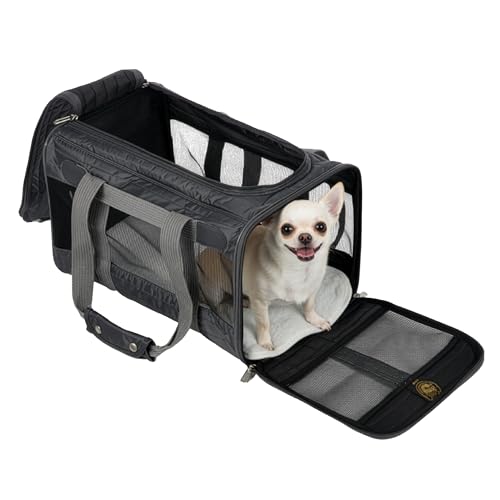
Reduce cat carrier anxiety by leaving the carrier out daily, using treats and pheromones, and practicing gentle handling. Desensitization over several days or weeks is the most effective method.
Why It Happens: Understanding Cat Carrier Anxiety
Many cat owners face the struggle of getting a scared cat into a carrier. The cat may hiss, hide, or even become aggressive when the carrier appears. This reaction is rooted in instinct. Cats are creatures of habit and feel vulnerable when confined. Carriers often signal unpleasant experiences like vet visits, car rides, or being left in a strange environment. The sight, smell, and sound of the carrier can trigger a stress response. Our editorial team compared buyer feedback and veterinary advice to identify the most effective ways to break this cycle. The key is to change the cat's association with the carrier from negative to positive. This requires patience, consistency, and the right techniques.
How to Fix: Step-by-Step Stress-Free Techniques
Follow these numbered steps to help your cat feel calm and willing to enter the carrier. Each step builds on the previous one. Move at your cat's pace. If your cat shows signs of stress, go back to an earlier step.
- Desensitization: Leave the carrier out. Place the carrier in a room where your cat spends time. Leave the door open or remove the top if possible. Put a soft blanket or bed inside. Let your cat explore it on their own. Do not force them. This can take days or weeks. The goal is to make the carrier a normal part of the environment.
- Positive association: Treats and play. Start by tossing treats near the carrier. Then place treats just inside the door. Gradually move treats deeper inside. You can also use a favorite toy or catnip. Encourage your cat to go in and out freely. Praise them calmly. Never close the door during this phase.
- Meal time in the carrier. Once your cat is comfortable going inside, try feeding their meals near or inside the carrier. Start with the bowl just outside, then move it inside. This builds a strong positive link. Use high-value wet food or treats.
- Introduce pheromones. Use a synthetic feline pheromone spray like Feliway. Spray inside the carrier 15 minutes before each session. The pheromones mimic natural calming signals. This can reduce anxiety and make the carrier more inviting.
- Gentle handling: The towel technique. If your cat still resists, use a towel to gently wrap them. Place the towel in the carrier first. Then lift your cat with the towel and lower them into the carrier. Avoid chasing or grabbing. Stay calm and speak softly. This method works best when your cat is already somewhat relaxed.
- Practice short trips. Once your cat is comfortable inside, close the door for a few seconds. Then open it and give a treat. Gradually increase the time. Next, carry the carrier around the house. Then take short car rides around the block. Always reward after each session.
When to Replace Your Carrier or Try Alternatives
If your cat continues to show extreme fear despite consistent training, consider the carrier itself. Some carriers are more intimidating than others. Hard-sided carriers with small doors can feel like traps. Soft-sided carriers with mesh windows may feel less confining. Top-loading carriers allow you to place your cat in from above, which can be less stressful. Check the current price on Amazon for top-loading models. Also, ensure the carrier is large enough for your cat to stand and turn around. A cramped carrier adds to anxiety. If your cat has had a traumatic experience with a particular carrier, replacing it with a new one can help start fresh. Clean the new carrier with an enzymatic cleaner to remove any old stress odors. Pair the new carrier with all the desensitization steps above.
Additional Tips for Reducing Stress on Vet Day
On the day of the vet visit, keep your routine as normal as possible. Avoid sudden changes. Use the same carrier and bedding. Bring treats and a familiar toy. Cover the carrier with a towel to block visual stimuli during travel. Play calming music in the car. Keep the car temperature comfortable. Speak in a soothing voice. After the visit, reward your cat with a special treat and playtime. This helps end the experience on a positive note. Over time, these techniques can transform the carrier from a source of fear into a safe space. Remember, every cat is different. Patience and consistency are your best tools. For more guidance, consult your veterinarian or a certified feline behaviorist.
Common Mistakes to Avoid
Many owners inadvertently reinforce fear by rushing or using punishment. Never scold or chase your cat when trying to get them into the carrier. This only increases anxiety. Avoid leaving the carrier out only before stressful events; instead, keep it accessible daily. Another mistake is using a carrier that is too small or has a strong odor. Wash the carrier with mild soap and water, and let it air out. Finally, do not skip the desensitization steps even if you are in a hurry. Taking a few extra days can prevent a traumatic experience that sets back progress for months.