Our editorial team compared specifications, buyer feedback and key decision factors to bring you this guide on carrier training for pets. Many pets associate carriers with stressful vet visits or travel. With patience and positive techniques, you can help your cat or dog see their carrier as a safe, cozy den. This step-by-step guide uses desensitization and reward methods to reduce anxiety and build happy associations. Whether you have a nervous kitten or an anxious adult dog, these methods are designed to work at your pet's pace.
Why Carrier Training Matters
Carrier training is essential for reducing stress during vet visits, travel, or emergencies. A pet that willingly enters their carrier experiences less fear and fewer negative behaviors like hiding or aggression. Training also makes your life easier and strengthens your bond. By taking time to train, you set your pet up for a lifetime of calm travel experiences. For example, a well-trained cat will walk into the carrier on its own before a vet appointment, saving you from chasing and stress. Similarly, a dog that is comfortable in a carrier can accompany you on flights or road trips without anxiety.
Step 1: Choose the Right Carrier
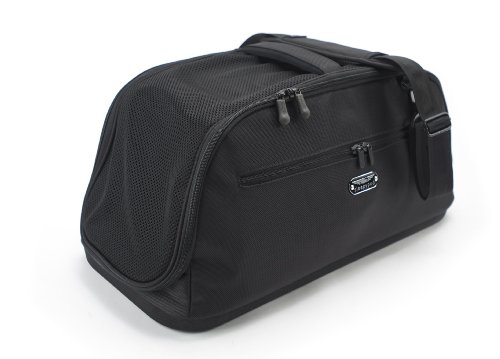
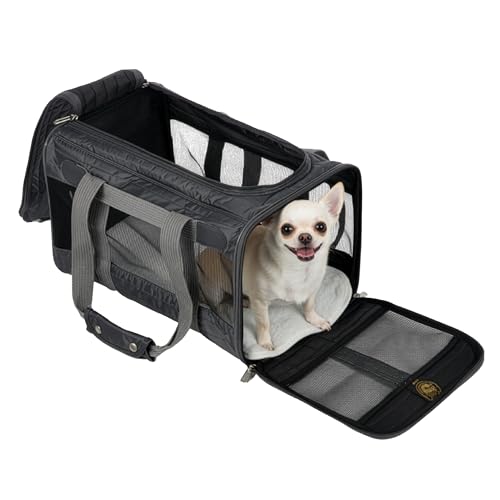
Selecting a carrier that is comfortable and appropriate for your pet is the first step. For cats, a hard-sided carrier with a removable top allows easy access and can double as a hiding spot. For dogs, choose a soft-sided carrier with good ventilation and a secure bottom. Ensure the carrier is large enough for your pet to stand, turn around, and lie down. A carrier that feels cramped or unstable will increase stress. Measure your pet's length from nose to tail and height from floor to top of head while sitting. Add a few inches for comfort. Look for carriers with mesh panels for airflow and a shoulder strap for easy carrying. For airline travel, check specific size requirements. Top-rated carriers often feature a cozy interior, secure zippers, and a machine-washable pad. Check the current price on Amazon for models that meet your pet's size and needs.
Step 2: Introduce the Carrier Gradually
Place the carrier in a familiar area of your home with the door open. Add a soft blanket or towel that smells like your pet. Let them explore at their own pace. For cats, placing the carrier in a sunny spot or near a window can make it more inviting. For dogs, you can toss a toy inside. Do not close the door at this stage. Allow your pet to enter and exit freely for several days. You can also place a favorite bed or a piece of your clothing inside to add comfort. If your pet is hesitant, try feeding their meals near the carrier, gradually moving the bowl inside over a week. The goal is to make the carrier a normal, non-threatening part of the environment.
Step 3: Use Positive Reinforcement
Associate the carrier with good things. Every time your pet goes near or inside the carrier, reward them with a treat, praise, or a favorite toy. For cats, use small soft treats or catnip. For dogs, use high-value treats like small pieces of chicken or cheese. You can also feed meals near or inside the carrier. The goal is to create a positive emotional response. For cats, you might sprinkle catnip inside the carrier to encourage exploration. For dogs, you can hide a Kong toy filled with peanut butter inside. Be consistent and reward every voluntary approach. Over time, your pet will start to see the carrier as a source of good things.
Step 4: Practice Short Sessions
Once your pet is comfortable entering the carrier, start closing the door for very short periods. Begin with just a few seconds, then gradually increase to a minute, then five minutes. Stay nearby and talk calmly. Reward calm behavior with treats through the door. If your pet shows signs of stress like whining, panting, or scratching, go back to an earlier step. Practice these sessions multiple times a day. For cats, you can also cover the carrier with a light blanket to create a den-like feel. For dogs, practice having them sit in the carrier while you watch TV or read. The key is to build duration slowly so your pet learns that being inside is safe and rewarding.
Step 5: Simulate Travel Conditions
After your pet is comfortable with the door closed, add gentle movement. Lift the carrier and set it down immediately, then reward. Gradually increase the duration of lifting and walking short distances. For dogs, you can place the carrier in the car without starting the engine. For cats, practice short car rides around the block. Always end on a positive note with treats and praise. You can also simulate car sounds by playing a recording of engine noise at low volume while your pet is in the carrier. Gradually increase volume over days. For dogs, practice short trips to a fun location like a park, not just the vet. This helps build positive associations with travel.
Common Mistakes to Avoid
- Rushing the process: Moving too fast can cause setbacks. Let your pet set the pace.
- Using the carrier only for vet visits: If the carrier only appears before unpleasant events, your pet will associate it with fear. Leave it out regularly.
- Forcing your pet inside: Never push or shove your pet into the carrier. This creates trauma and makes training harder.
- Skipping desensitization: Gradually introducing sights, sounds, and movements is crucial for long-term success.
- Ignoring signs of stress: Yawning, lip licking, or tucked tail indicate discomfort. Stop and go back a step.
Tips for Multi-Pet Households
If you have multiple pets, train each one separately to avoid competition or distraction. Use separate carriers for each pet to prevent territorial issues. When training, keep other pets in another room. Once each pet is comfortable, you can practice having them in carriers near each other. Reward calm behavior in both. For cats and dogs living together, ensure each carrier is in a safe space where the other pet cannot bother them. With patience, all your pets can learn to love their carriers.
With consistent practice and a calm approach, your pet can learn to love their carrier. Remember to be patient and celebrate small victories. For more tips on choosing the right carrier, check the current price on Amazon for models that suit your pet's size and temperament.