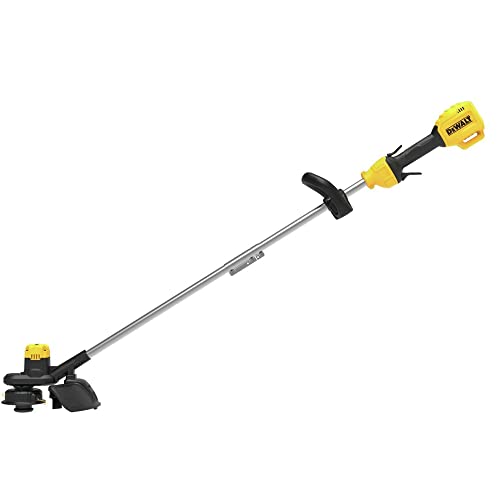
Most starting problems come from stale fuel, a dirty carburetor, or a bad spark plug. Check those first before anything else.
A string trimmer that won't start can ruin your day. But before you haul it to a repair shop, know that most issues are simple to fix at home. Our editorial team compared specifications, buyer feedback, and key decision factors to bring you this practical troubleshooting guide. Whether you use a gas or electric model, you'll find step-by-step solutions to get back to trimming.
Why Your String Trimmer Won't Start
Understanding the root cause is half the battle. For gas trimmers, the engine needs three things to run: fuel, spark, and air. If any of these are missing or compromised, the engine won't fire. For electric trimmers, the issue is usually power-related, either from the battery or the motor itself.
Here are the most common culprits:
- Fuel problems: stale gasoline, clogged fuel filter, or a blocked fuel line.
- Spark plug issues: fouled or worn plug, incorrect gap, or a loose connection.
- Air filter blockage: a dirty filter restricts airflow, causing a rich fuel mixture.
- Carburetor faults: gummed up from old fuel, or a stuck needle valve.
- Battery issues (electric models): depleted charge, faulty charger, or a dead battery.
How to Fix a Gas String Trimmer That Won't Start
Follow these steps in order. Most fixes are simple and require only basic tools like a socket wrench, screwdriver, and maybe a new spark plug.
- Check the fuel. If the gas is more than 30 days old, drain it and replace with fresh fuel mixed with the correct oil ratio (usually 50:1). Also inspect the fuel lines for cracks or kinks. If the fuel filter looks black or clogged, replace it.
- Inspect the spark plug. Remove the plug wire, then unscrew the plug with a socket. Look at the electrode: if it's black, oily, or heavily worn, replace it. Set the gap to the manufacturer's spec (check the manual, typically 0.025 to 0.030 inches). Reinstall and hand-tighten, then snug with a wrench.
- Clean or replace the air filter. Remove the air filter cover and take out the filter. If it's paper, tap it to remove dirt; if it's foam, wash it in warm soapy water, rinse, and let dry. If it's torn or extremely dirty, replace it with a new one.
- Address the carburetor. If fuel and spark are fine, the carburetor may be clogged. Use a carburetor cleaner spray to clean the exterior and the small ports. If that doesn't work, you may need to rebuild the carburetor with a kit, or replace it entirely. This is more involved, but many trimmers have affordable carburetors online.
- Check the primer bulb. If the primer bulb doesn't fill with fuel, the fuel line might be blocked or the bulb itself is cracked. Replace the bulb if needed.
- Verify the kill switch. A faulty kill switch can prevent starting. Test it by disconnecting the wire from the switch and trying to start. If it starts, replace the switch.
Battery Checks for Electric String Trimmers
Electric trimmers, whether cordless or corded, have their own set of issues. For battery-powered models, start with these checks:
- Charge the battery. Plug the battery into the charger and wait for the indicator light. If it doesn't charge, the battery may be dead or the charger faulty. Try a different battery if you have one.
- Clean the contacts. Dirt or corrosion on the battery terminals or the trimmer's contacts can interrupt power. Wipe them with a dry cloth or a bit of rubbing alcohol.
- Check the trigger switch. If the switch is stuck or broken, the motor won't engage. Sometimes debris gets lodged under the trigger. Clean it out and test.
- Inspect the motor. If the motor smells burnt or makes a grinding noise, it may be shot. This usually requires a replacement motor or a new trimmer, depending on the cost.
When to Replace Parts vs. the Whole Trimmer
Sometimes a fix is more expensive than a new unit. Consider the age and cost of your trimmer. If it's a budget model and the carburetor needs replacing, that might cost as much as a new trimmer. On the other hand, if it's a high-end model, replacing the carburetor is worth it.
Here's a quick guide:
- Spark plug: always replace, it's cheap.
- Air filter: replace if it's torn or very dirty.
- Fuel lines: replace if cracked or brittle.
- Carburetor: consider replacement if the trimmer is over 5 years old and the cost is near half the price of a new unit.
- Battery: if it's over 2 years old and doesn't hold a charge, replace it. If the trimmer is old, a new battery might not be worth it.
Preventive Maintenance Tips
To avoid future starting issues, follow these simple habits:
- Use fresh fuel and add a fuel stabilizer if you store it for more than a month.
- Run the trimmer dry before long-term storage.
- Clean the air filter after every few uses.
- Inspect the spark plug annually and replace if needed.
- Store the trimmer in a dry place to prevent corrosion.
Frequently Asked Questions
Why does my string trimmer start then die?
This usually points to a fuel delivery issue. A clogged carburetor, dirty air filter, or a faulty fuel line can starve the engine of fuel. Start by cleaning or replacing the air filter, then check the fuel lines for cracks or blockages. If the problem persists, the carburetor may need a rebuild kit.
How do I know if my trimmer spark plug is bad?
Remove the spark plug and inspect the electrode. If it's black, oily, or heavily worn, it's likely faulty. Also check the gap with a feeler gauge; it should match the manufacturer's spec (usually 0.025 to 0.030 inches). Replace the plug if it's damaged or if the gap is incorrect.
Can a bad fuel filter cause starting problems?
Yes, a clogged fuel filter restricts fuel flow to the carburetor, making it hard to start. Most trimmers have a small inline filter or a felt filter inside the fuel tank. Inspect it and replace if it looks dirty or blocked. This is a cheap and easy fix.